Intro: Pick the system before you pick the panel
For cabins—whether remote and off-grid, seasonal and primitive, or grid-connected with outage needs—the right solar choice starts with the intended system, not a brand name. Solar panels (photovoltaic or PV modules) are only one part of a functioning system. How you plan for loads, storage, location, and durability will determine the right panel type and the balance-of-system equipment you need.
Quick picks by cabin type
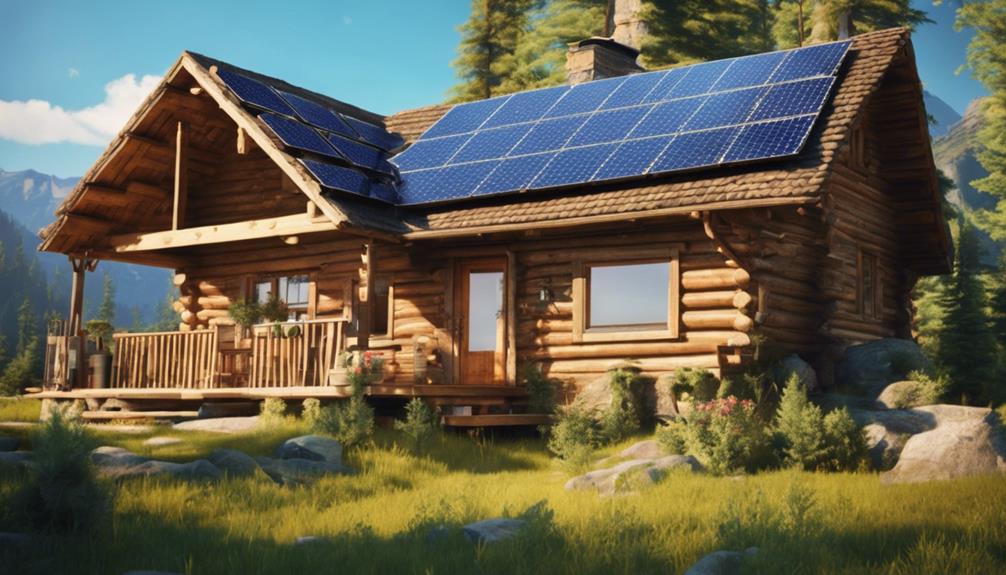
- Permanent off-grid cabin: Fixed monocrystalline modules on a roof or ground rack as part of a solar-plus-storage system sized for worst-season needs.
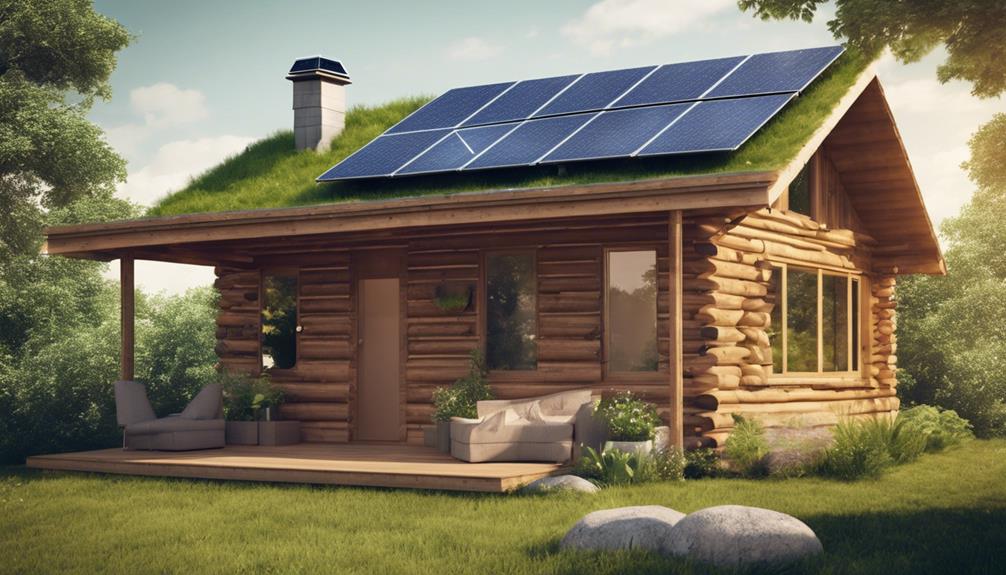
- Grid-connected cabin, lower utility use: Fixed rooftop or ground mount sized for net reduction; check interconnection rules.
- Grid-connected with outage backup: Solar-plus-storage and a backup-capable inverter with a critical-load transfer panel.
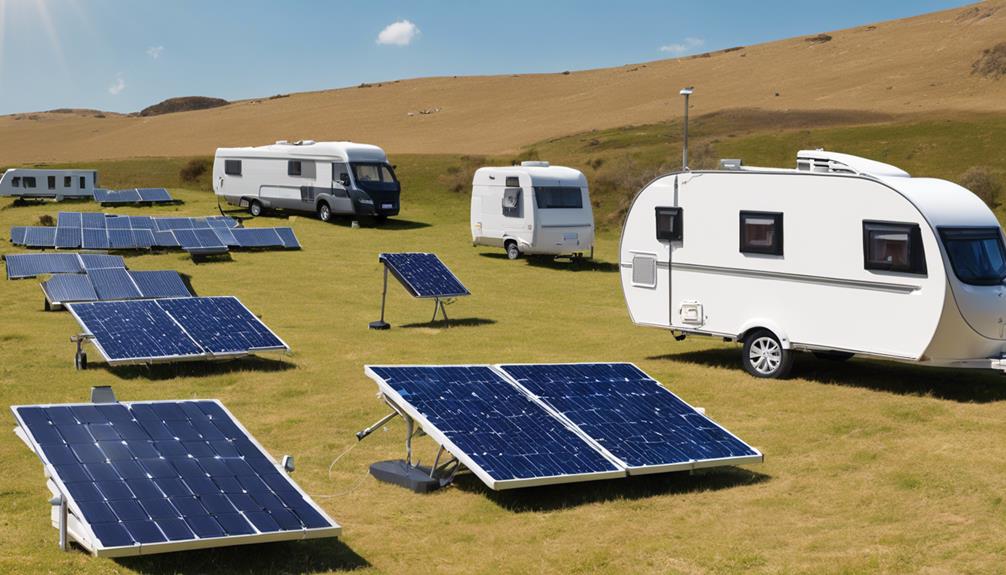
- Seasonal/primitive cabin: Portable/folding panel kits paired with a battery power station for charging lights, phones, and small appliances.
- Heavily shaded site: Consider site redesign, ground-mount in a clear spot, or reduce loads—premium panels rarely overcome deep shade.
How much solar and storage do you need?
Start with a daily load inventory. List every appliance, its watts, and hours used. Separate must-run (critical) loads from optional ones and identify high-surge equipment such as pumps and refrigerators.
Preliminary sizing formula:
Daily watt-hours = appliance watts × hours used per day
Sum the daily watt-hours to get a baseline. Then decide how many days of autonomy you want (battery usable capacity in kWh) and size your inverter’s continuous and surge ratings to handle peak and motor-start currents. For final off-grid or backup designs, consult a qualified installer or licensed electrician—system components must be matched (array voltage, charge controller, battery chemistry and usable capacity, inverter ratings, and overcurrent protection).
Which panel specifications matter for a cabin?
Compare modules with a practical checklist:
- Rated power (W or Wdc): The nameplate output under standard test conditions; expect lower real-world output.
- Module dimensions and weight: Important where roof area or snow-shedding is a concern.
- Module efficiency: Useful if mounting area is limited, but not the only value metric.
- Temperature coefficient: Lower (more negative) values mean less loss as cell temperatures rise.
- Mechanical load ratings: Snow-load and wind-load numbers; verify local structural needs.
- Certifications/listings: UL 61730 and IEC/UL 61215-series testing, plus corrosion or hail tests where relevant.
- Warranties: Product warranty (defects) vs. performance/power warranty (retained output over time).
- Electrical specs: Open-circuit voltage and Isc for charge-controller/inverter compatibility.
- Local support and replacement availability.
Modules commonly last 25+ years and may retain 80% or more of rated power, but this is a general expectation—not a guarantee.
Fixed vs. portable panels
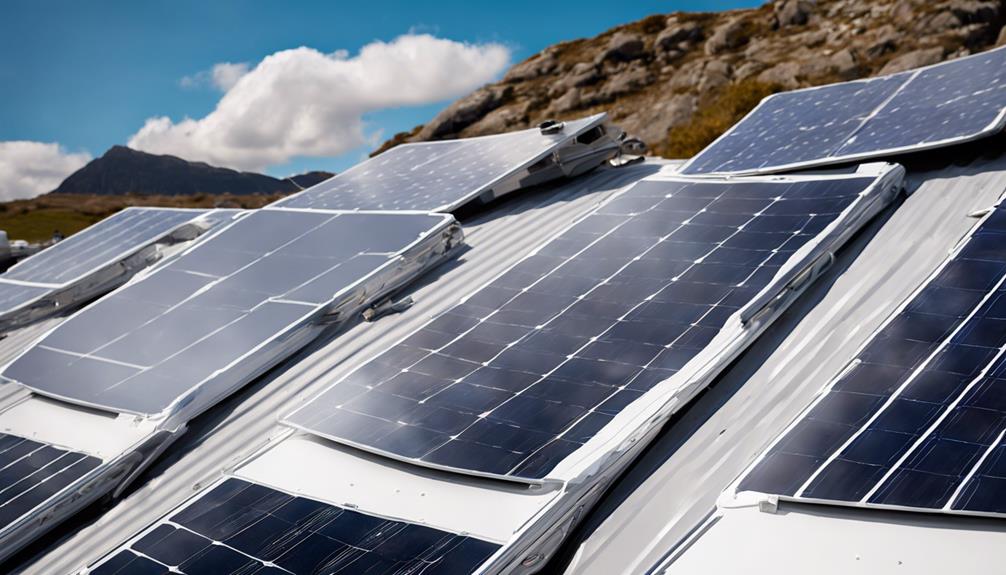
Fixed systems offer far greater output potential and are best for full cabin electrification. Portable folding kits are lightweight, theft-prone, and best for small loads or occasional use. Choose portable for temporary charging and minimal winter use; choose fixed for regular or heavy loads and year-round cabins.
Roof mount vs. ground mount
Ground mounts are preferable where roofs are shaded, old, undersized, steep with heavy snow, or difficult to access. Ground mounts increase maintenance access and tilt flexibility but may require trenching for wiring, additional permitting, or land disturbance.
Batteries and inverters: why they matter
For off-grid or outage-ready cabins, panels alone cannot guarantee power. Match array output to the charge controller, and match batteries (chemistry, voltage, and usable kWh) to your autonomy goals. Inverter continuous output and surge capability must cover refrigerators, well pumps, and motor loads. Treat batteries, inverter, PV array, and controls as an integrated system when sizing and buying.
Estimating production and incentives
Use a location-based tool (for example, NREL’s PVWatts) to run preliminary production estimates and account for seasonal low-production months. These tools are useful early in planning but do not replace a site-specific shading and system design analysis. Also verify current tax credits and incentives—federal rules have changed; confirm eligibility before purchase.
Common cabin solar mistakes
- Buying panels before calculating loads.
- Underestimating winter or cloudy-day needs.
- Ignoring shade, structural, and permit issues.
- Undersizing inverter surge capacity or battery usable kWh.
- Treating warranties and local support as afterthoughts.
FAQ (short answers)
Are portable panels enough? They can be for lights, phones, and small devices, but usually not for full cabin electrification.
Can panels work in snow and cold? Yes—cold cells may be more efficient—but snow cover, tilt, and shading strongly affect real output.
Can solar run a well pump? Yes if the inverter surge and continuous ratings and battery/bus design accommodate the pump’s start and run currents.
Conclusion and safety note
Size loads and storage first, validate your site and seasonal production, then choose modules whose physical, electrical, durability, warranty, and certification profiles fit that design. For roof-mounted, high-voltage DC, battery-integrated, or utility-interconnected installations, contact a qualified solar or electrical professional and obtain required permits and inspections before work begins.