Hybrid solar systems combine rooftop photovoltaic panels with battery storage and intelligent inverters to deliver a flexible, resilient source of electricity for homes and businesses. As energy prices fluctuate and grid reliability becomes more of a concern, hybrid systems offer a middle ground between traditional grid-tied solar and full off-grid installations. They allow owners to capture solar generation, store excess energy for later use, and switch seamlessly between solar, battery, and grid power based on need and cost.
What are hybrid solar systems?
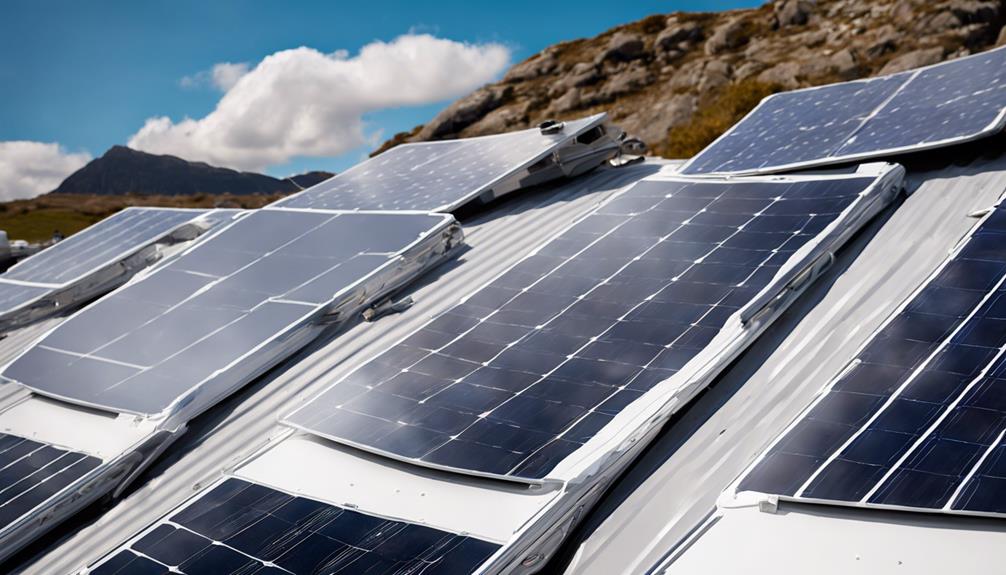
At their core, hybrid solar systems consist of solar panels, a battery bank, and a hybrid inverter or charge controller that manages energy flows. Unlike a standard grid-tied system that exports surplus energy to the utility, a hybrid setup retains excess generation in batteries for use during evenings, cloudy days, or outages. Hybrid systems can operate while connected to the grid, drawing or sending power as required, or they can function in an islanded mode during a grid failure. The hybrid inverter is a critical component because it coordinates charging and discharging cycles, balances loads, and often includes smart features for time-of-use optimization.
How hybrid solar systems work in daily use
During daylight, solar panels convert sunlight into direct current electricity which the inverter converts to alternating current for household use. When generation exceeds demand, the hybrid controller diverts surplus power to charge the batteries instead of exporting to the grid. In the evening or under high load, the inverter draws stored energy to supply the home. If battery levels drop and the solar output is insufficient, the system can automatically pull power from the grid. Advanced setups also incorporate programmable rules that prioritize battery use during expensive peak pricing periods or reserve a portion of battery capacity for emergency backup. This dynamic balance makes hybrid solar systems practical and efficient for a wide range of daily scenarios.
Benefits of choosing a hybrid solar system
One of the primary advantages of hybrid solar systems is resilience. Battery-backed solar provides uninterrupted power during grid outages, keeping critical circuits like refrigeration, heating, and medical equipment running. Financial benefits include reduced peak demand charges and lower electricity bills through load shifting: charging batteries when solar is abundant or when rates are low and discharging during high-rate periods. Environmental benefits accrue from increased self-consumption of renewable energy, reducing reliance on fossil-fueled grid power. Moreover, modern hybrid systems often come with monitoring and energy management features that give homeowners clearer insights into consumption patterns and opportunities for additional savings.
How to choose the right hybrid solar system
Selecting an appropriate hybrid configuration begins with a realistic assessment of energy needs and goals. Start by reviewing historical electricity usage to determine average and peak loads. From there, decide whether the priority is full backup for specific circuits, partial backup for essential appliances, or maximizing bill savings through time-of-use strategies. Battery sizing should reflect the desired autonomy—how many hours or days of operation you want without grid assistance—and consider factors like depth of discharge and round-trip efficiency. The inverter capacity must match both the expected solar input and the peak household demand. Look for systems with scalable batteries if future expansion is likely, and evaluate warranties, expected battery cycle life, and manufacturer support. Professional design and proper permitting are important; a qualified installer will ensure safe integration with existing electrical systems and compliance with local codes.
Practical use cases and installation considerations
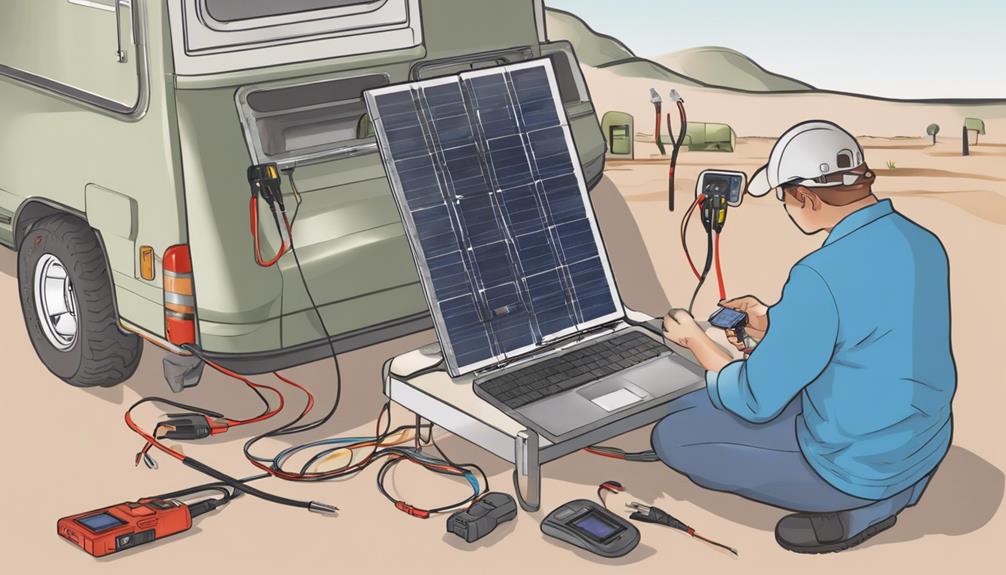
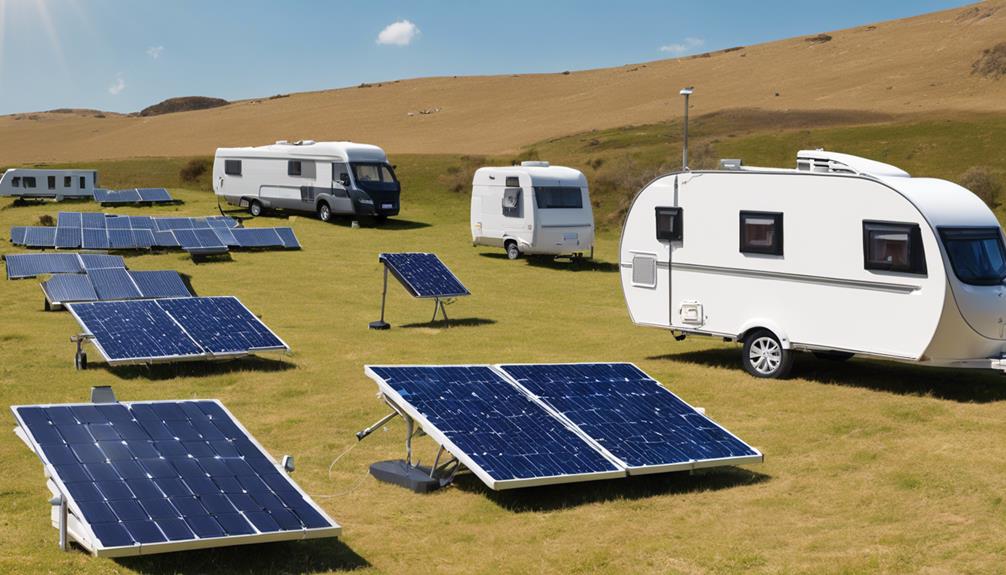
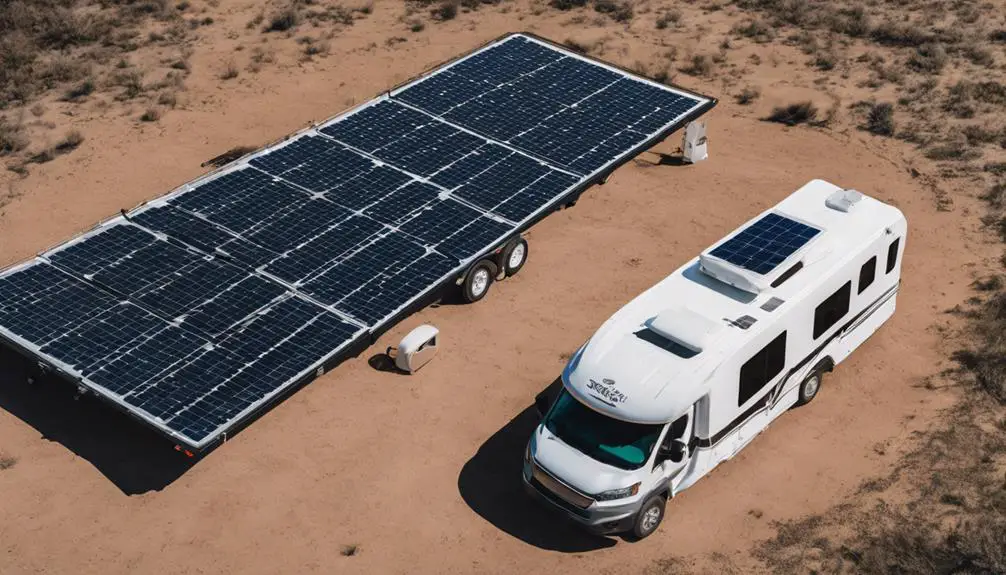
Hybrid solar systems fit a broad range of practical applications. In areas with unreliable grid service, they deliver reliable backup power and can prevent food spoilage and damage to sensitive equipment during outages. For urban homeowners facing time-of-use rates, hybrid systems can reduce bills by discharging stored energy during expensive evening hours. Small businesses and farms can protect critical operations while lowering operating costs. Hybrid setups also pair well with electric vehicle charging, allowing owners to charge EVs with stored solar energy rather than drawing from the grid during peak times. When planning installation, consider roof orientation and shading to maximize panel output, and account for space, ventilation, and safety needs for battery storage. Local regulations may require permits and inspections, especially for systems that disconnect from the grid or provide whole-house backup. Ongoing maintenance is generally minimal but includes periodic monitoring of system performance and routine checks for battery health and inverter updates.
Cost, incentives, and long-term outlook
Upfront costs for hybrid solar systems are higher than for simple grid-tied arrays because of battery and inverter expenses, but declining battery prices and incentive programs can improve the economics. Many regions offer rebates, tax credits, or net metering policies that make hybrid investments more attractive. When calculating payback, factor in reduced energy bills, avoided outage costs, and potential increases in property value. As battery technology continues to improve and energy markets evolve, hybrid solar systems are becoming an increasingly practical option for homeowners and businesses seeking greater energy independence and resilience.
In closing, hybrid solar systems provide a versatile, future-ready approach to integrating renewable generation with storage and grid interaction. They balance reliability, cost savings, and sustainability, making them a compelling choice for anyone looking to reduce dependence on conventional power sources while improving resilience. Proper planning, realistic sizing, and professional installation are key to unlocking their full benefits.