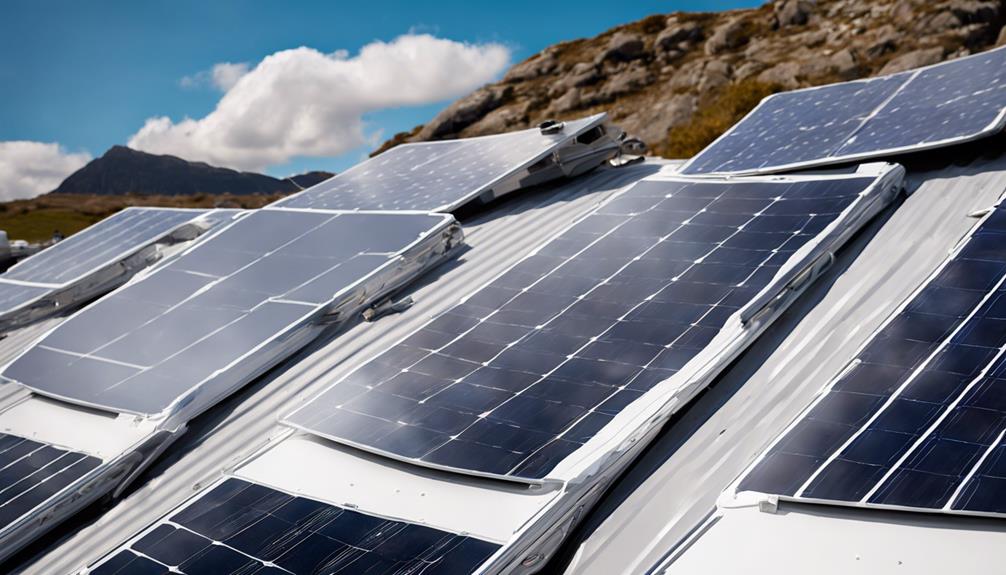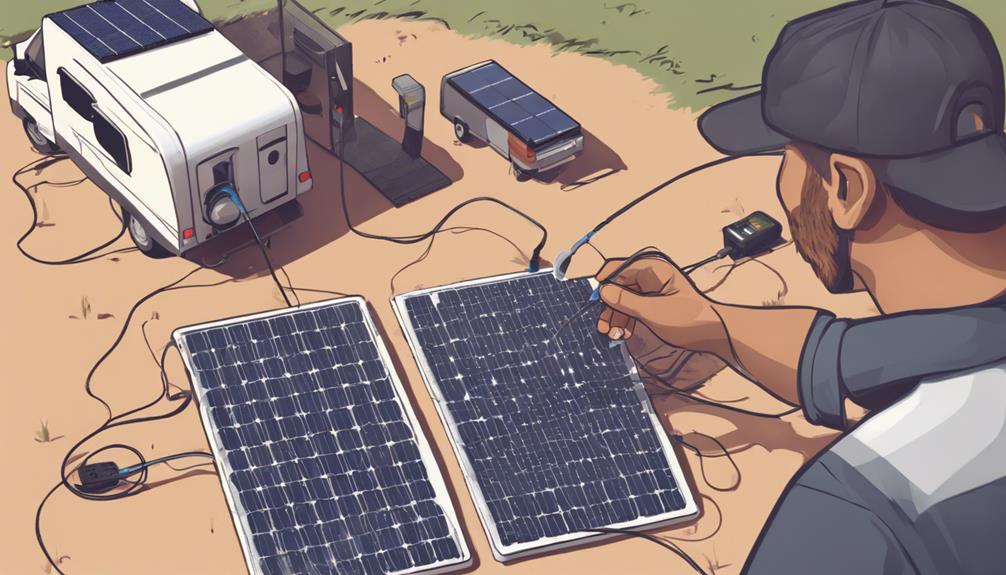
Combining wind and solar energy into a single system is an increasingly attractive option for people building off grid solar systems. A solar generator windmill blends photovoltaic panels with a small wind turbine and energy storage to create a resilient hybrid power source. This article explains how a solar generator windmill works, why it suits off-grid living, practical sizing and installation tips, and real-world use cases so you can decide if a hybrid renewable generator is right for your project. A solar generator windmill demonstrates a hybrid renewable setup ideal for powering remote off-grid homes.
How a solar generator windmill works
A solar generator windmill integrates solar panels, a wind turbine, charge controllers, batteries, and an inverter into a coordinated system that charges and delivers electricity. During sunny periods, photovoltaic panels produce DC power that flows through MPPT or PWM charge controllers to charge a battery bank. When wind speeds pick up, the turbine converts kinetic energy into electricity, which is routed through the same or a dedicated controller. An inverter then converts stored DC power to AC for household loads. Some systems use hybrid controllers that manage both wind and solar input and prioritize battery health to maximize lifespan and efficiency.
Advantages for off grid solar systems
One of the strongest arguments for a solar wind turbine generator in off-grid contexts is reliability. Solar output drops at night and during overcast weather, while wind can be stronger at night or during storms. Combining both sources smooths the supply curve, reducing dependence on a generator or grid connection. A wind and solar generator often requires a smaller battery bank and fewer fuel-based backup hours than a solar-only system, lowering lifecycle costs and maintenance.
Sizing and design considerations
Designing an effective solar generator windmill starts with a realistic assessment of energy needs. Calculate average daily consumption for essential loads—lighting, refrigeration, pumps, and communications—and plan for peak demands. Sizing the turbine and array should reflect site-specific wind and solar resource data: average wind speed, seasonal wind patterns, and sun hours. Small turbines commonly used for off-grid setups typically produce a few hundred watts to several kilowatts at rated wind speeds, while solar panels are rated per panel in the 100 to 400 watt range. Battery capacity should store several days of autonomy if access to maintenance or fuel is limited.
Component selection matters. MPPT charge controllers improve efficiency, especially with variable inputs from wind and solar. Lithium iron phosphate batteries offer longer cycle life and better depth of discharge than lead-acid alternatives, though they come with higher upfront cost. Hybrid inverters with battery management and generator integration simplify system control. For wind turbines, mounting height and proper siting away from obstructions dramatically affect performance; turbines often benefit from being placed 30 to 50 feet above nearby trees and structures.
Installation, permitting, and maintenance
Installing a solar generator windmill involves mechanical, electrical, and sometimes civil considerations. Foundations or guyed towers for turbines must meet local codes and soil conditions. Electrical connections should be weatherproofed and include proper grounding and lightning protection because exposed towers are vulnerable. Many municipalities have permitting requirements for wind turbines and visible structures; check local regulations and neighborhood covenants before purchase and installation. Consider using an off-grid solar sizing calculator to estimate battery, panel, and windmill complement needs.
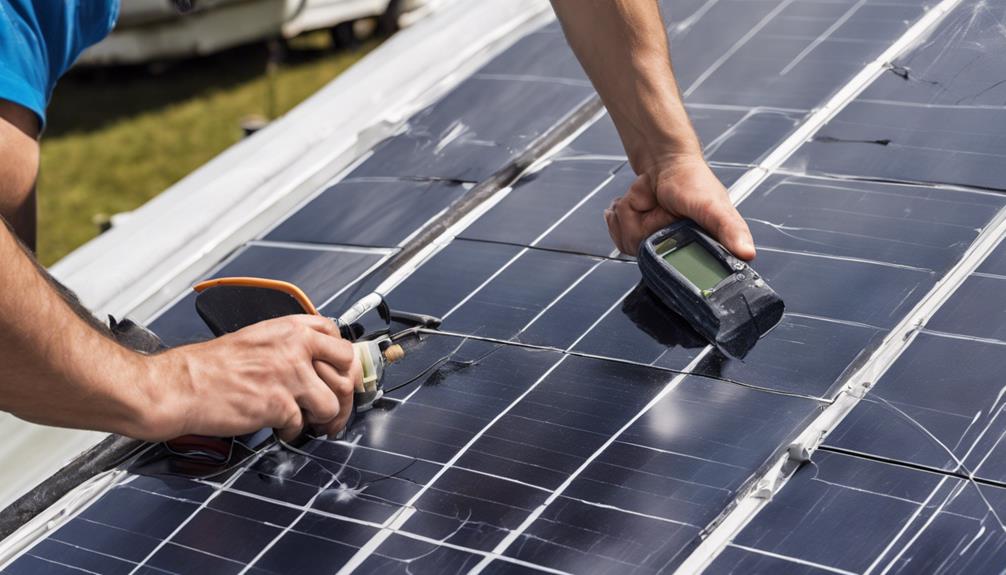
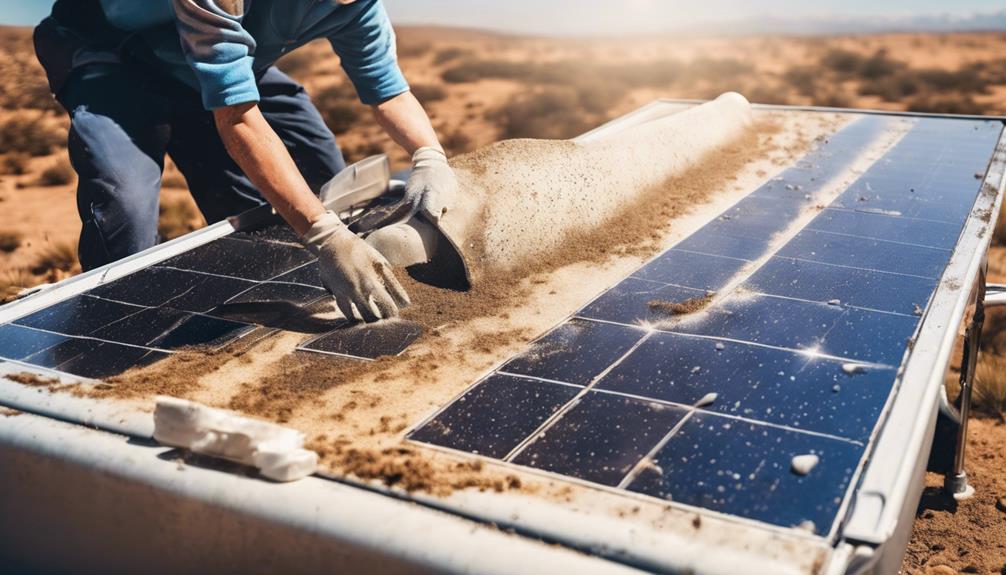
Maintenance frequency depends on the turbine design and environmental conditions. Small modern turbines are engineered for low maintenance, but periodic inspections of blades, bearings, and electrical connections are still essential. Solar panels require minimal care—occasional cleaning and tight electrical checks. Regularly monitoring battery state of charge and testing charge controllers helps avoid premature failures. A well-documented maintenance plan can extend system life and improve reliability for off-grid applications.
Practical use cases and cost trade-offs
Hybrid solar and wind generators are particularly useful for cabins, remote homes, agricultural operations, telecommunications sites, and emergency backup installations. In coastal or mountainous locations where wind is plentiful, a small turbine can supply significant overnight power that panels cannot. Farms and off-grid water pumping systems benefit from wind-charged batteries that keep pumps operational during cloudy seasons. For remote sensors or monitoring stations, the combined approach offers multi-year autonomy with minimal intervention.
Cost considerations vary widely. Adding a wind turbine increases upfront capital and installation complexity, but it can lower operational expenses by reducing generator run time and the size of the battery bank. Evaluate payback by comparing fuel and maintenance costs of a diesel backup to the additional installed cost of a turbine. Incentives, rebates, or net metering options can further change the economics in some regions. For many off-grid builders, the value of continuous, cleaner power and reduced fuel logistics outweighs the extra investment.
Choosing the right system for your off-grid needs
Before committing to a solar generator windmill, obtain an energy audit and a site assessment that includes wind resource maps and solar insolation data. Consider modular systems that allow for staged expansion—start with a smaller hybrid setup and add panels, turbine capacity, or battery storage as needs evolve. Engage with experienced installers familiar with off-grid solar systems so electrical integration, safety protocols, and maintenance plans are properly implemented. Prioritize quality components and verified performance specifications over the lowest price to ensure reliable power for years to come.
Hybrid solar wind solutions are a natural fit within the off-grid solar systems cluster because they increase resilience and self-sufficiency. When designed and installed with care, a solar generator windmill reduces reliance on fossil fuels, smooths energy availability across varied weather, and supports a wide range of remote power needs. For anyone planning an off-grid lifestyle or upgrading an existing installation, a properly sized and maintained wind and solar generator can be a smart long-term investment in energy independence.