Understanding the offgrid meaning is essential for anyone considering independence from utility grids or exploring sustainable living options. Off-grid systems offer a path to reliable power in remote locations, reduce monthly energy bills, and increase resilience during outages. This article explains what off grid really means in practical terms, focuses on off grid solar systems, and walks through the components, use cases, planning tips, and long-term considerations you should know before making the leap. Understanding the off-grid concept leads naturally into off-grid solar basics for independent power solutions.
Defining offgrid meaning: what is off grid in everyday life?
At its simplest, offgrid meaning refers to living or operating independently of centralized utility services such as electricity, water, and sometimes gas. When people ask what is off grid, they are usually asking about electricity—specifically, whether a home or facility produces and stores its own power rather than relying on a municipal or investor-owned utility. For many homeowners, going off grid implies installing renewable generation like solar panels, combined with battery storage and controls, so that the property can operate without a grid connection or with minimal interaction.
Key components of off grid solar systems
Off grid solar systems are more than just rooftop panels. A properly designed off-grid setup includes solar panels to generate energy, an energy storage system—typically batteries—to capture excess production, a charge controller to manage battery charging, and an inverter to convert stored DC power into the AC power that household appliances require. Many off-grid systems also integrate a backup generator for extended periods of low solar production or to handle higher-than-expected loads. Monitoring and control systems help optimize performance, protect equipment, and provide visibility into energy usage and state of charge.
Solar generation and batteries
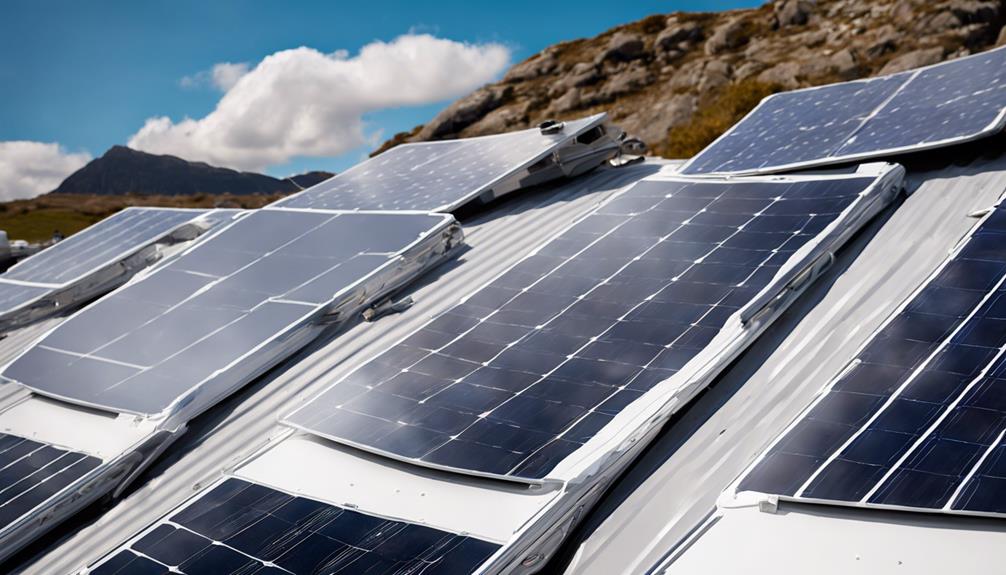
Solar panels provide the primary source of generation during daylight hours, while batteries allow households to use that energy when the sun is down. Advances in lithium-based battery technology have made off-grid systems more compact, efficient, and longer-lasting compared with older lead-acid options. Properly sizing battery capacity is critical because it determines how many cloudy days the system can handle without drawing on a generator.
Inverters, controllers, and backup systems
An inverter converts the DC output of batteries into the AC voltage used by most appliances. A high-quality charge controller prevents overcharging and optimizes the flow of energy into the batteries. Backup generators, often fueled by propane or diesel, provide a last-resort source of power and help reduce the required battery bank size for some installations.
Practical use cases for going off grid
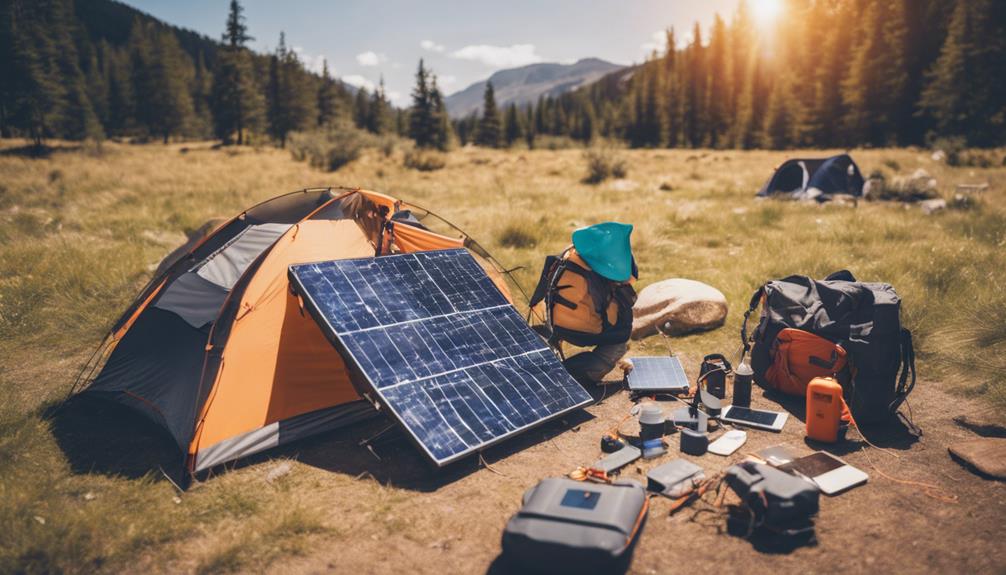
Off-grid solar systems are commonly used in cabins, remote homes, agricultural settings, and tiny house communities where extending utility lines would be expensive or impractical. They also appeal to people seeking energy independence for environmental or personal resilience reasons. In suburban and rural areas, hybrid approaches allow homes to remain grid-tied but rely primarily on solar and battery storage, switching to full off-grid operation during outages. Off-grid setups are increasingly chosen for vacation rentals, remote telecommunication sites, and emergency shelters where consistent power availability is vital. Understanding offgrid meaning helps decide whether a grid connected PV installation suits your energy needs.
How to plan and size an off-grid solar system
Planning an off grid solar system starts with a careful assessment of your energy needs. Create a realistic load profile by listing appliances, daily usage hours, and peak demand. Next, evaluate local solar resources—roof orientation, shading, and seasonal variability affect daily generation. From there, you can size the solar array and battery bank to meet consumption during periods of low sunlight while deciding on a generator size if you want redundancy. Professional installers use software tools and on-site measurements to design systems that balance performance, cost, and reliability.
Challenges, maintenance, and long-term considerations
Going off grid introduces responsibilities that grid-connected homeowners typically do not face. Batteries require periodic maintenance or eventual replacement, and inverters and controllers have finite lifespans. Weather, dust, and wildlife can affect solar panel performance, so periodic cleaning and inspections are important. Financially, the upfront cost of a fully off-grid system is higher than a standard grid connection, but incentives, falling component prices, and reduced long-term energy costs can improve payback. Consider regulatory and permitting requirements in your area, as some regions have specific rules for off-grid or stand-alone systems.
For those weighing the decision, pilot projects and scaled installations offer a way to test an off-grid lifestyle or capability before committing fully. Combining energy-efficient appliances, smart load management, and behavioral changes often reduces the required system size and cost. Ultimately, a well-designed off-grid solar system delivers independence, resilience, and a lower environmental footprint when compared to fossil-fuel-dependent backup solutions.
In conclusion, the offgrid meaning encompasses much more than simply disconnecting from the utility. It involves a deliberate approach to generation, storage, and consumption that matches your lifestyle and reliability goals. Whether you are asking what is off grid out of curiosity or preparing to install an off grid solar system, understanding the components, practical applications, planning steps, and maintenance needs will help you make an informed decision that aligns with your needs and values.