Designing an off grid solar system requires more than selecting panels and a battery. A well-executed off grid solar system design balances energy needs, system losses, weather patterns, and long-term maintenance to provide reliable power where utility connections are impractical or undesired. Whether you are planning a remote cabin, a rural farm, or a resilient backup for a primary residence, understanding the core principles of design and installation will lead to a system that performs efficiently for years. For equipment selection and layout guidance, consult our off-grid system planning resource covering complete solar setups.
What is an off grid solar system and why choose it?
An off grid solar system supplies electricity independently from the public grid by converting sunlight into usable power and storing excess energy in batteries. People choose off-grid systems for independence, remote living, lower long-term energy costs, and resilience against grid outages. Off-grid living can also minimize environmental impact when paired with energy-efficient appliances and thoughtful load management. Unlike grid-tied setups, off-grid systems require careful design to ensure consistent power availability across varying seasons and weather conditions.
Key components and foundational design principles
Every off grid solar system includes several essential components: photovoltaic panels to generate electricity, a charge controller to manage battery charging, batteries for energy storage, and an inverter to provide AC power for household appliances. The design must account for derating factors such as temperature, dust, wiring losses, and inverter inefficiencies. Proper component selection and system topology—whether a DC-coupled or AC-coupled battery setup—impact efficiency and scalability. A robust design also incorporates safety components like disconnect switches, fuses, and appropriate grounding.
Solar panels and orientation
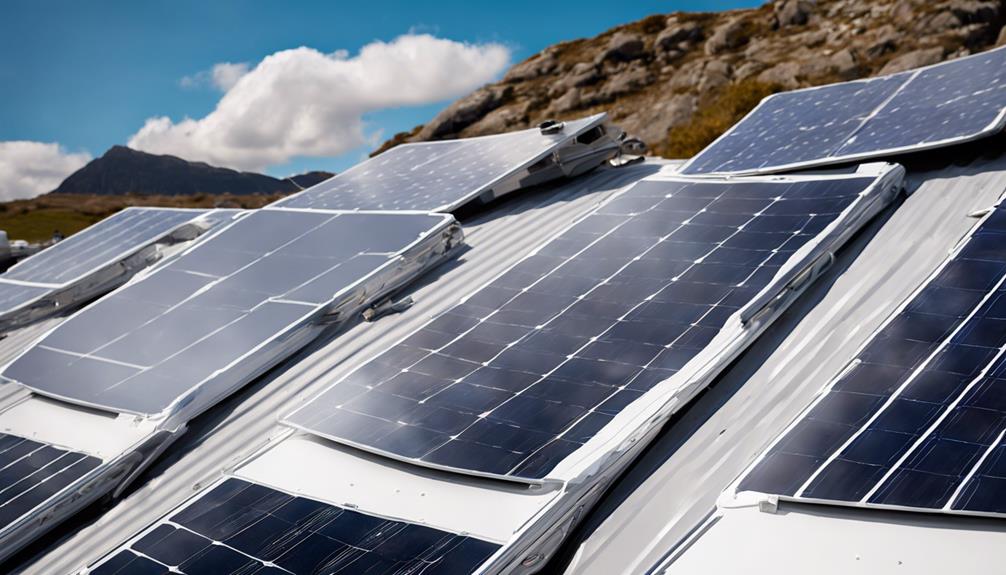
Panel choice affects both upfront cost and long-term performance. High-efficiency panels reduce roof or ground space requirements but may cost more per watt. Orientation and tilt must be optimized for the location’s latitude and typical weather to maximize annual production. Shading analysis is critical; even small shadows can disproportionately reduce output and should be avoided through placement or panel-level power electronics.
Batteries, charge control, and inverters
Battery selection—lead-acid versus lithium—dictates cycle life, depth of discharge, maintenance needs, and overall system footprint. Lithium batteries often offer superior usable capacity and longer lifespans despite higher initial cost. The charge controller, whether MPPT or PWM, should match the array voltage and battery chemistry for efficient charging. Inverters must be sized for peak loads and special appliances like motors or pumps that have high startup currents. Hybrid inverters with integrated solar and battery management simplify system integration.
Sizing an off grid solar system: practical steps
Accurate load assessment is the first step in sizing. List every appliance, its wattage, and expected daily runtime to calculate daily energy consumption in kilowatt-hours. Factor in growth for future loads and inefficiencies; a conservative safety margin helps prevent under-sizing. Battery capacity is determined by required days of autonomy and allowable depth of discharge. For example, a household using 10 kWh per day with two days of autonomy and a 50 percent usable depth of discharge would need at least a 40 kWh battery bank.
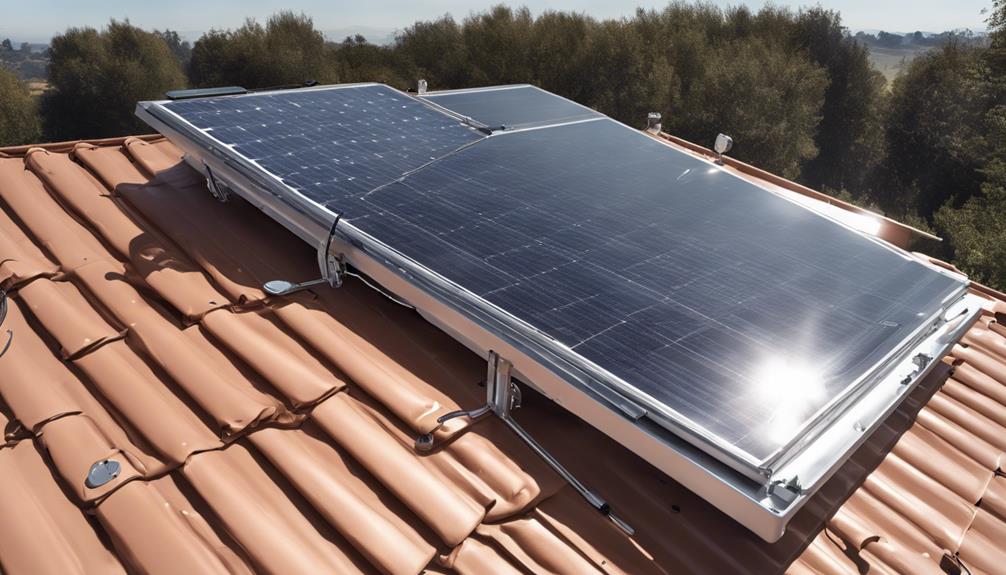
Panel array size depends on the daily energy requirement, local solar irradiance, and system losses. Using local solar insolation data, divide daily energy needs by average sun hours to estimate required array output, then adjust for real-world inefficiencies. In many climates, oversizing the array slightly improves battery charging during cloudy periods and winter months when production drops. In off-grid solar system design, consider railless mounting solutions to simplify installation and lower wind loads.
Site assessment and placement considerations
Conducting a thorough site assessment prevents common mistakes in off grid solar system design. Evaluate shading from trees, buildings, and terrain throughout the year. Consider access for maintenance, snow loads in cold climates, and wind exposure for mounting structures. Ground-mounted arrays offer easier access and better tilt optimization, while roof-mounted systems save space but may have limited orientation options.
Waterproofing, ventilation, and temperature control for battery enclosures are equally important. Batteries perform best within certain temperature ranges, and extremes can shorten life or reduce usable capacity. Positioning the battery bank close to the inverter reduces DC voltage drop, but safety and ventilation requirements must also be observed.
Off grid solar system installation and practical use cases
The off grid solar system installation process typically begins with finalizing a design, procuring equipment, and securing any required permits. Professional installers can ensure electrical code compliance, safe interconnections, and proper commissioning. For many homeowners and off-grid enthusiasts, a hybrid approach—using a licensed electrician for critical electrical work and a technician for panel mounting—saves time and reduces risk. Even with professional help, system owners should be familiar with basic operations and emergency procedures.
Common use cases include remote cabins and tiny homes where there is no grid access, agricultural applications like powering irrigation pumps and livestock fencing, and emergency backup for main residences. Off-grid systems also support mobile applications such as boats and RVs. Each use case influences design priorities: a cabin might prioritize long battery autonomy, while a farm might require higher peak capacity for motors and pumps.
Maintenance, monitoring, and long-term performance
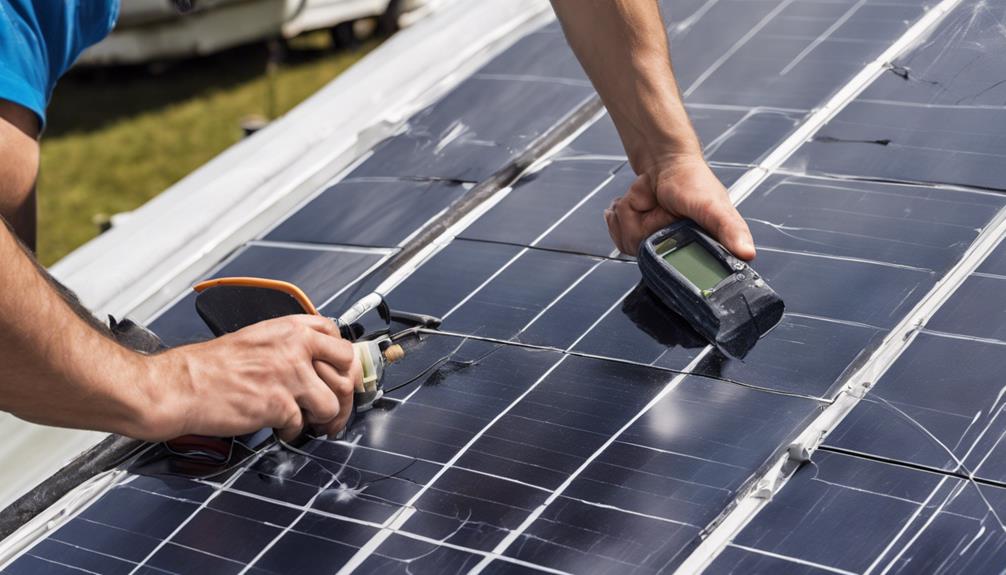
Regular maintenance keeps an off grid solar system dependable. Cleaning panels, inspecting mounts and wiring, checking battery health, and monitoring inverter logs help catch issues early. Remote monitoring systems provide real-time insight into energy production and consumption, enabling quick adjustments to preserve battery life and optimize usage. Planning for component replacement, especially batteries and inverters, should be part of the long-term budget.
Designing and installing an off grid solar system demands careful planning and realistic expectations. By focusing on accurate load assessment, selecting appropriate components, optimizing site placement, and following sound installation practices, you can build a system that delivers reliable, sustainable power for years. Whether your goal is independence from the grid, resilience during outages, or powering a remote property, a thoughtful off grid solar system design is the first step toward energy freedom.