Summer brings longer days, warmer nights, and higher energy bills if you are not careful. Learning how to save electricity in the summer can reduce monthly expenses, increase home comfort, and extend the life of cooling equipment. This article explains practical, cost-effective strategies—from simple behavioral changes to targeted upgrades—that help you lower consumption without sacrificing comfort. Whether you rent an apartment or own a house, applying these summer energy conservation tips will make a noticeable difference.
Maintain and optimize your HVAC for peak efficiency
Your heating, ventilation, and air conditioning system is usually the largest electrical load in summer, so energy saving tips for summer HVAC start with regular maintenance. Replace or clean filters every one to three months, ensure registers and ducts are unobstructed, and schedule a professional tune-up before the hottest months. A well-maintained system runs more efficiently, uses less electricity, and cools your home more consistently.
Thermostat settings matter too. Raising the thermostat by a few degrees when you are away and using a programmable or smart thermostat can lower peak consumption. Learning how to save electricity in the summer includes avoiding unnecessary cooling at night when temperatures drop. Use setback schedules to reduce runtime during the day and only cool occupied spaces. These measures help keep electric bills down in summer while maintaining comfort when you need it.
Seal, insulate, and shade to reduce heat gain
Reducing the amount of heat that enters your home is one of the most effective summer energy efficiency tips. Inspect weatherstripping around doors and windows and caulk gaps where warm air can seep in. Adding or upgrading attic insulation limits heat transfer from the roof and reduces the workload on your air conditioner. Even modest improvements to the building envelope can produce measurable savings on your cooling costs.
Exterior shading—awnings, blinds, pergolas, or strategically planted trees—blocks direct sunlight and reduces solar heat gain through windows. Inside, reflective window films or insulated curtains further lower indoor temperatures. These summer energy conservation tips are particularly helpful for west- and south-facing windows that receive the most intense afternoon sun and are a practical way to reduce electric bill during summer without heavy equipment investments.
Use smart thermostat strategies and passive cooling
Smart thermostats and automated schedules are powerful tools for how to save electricity in the summer. Program your thermostat to increase setpoints during unoccupied hours and begin cooling shortly before you return home. Geofencing functions can do this automatically based on your phone’s location, eliminating guesswork and reducing wasted runtime.
Passive cooling methods complement thermostat strategies. At night, open windows to flush out heat if outdoor temperatures are cooler than indoors. Ceiling fans and portable fans create a wind chill effect that allows you to feel comfortable at higher thermostat setpoints, often enabling you to keep your air conditioner at a less energy-intensive setting. Remember that fans cool people, not rooms; turn them off when no one is present to keep saving energy.
Reduce plug loads and optimize appliances
Many appliances and electronics generate heat and draw electricity, increasing demand on cooling systems. To keep electric bills down in summer, minimize heat-producing activities during the hottest parts of the day. Cook with an outdoor grill or use the microwave instead of the oven, and run dishwashers, washers, and dryers in the early morning or late evening when temperatures are lower and energy demand may be cheaper.
Upgrade to ENERGY STAR rated appliances where feasible and use energy-saving modes on devices like refrigerators, pools pumps, and dehumidifiers. Unplug chargers and electronics that are not in use to avoid phantom loads. These small behavioral changes and appliance optimizations add up, helping you learn how to save money on electric bill in summer without major renovations.
Consider targeted upgrades for long-term savings
If you want a more substantial reduction in bills, targeted home improvements can deliver long-term benefits. High-efficiency air conditioners and heat pumps use significantly less electricity than older models, especially when sized and installed correctly. Upgrading windows to double-pane or low-emissivity glass, adding attic ventilation or radiant barriers, and installing a whole-house fan are all summer energy efficiency tips that reduce cooling load.
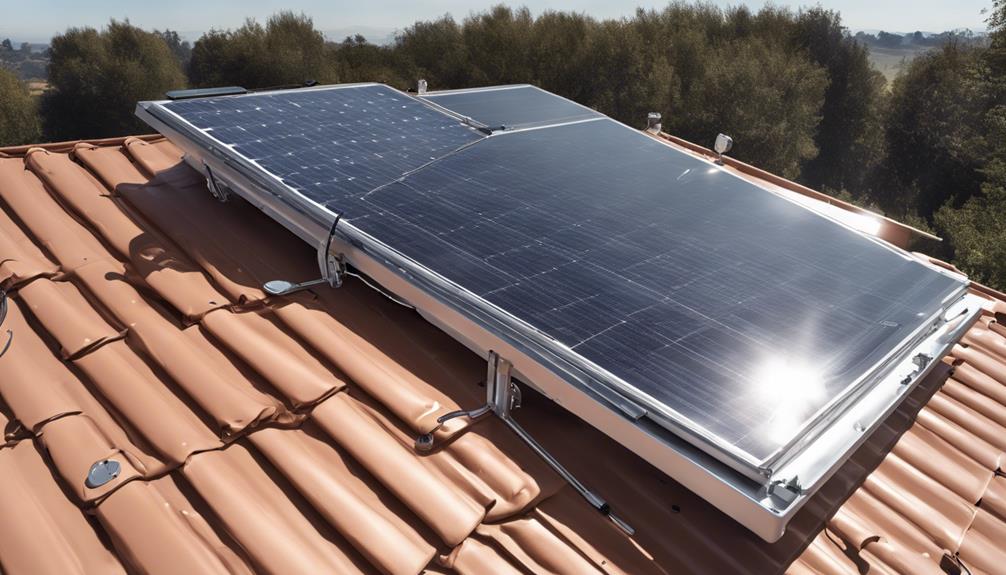
For homeowners with the budget and the right conditions, solar panels offer a way to offset electric consumption entirely or substantially during sunny months. Even modest investments like programmable thermostats, smart zoning systems, or insulated garage doors pay back over a few seasons through reduced energy use. When planning upgrades, compare the expected energy savings and payback periods to prioritize projects that best reduce energy bill in summer for your home.
Implementing a combination of maintenance, passive measures, behavioral adjustments, and upgrades will maximize your savings. Regular monitoring of your electric bill and using energy tracking tools can help you measure progress and refine strategies that suit your lifestyle and climate. Clear, consistent steps make it easier to conserve energy in the summer while keeping your home comfortable.
Concluding, learning how to save electricity in the summer is about balancing comfort, cost, and convenience. Simple changes—maintaining your HVAC, sealing leaks, using smart thermostats, shifting appliance use, and considering efficient upgrades—can significantly reduce energy consumption and lower your monthly bills. Start with the low-cost measures and work toward larger improvements to create a cooler, more efficient home for summers to come.