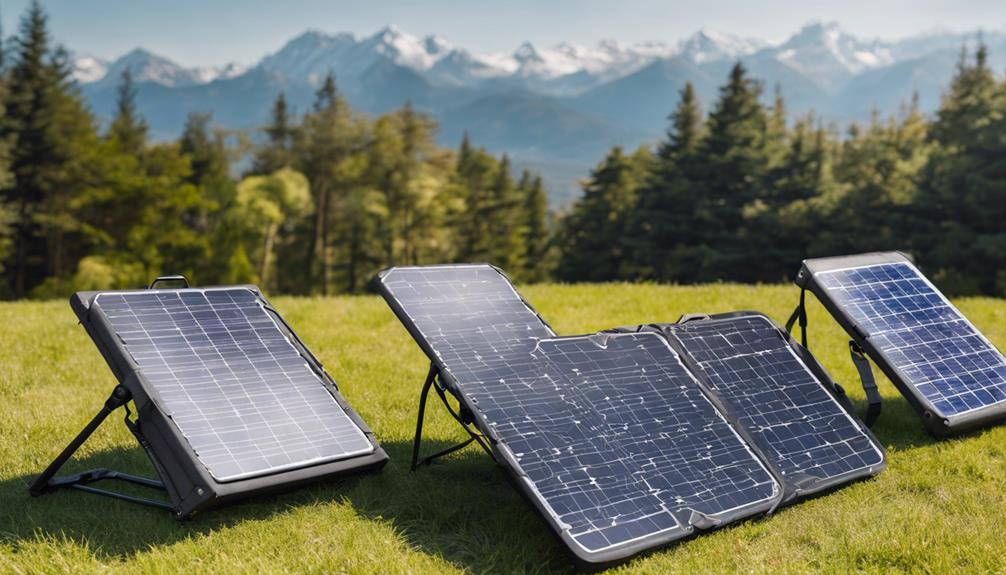
Adopting a system solar panel 220V is a practical choice for many homeowners seeking reliable, efficient power suited to countries and regions that use 220 volt residential supplies. A 220V solar setup allows you to run household appliances directly on standard voltage, integrate battery backup, and choose between grid-tied or off-grid configurations. This article explains how a 220V solar panel system works, how to size one for your home, real-world use cases, installation and safety considerations, and the expected costs and maintenance for residential solar panels.
How a system solar panel 220V works
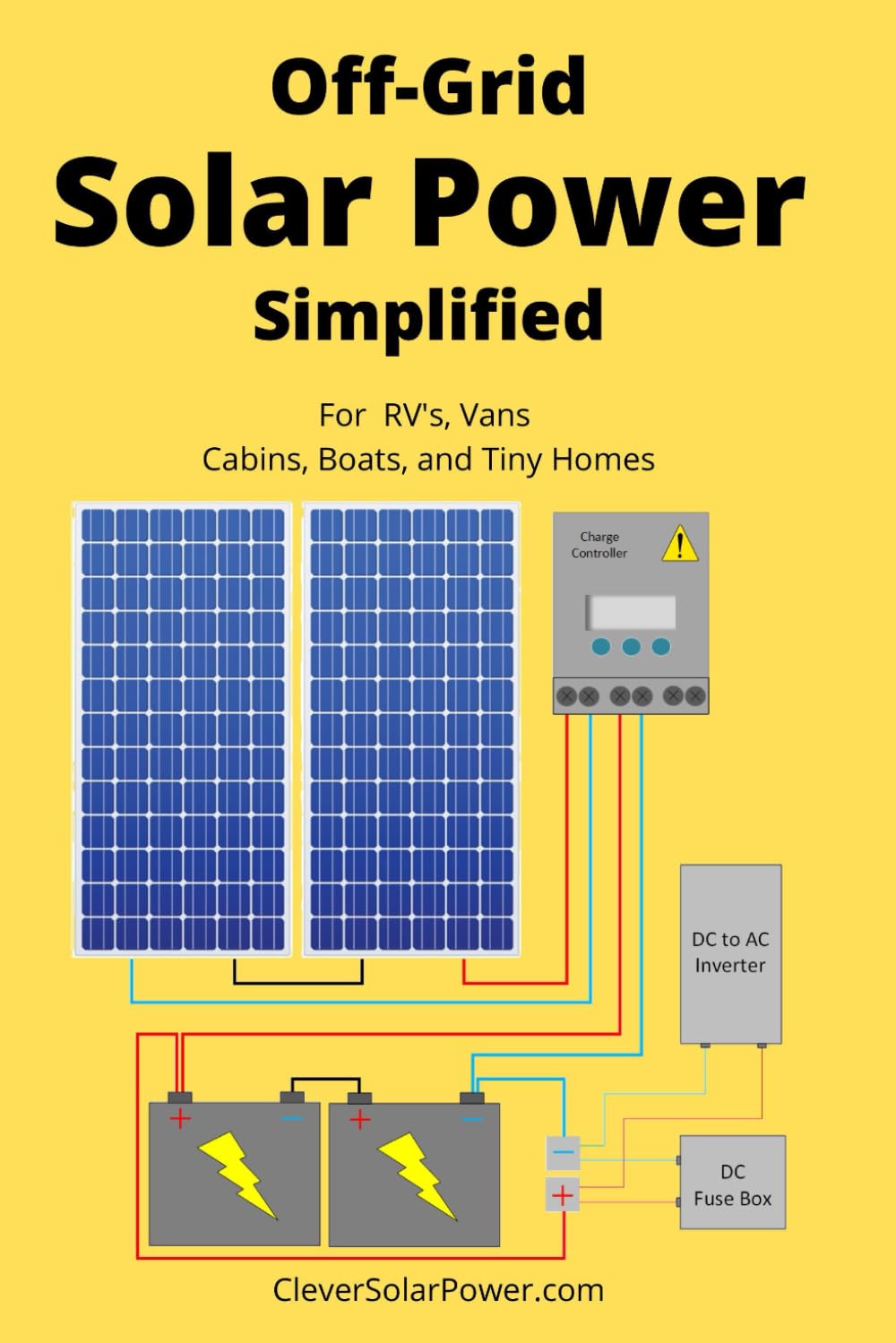
A system solar panel 220V produces direct current (DC) power from photovoltaic modules, which is then converted into alternating current (AC) at 220 volts by an inverter. The inverter either synchronizes with the grid in grid-tied systems or supplies an isolated AC bus in off-grid systems. For many residential solar panels, the inverter is the key component because it shapes the output to match local standards and protects against voltage and frequency anomalies. Charge controllers and battery banks are included when energy storage is needed; they manage the flow of DC power to batteries and prevent overcharging, ensuring the system can supply 220V AC during outages or at night.
Sizing and components of a system solar panel 220V
Sizing a solar panel home system 220V begins with an accurate assessment of household energy use. Start by calculating daily kilowatt-hour consumption and peak loads for appliances that will run on 220V—such as stoves, water heaters, and air conditioners. Next, determine the solar array size required to meet that demand given available roof space and local sun hours. The main components you will select are solar panels, an inverter rated for 220V AC output, mounting hardware, wiring, and optional battery storage. For homes that need backup power, battery capacity is chosen to provide the desired hours of autonomy; for example, a refrigerator and lighting might require far less battery capacity than a full-home backup that includes HVAC systems.
Practical residential use cases for solar panels for home 220V
There are several practical applications for solar panels for home 220V, each reflecting different priorities. A grid-tied 220V system is ideal for homeowners looking to reduce electricity bills and export excess generation to the grid through net metering. A hybrid system with batteries supports load shifting—charging batteries during the day and discharging them during peak price periods—to further lower costs. Off-grid 220V systems are common in rural areas or vacation homes where grid access is limited; these systems must be carefully sized to cover continuous loads and typically include a larger battery bank and generator backup. Another common use case is a dedicated 220V circuit for high-demand equipment, such as a heat pump or electric vehicle charger, while the rest of the home remains on a smaller 110/120V or split-phase arrangement depending on local standards.
Installation tips, safety, and regulations for solar panel home system 220V
Installing a solar panel home system 220V requires attention to local codes, permits, and safety standards. Most jurisdictions mandate professional wiring and inspection, particularly when connecting to the mains grid or making changes to a household’s main electrical panel to accommodate a 220V inverter. Grounding and proper overcurrent protection are essential to prevent electrical hazards. Installers should place inverters and batteries in well-ventilated, weather-protected areas and ensure that panels are mounted to withstand local wind and snow loads. Additionally, anti-islanding protection is required for grid-tied systems so that the inverter shuts down during power outages to protect utility workers. Before starting, obtain accurate site measurements and a system design document that includes string layout, inverter placement, conduit runs, and a single-line diagram for permitting.
Cost, return on investment, and maintenance
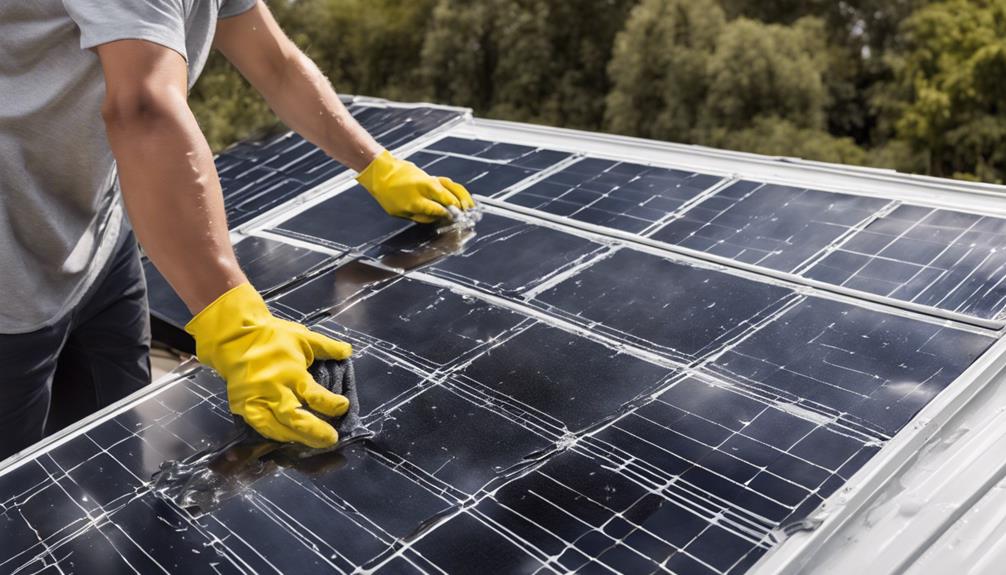
The upfront cost of a system solar panel 220V varies with system size, panel quality, battery inclusion, and installation complexity. Typical residential systems can range from modest arrays for partial offset to large installations providing full home coverage. Return on investment depends on local electricity rates, incentives, and how much energy you can export back to the grid. Maintenance for solar panels is generally low: periodic cleaning to remove dust and debris, visual inspections for loose hardware or shading changes, and occasional inverter servicing. Batteries require more attention, with lead-acid systems needing regular checks and newer lithium-ion batteries offering longer service life with minimal maintenance. Keeping records of energy production and maintenance activities helps optimize performance and identify issues early, supporting a better long-term return on your solar investment.
Choosing the right system solar panel 220V for your home involves balancing energy needs, budget, and future plans such as electric vehicle adoption or expanding home automation. By understanding how a 220V system operates, sizing it appropriately, and following best practices for installation and maintenance, homeowners can enjoy reliable power, lower bills, and greater energy independence. Whether you’re looking for full backup capability, a grid-connected system to reduce monthly costs, or a hybrid setup tailored to your lifestyle, residential solar panels designed for 220 volts offer flexible, scalable solutions.