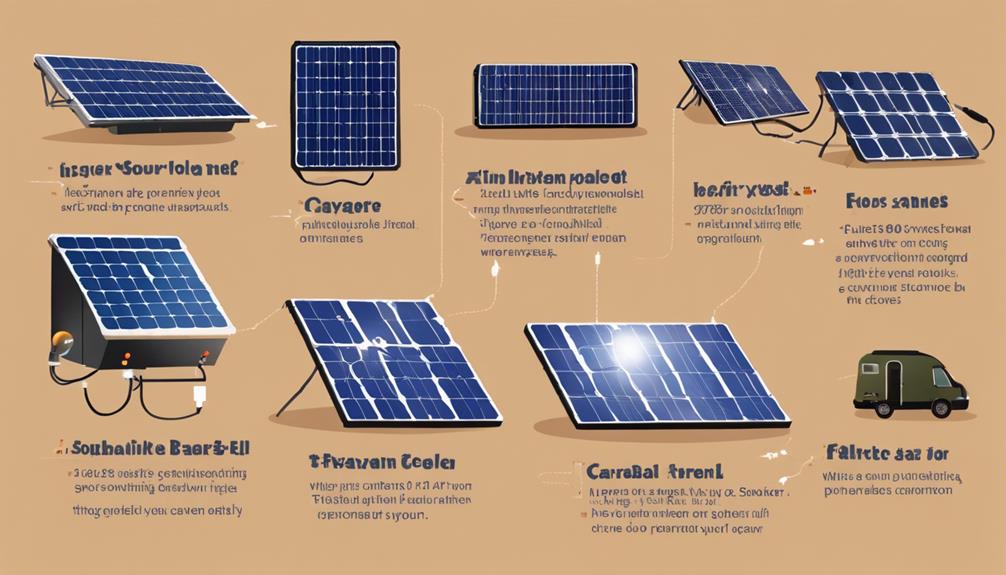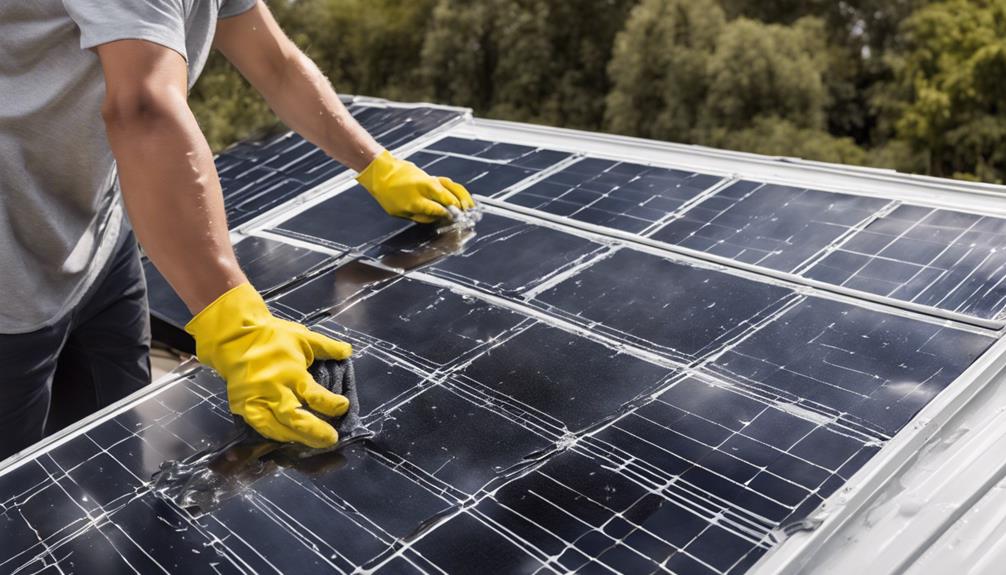
As interest in renewable energy grows, homeowners, businesses, and communities are asking practical questions about ways to incorporate solar into daily life. Solar power is no longer limited to rooftop panels on single-family homes; technological advances and falling costs make it possible to integrate solar into a wide range of applications that deliver energy savings, resilience, and environmental benefits. This article explores realistic, actionable options for adding solar to your property or operation, explains where solar energy can be used effectively, and highlights the savings and performance advantages you can expect. Implementing rooftop panels requires planning, but understanding financial and environmental benefits helps justify initial costs.
Residential rooftop and building-integrated systems
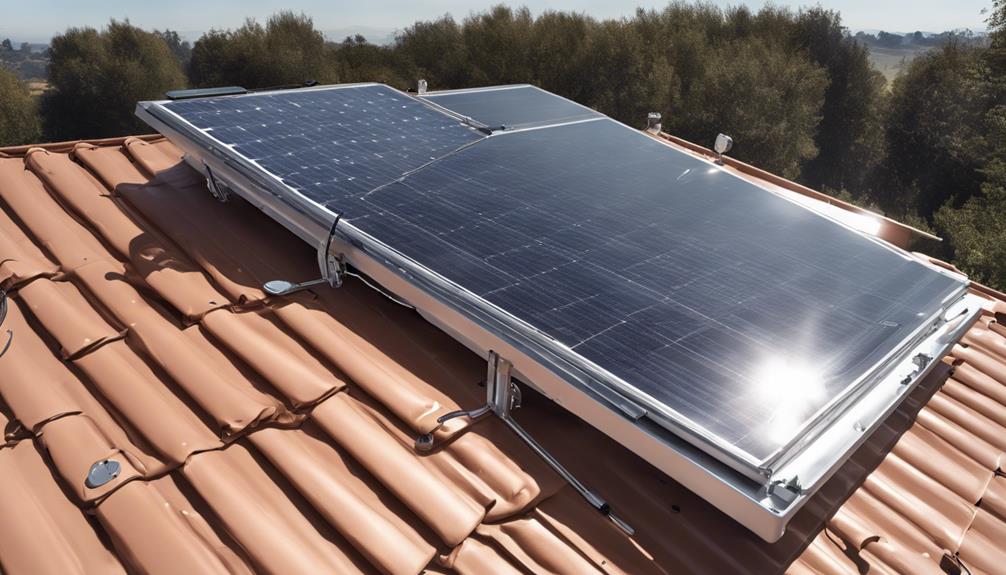
The most familiar of the ways to incorporate solar is rooftop photovoltaic panels. Modern solar panels can be installed on sloped or flat roofs and connected to inverters that feed electricity directly into a home’s electrical system. Beyond traditional rack-mounted arrays, building-integrated photovoltaics replace roofing materials with solar shingles or tiles to preserve aesthetics. Homeowners benefit from lower utility bills, potential net metering credits, and increased property value. For many, combining panels with a battery system preserves power during outages and improves load shifting to maximize savings.
Commercial, industrial, and large-scale installations
Businesses and industrial sites have more roof area and power demand, making commercial solar an attractive investment. Solar arrays on warehouses, factories, and big-box stores can significantly reduce operating costs and hedge against rising electricity prices. Additionally, community solar farms and leasing arrangements provide options for organizations without suitable roofs. When considering where can solar energy be used in a commercial setting, think beyond rooftops to parking lot canopies that provide shade while generating electricity, or ground-mounted systems on unused land that serve multiple tenants or feed into a microgrid for enhanced reliability.
Off-grid, remote, and agricultural uses
Solar opens possibilities in locations without reliable grid access. Farms and ranches can use solar to power irrigation pumps, electric fences, and remote sensors, cutting fuel costs associated with diesel generators. Small off-grid homes, cabins, and telecommunications sites commonly rely on solar combined with battery storage for dependable power. In agriculture, solar-powered water pumping and cold storage reduce spoilage and increase efficiency. These practical uses demonstrate where solar energy can be used to provide resilient, low-maintenance service in remote or infrastructure-poor environments.
Transportation, electric vehicle charging, and integrated systems
As transportation electrifies, another set of ways to incorporate solar is through on-site EV charging. Residential and commercial chargers paired with rooftop or canopy solar reduce the carbon intensity of vehicle miles and lower fueling costs. Businesses can offer solar-powered charging stations as an amenity or revenue stream. Beyond cars, solar is being used to power street lighting, bike-share stations, and even small boats. Integration with smart energy management systems enables charging when solar output is highest and shifts loads when grid prices spike, enhancing savings. When planning installations, consider the sun's renewable nature to prioritize long-term solar adoption strategies.
Community, municipal, and public-benefit projects
Communities can adopt solar through public projects at schools, libraries, parks, and municipal buildings. These installations save taxpayer dollars, provide educational opportunities, and demonstrate local leadership in sustainability. Community solar programs allow renters and homeowners with unsuitable properties to subscribe to shared arrays, distributing savings more equitably. Where can solar energy be used within a community often includes rooftops, brownfield redevelopments, and transportation corridors. In all cases, community-scale projects yield bulk procurement advantages and can be paired with energy efficiency measures to maximize overall benefits.
Energy storage, smart controls, and maximizing savings
Incorporating solar most effectively requires planning around storage and control systems that capture its full value. Battery storage allows users to keep excess midday generation for use during evenings or outages, providing resilience and reducing reliance on grid power during peak rate periods. Smart inverters and energy management platforms enable homeowners and facility managers to prioritize critical loads such as refrigeration or home security systems, automate charging of electric vehicles, and participate in demand response programs. These technologies increase the financial returns of solar installations by optimizing when and how solar energy is consumed.
When evaluating ways to incorporate solar, consider site orientation, local incentives, and long-term energy goals. Solar paired with efficiency upgrades often produces the best financial outcomes, while community and municipal projects can spread benefits more broadly. Whether you are asking where can solar energy be used on a single property or exploring broader deployments across a district, the versatility of solar makes it a practical tool for reducing energy costs, cutting carbon emissions, and improving energy independence.
In summary, the most impactful ways to incorporate solar range from rooftop panels and integrated building materials to community arrays, agricultural systems, and EV charging infrastructure. Each approach offers its own mix of savings, resilience, and sustainability benefits. By evaluating your site, leveraging available incentives, and combining solar with storage and smart controls, you can unlock significant long-term value while contributing to a cleaner energy future.