The federal ev tax credit income limit is an essential factor for consumers deciding whether an electric vehicle purchase will qualify for a federal tax benefit. As the tax rules for electric vehicles evolve, especially under recent legislation, understanding income thresholds, vehicle price caps, and how these rules interact with other clean energy incentives can help buyers plan smarter and maximize savings. This article explains the income limits for 2024, who qualifies, how the credit works with solar incentives and home charging, and practical steps to verify eligibility. Check income eligibility limits to determine whether you qualify for both federal EV credits and solar incentives.
Understanding the federal ev tax credit income limit
The federal ev tax credit income limit refers to the maximum adjusted gross income a taxpayer can have and still claim the clean vehicle credit. For new qualifying electric vehicles in 2024, the Internal Revenue Service uses adjusted gross income thresholds to determine eligibility. These limits were introduced to target the incentive toward middle- and lower-income buyers and to ensure the credit supports broader policy goals such as domestic manufacturing and sustainable transportation.
Income thresholds and related eligibility rules for 2024
For new electric vehicles, the key income thresholds in 2024 are: $150,000 for single filers, $225,000 for heads of household, and $300,000 for married couples filing jointly. If your adjusted gross income exceeds these amounts for the tax year in which you take possession of the vehicle, you generally will not be eligible for the federal ev tax credit. There is also a separate used vehicle credit with lower income caps—$75,000 for single filers, $112,500 for heads of household, and $150,000 for married couples filing jointly—and different credit limits for used EVs.
Beyond income, eligibility for the federal ev tax credit 2024 depends on vehicle-specific rules. These include MSRP caps for new vehicles, battery critical mineral and component requirements, and a final assembly location requirement. Price caps for new cars are commonly set at $55,000 for most passenger cars and $80,000 for SUVs, vans, and pickup trucks. For used vehicles, there is a purchase price limit (for example, $25,000) and the credit is generally lower—up to $4,000 or 30 percent of the sale price, whichever is less.
Practical implications for buyers and car choice
Knowing the federal ev tax credit income limit can influence both the timing of a purchase and the model you choose. Buyers near the income thresholds should calculate their expected adjusted gross income for the tax year when they will take possession of the vehicle. Because the credit is tied to AGI and other vehicle qualifications, a purchase late in a calendar year could affect eligibility if your earnings vary year to year.
Car shoppers should also verify a vehicle’s eligibility before purchase. Automakers and dealerships often publish lists of eligible models, but it is wise to confirm the vehicle’s eligibility with up-to-date IRS guidance or manufacturer documentation. Eligibility can change as vehicles meet or fail to meet battery sourcing or assembly rules over time. In some cases, choosing a model with a lower MSRP or a qualifying domestic assembly can make the difference between receiving the full federal ev tax credit and getting no federal benefit at all.
How the federal ev tax credit works with solar incentives and home charging
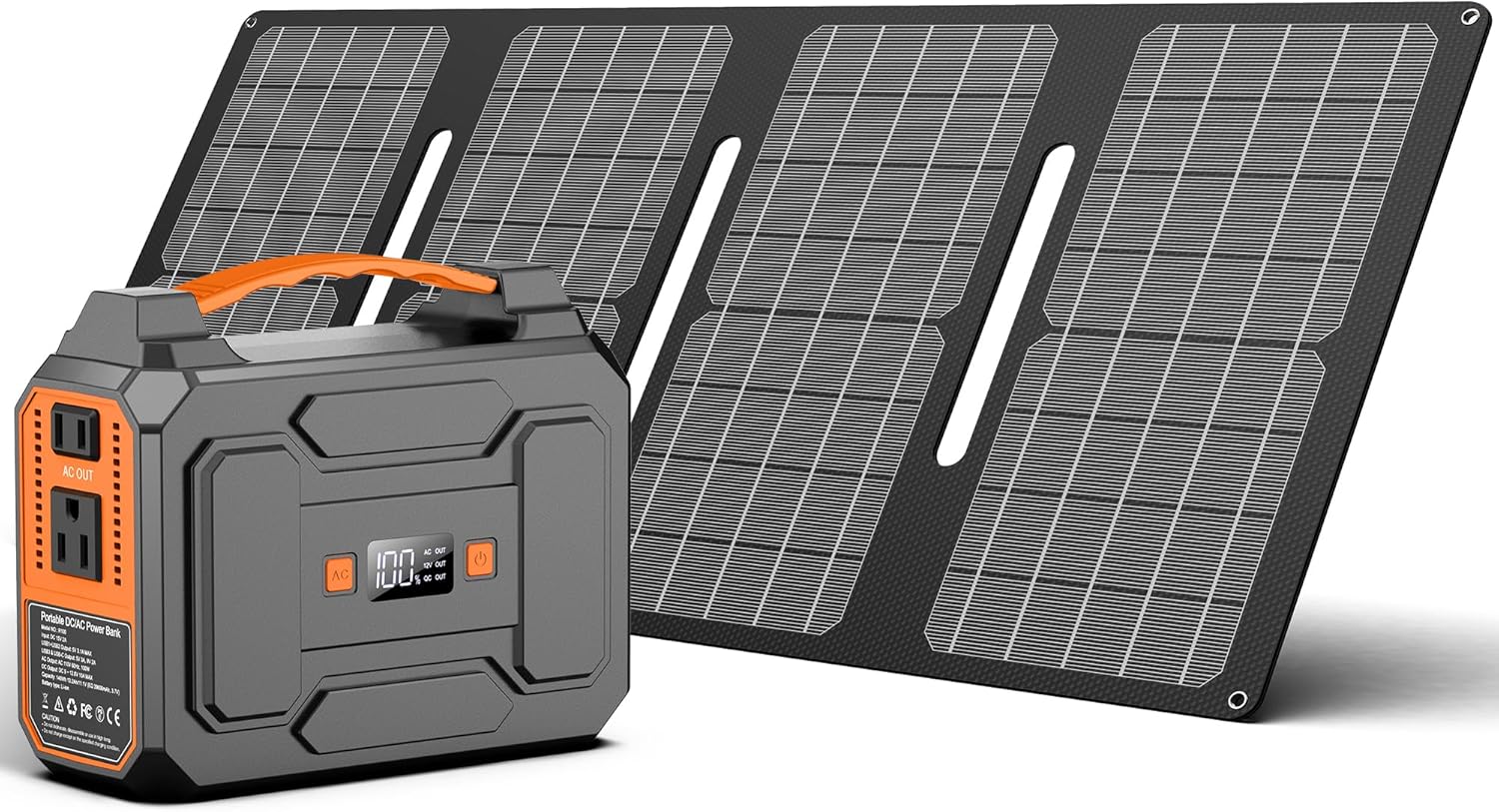
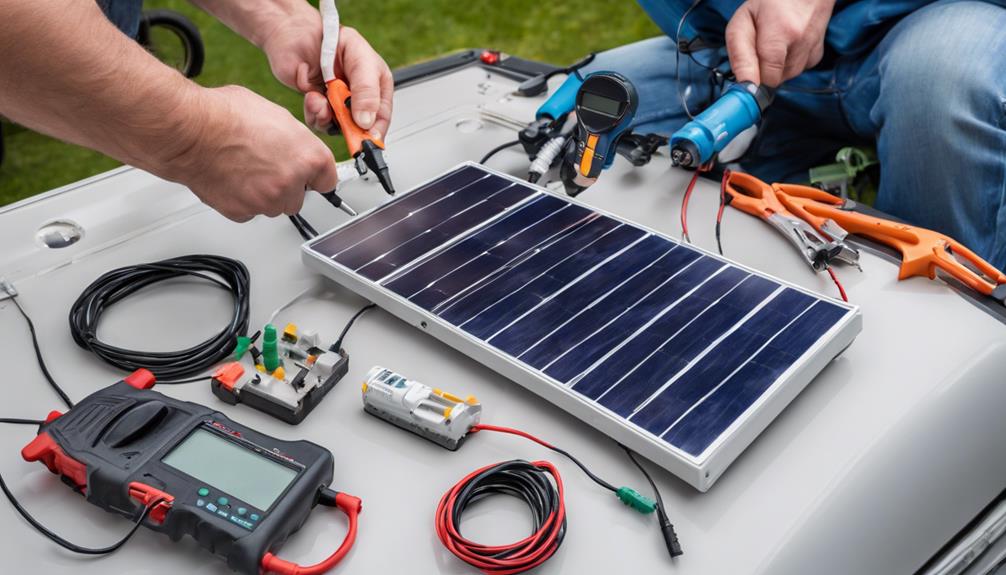
For homeowners looking to electrify transportation as part of a broader energy strategy, combining an electric vehicle purchase with solar panels and a home charging solution can multiply savings. Solar incentives and rebates in the US, including the residential clean energy tax credit, can reduce the cost of rooftop solar installations and energy storage systems. When you pair rooftop solar with an EV charger, you can lower the operating cost of charging and maximize the value of both the solar investment and the tax credit electric vehicle incentives. Review federal income limit guidance before claiming a Pennsylvania deduction for your residential solar fan installation.
For example, the residential clean energy tax credit provides a percentage of the cost back to homeowners for qualifying solar and storage systems, while some states and utilities offer additional rebates for vehicle chargers. Together, these incentives can reduce dependence on grid electricity during peak times and increase the overall return on investment for homeowners adopting both solar and electric vehicles.
Steps to confirm eligibility and claim the credit
1. Estimate your adjusted gross income
Start by projecting your adjusted gross income for the tax year in which you will take ownership of the vehicle. Use recent pay stubs, year-to-date earnings, and other income sources to arrive at an estimate. If your projected AGI is near the threshold, consult a tax professional about timing the purchase or using tax planning strategies to reduce AGI.
2. Verify the vehicle’s eligibility
Check manufacturer documentation, the IRS guidance, and any public eligibility lists for the specific model, trim, and build date of the vehicle you plan to buy. Confirm MSRP limits and battery sourcing or assembly rules that could affect qualification for the federal ev tax credit 2024.
3. Keep detailed records and claim correctly
When you file taxes, you will need the vehicle information, purchase documentation, and any manufacturer-provided statements required by the IRS. The credit is typically claimed using IRS forms relevant to the clean vehicle credit and reported on your federal income tax return for the year you took possession of the vehicle.
Conclusion
The federal ev tax credit income limit is a critical element when planning an electric vehicle purchase, especially in 2024 as eligibility rules continue to evolve. Understanding the income thresholds, vehicle price caps, and additional qualification criteria will help buyers determine whether they can claim the credit and how much they might save. Pairing an eligible vehicle with solar incentives and effective home charging strategies can further increase long-term savings and environmental benefits. Before you buy, estimate your adjusted gross income, verify the vehicle’s eligibility, and consult a tax professional if needed to make the most of available incentives.