Reducing energy wastage is one of the most effective ways homeowners can lower bills, improve comfort, and shrink their carbon footprint. Small changes in everyday habits and targeted home improvement projects can eliminate common inefficiencies that lead to wasted energy. This article explores the primary causes of energy waste, practical steps you can take immediately, and larger upgrades that offer long-term savings. Whether you are preparing for a renovation or simply want to make your home more efficient, these strategies will help you identify waste and convert it into value. To lower bills and improve comfort, homeowners should explore practical ways to reduce energy waste through insulation and appliances.
Understanding energy wastage in homes
Energy wastage occurs when electricity, gas, or other heating sources are used inefficiently or lost through the building envelope. In a typical home, heating and cooling account for the largest share of energy use, followed by water heating, appliances, lighting, and electronics. Heat leaks through poorly insulated roofs and walls, drafts around windows and doors, and inefficient HVAC systems all contribute to energy waste. Beyond structural issues, behavior such as leaving lights on, overcooling in summer, or using appliances during peak hours can compound consumption. Recognizing where wastage happens is the first step toward prioritizing improvements that deliver measurable savings.
Common sources of energy waste and real-life examples
One frequent source of energy waste is an inefficient heating system. For example, an older furnace with a clogged filter or improper sizing can cycle longer and use more fuel to reach set temperatures. Another common culprit is poor insulation: a homeowner in a cold climate might crank up the thermostat without realizing that heat is escaping through attic gaps and uninsulated walls. Lighting and standby power are everyday offenders too; leaving multiple incandescent bulbs on in unused rooms and keeping TVs and chargers plugged in overnight wastes electricity. Even seemingly small issues, such as incorrect refrigerator door seals or running the dryer with a blocked vent, produce noticeable energy loss over time.
Practical steps to reduce energy wastage today
Start by addressing the low-cost, high-impact actions. Sealing gaps around windows and doors with weatherstripping and caulk reduces drafts and the workload for your heating and cooling systems. Swapping out incandescent bulbs for LEDs immediately cuts lighting energy use while improving longevity. Regular HVAC maintenance—cleaning filters, checking ductwork for leaks, and scheduling annual tune-ups—keeps systems operating efficiently. Installing a programmable or smart thermostat helps avoid heating or cooling empty rooms by creating schedules that match occupancy. Simple behavior changes, like line-drying clothes when possible or running full dishwasher loads, also reduce waste without major investment. Reducing energy wastage becomes simpler when installing a smart energy tracker to identify inefficient appliances.
Home improvement projects that reduce long-term energy waste
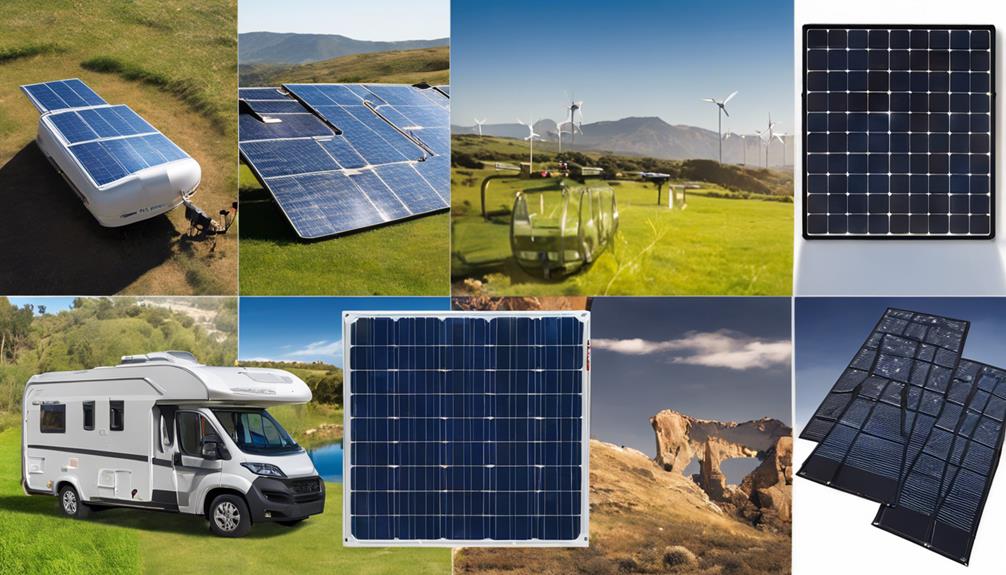
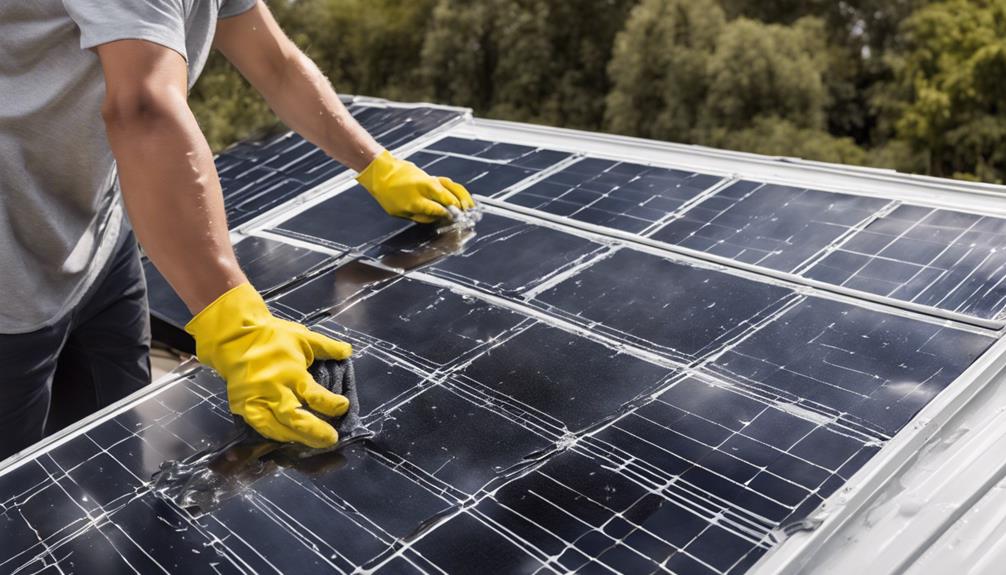
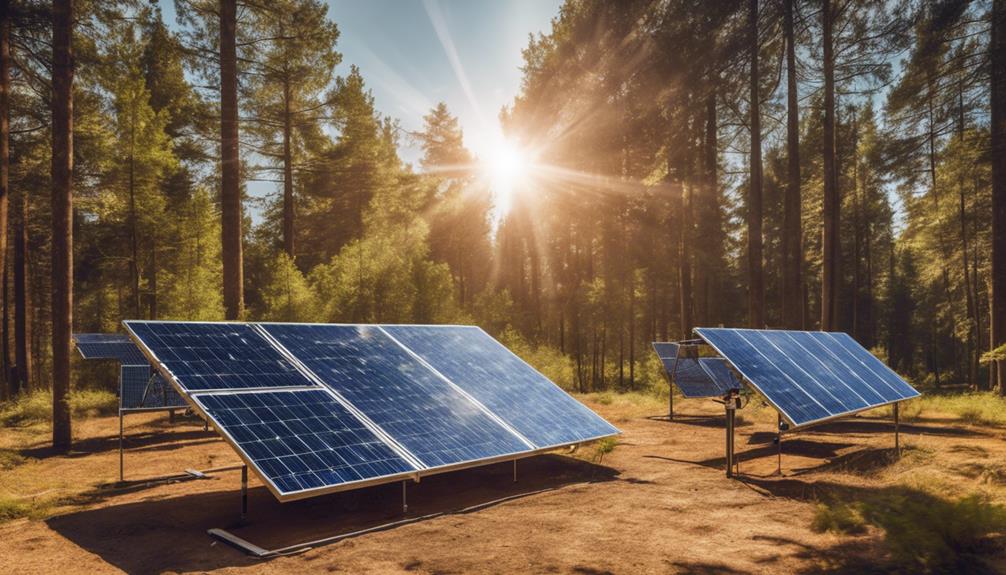
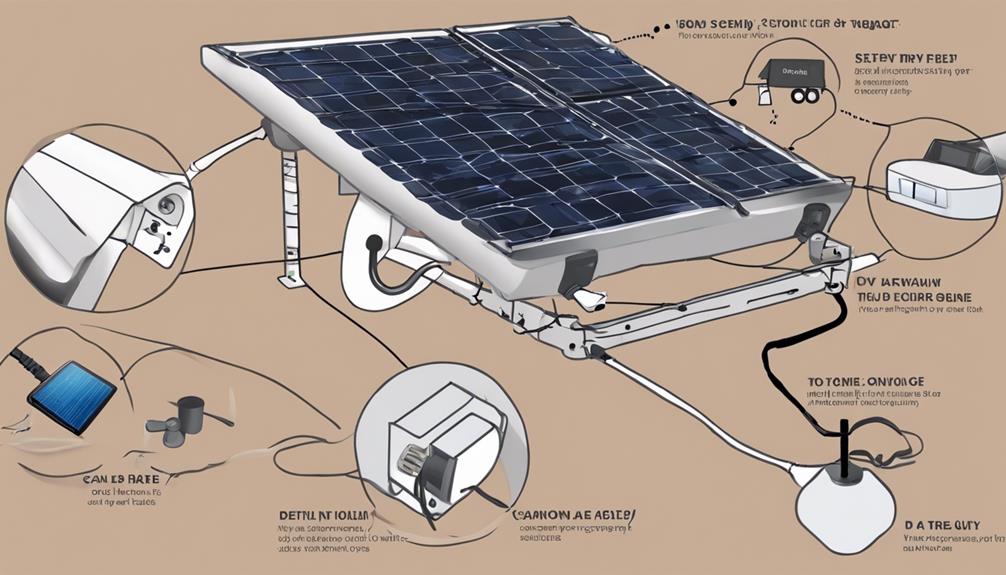
For larger gains, consider targeted home improvement projects that address the building envelope and major systems. Upgrading insulation in attics and exterior walls can dramatically lower heating and cooling needs, especially in older homes. Replacing single-pane windows with double- or triple-pane units reduces heat transfer and improves comfort, though adding storm windows or proper window treatments can also help at lower cost. Replacing an aging furnace or air conditioner with a high-efficiency model or switching to a heat pump often yields substantial energy savings and can be paired with smart zoning for even better performance. For many homeowners, investing in a high-efficiency water heater or installing solar panels to offset grid electricity becomes cost-effective when combined with reduced energy waste elsewhere in the home.
Measuring, monitoring, and validating reduced energy waste
Quantifying improvements helps prioritize projects and verify savings. Start with a simple energy audit, either professional or DIY, to identify obvious problems like drafts, inadequate insulation, or inefficient appliances. Smart meters and home energy monitors provide real-time data on consumption patterns and make it easier to spot spikes or phantom loads at specific times. Thermal imaging cameras, now affordable for consumer use or available through many audit services, visually reveal heat loss points in walls, windows, and roofs. After implementing measures, compare utility bills across similar weather periods and use monitoring tools to confirm that reductions in energy usage are sustained.
Reducing energy wastage improves home comfort, lowers utility bills, and supports environmental goals. Start with simple changes—sealing leaks, switching to LED lighting, and tuning HVAC systems—then move to larger improvements like insulation and efficient heating systems as budget allows. By measuring energy use before and after upgrades, homeowners can focus on the interventions that produce the biggest returns. Taking a proactive approach to eliminate energy waste turns small investments into long-term savings and a more comfortable, sustainable home.