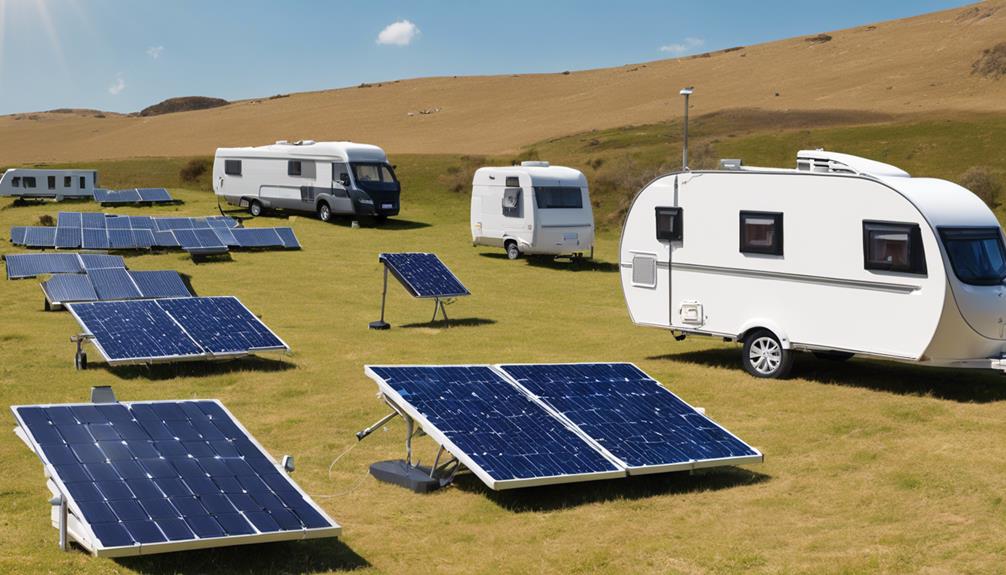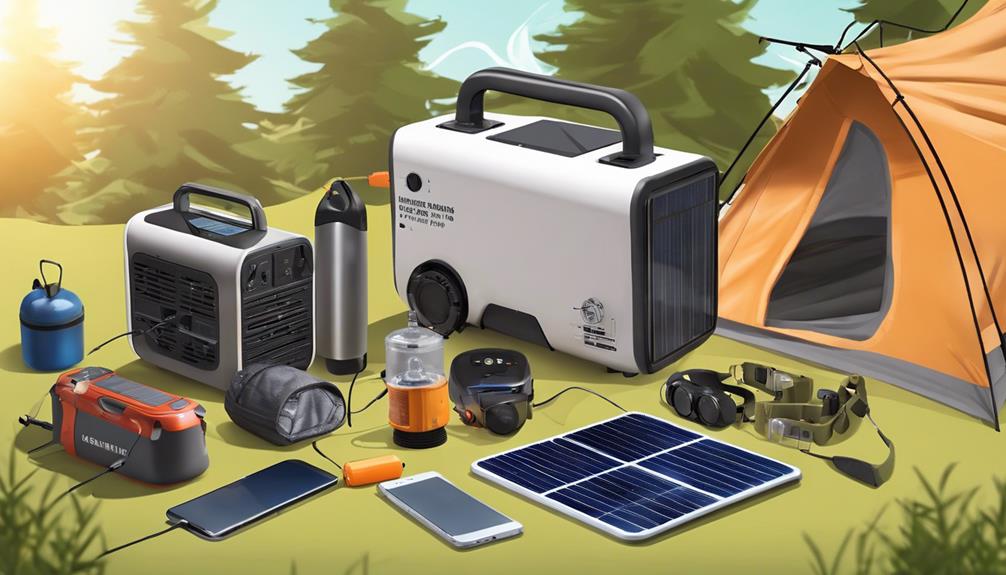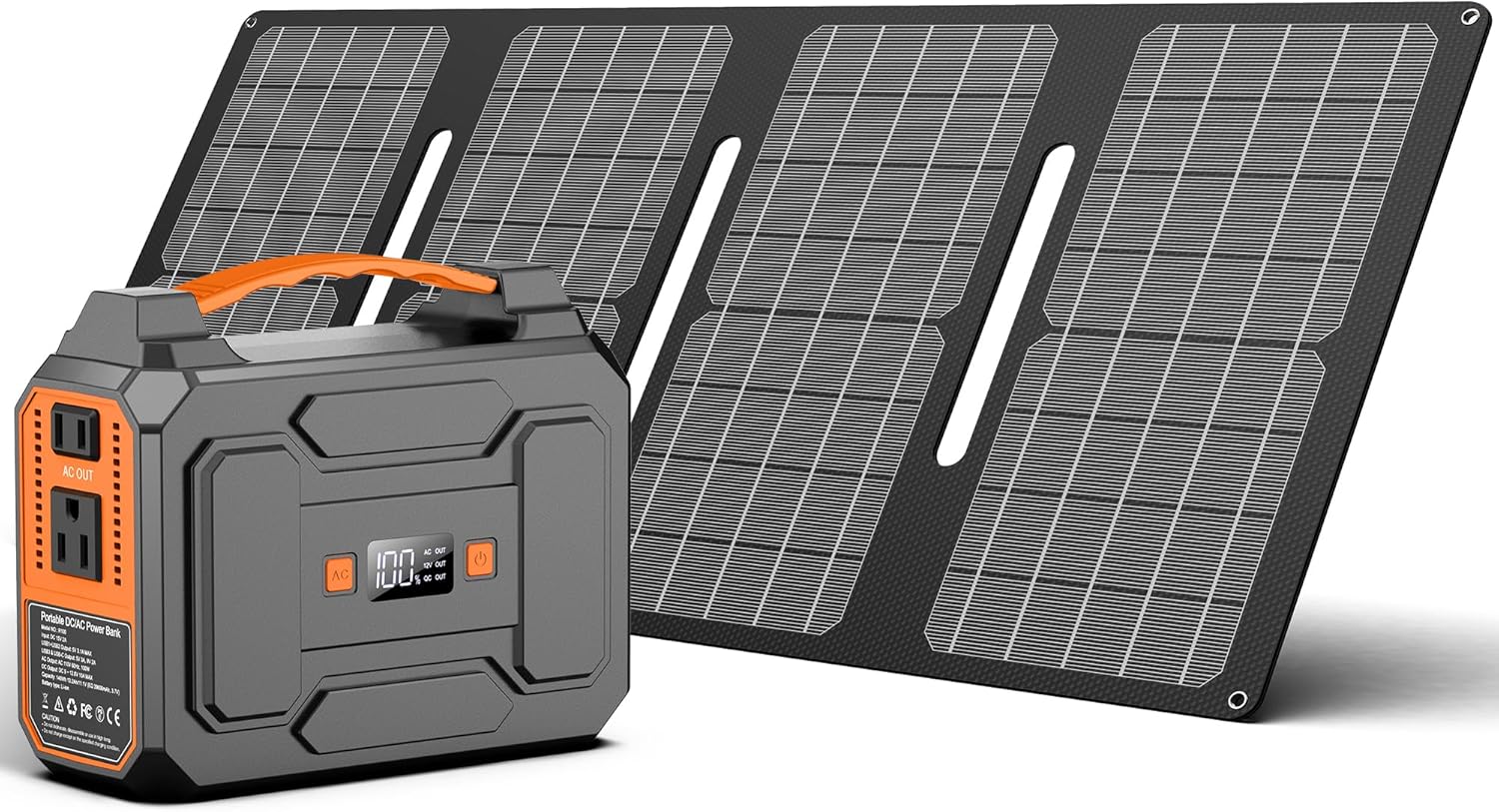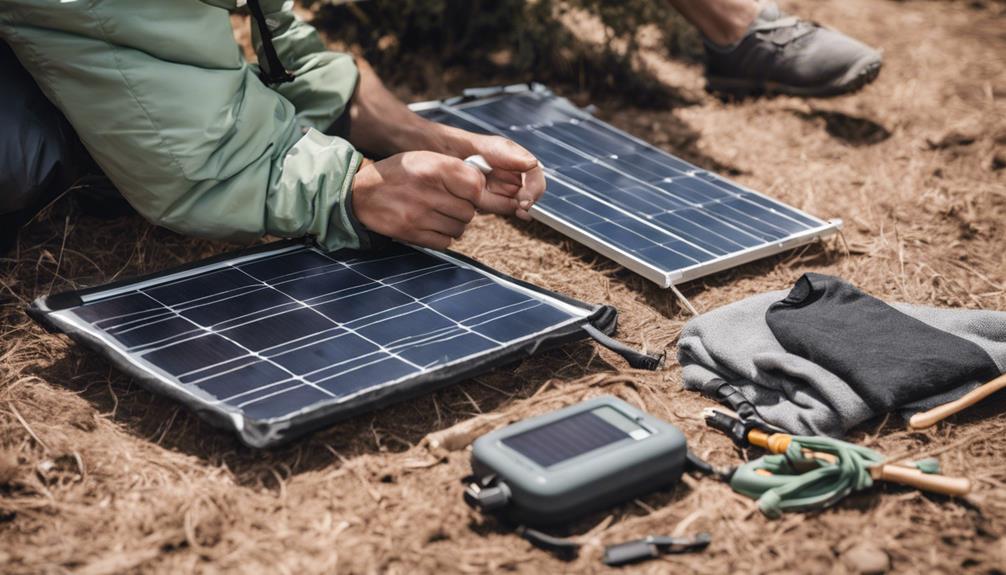
As more homeowners invest in renewable energy, selecting the right storage solution becomes essential. A deep cycle lithium battery offers high efficiency, long life, and compact size compared with conventional lead-acid options, making it a popular choice for home solar battery storage. This article explains what a deep cycle lithium battery is, how it compares to other chemistries, practical sizing tips for a 12 volt system, and real-world use cases to help you decide whether it fits your household energy plan. Explore how deep-cycle lithium batteries integrate with home solar battery storage systems for reliable energy backup.
What is a deep cycle lithium battery?
A deep cycle lithium battery is a rechargeable battery designed to be regularly discharged to a large portion of its capacity and then recharged repeatedly. Unlike starter batteries used in cars, which provide short bursts of high current, deep cycle batteries deliver sustained power over extended periods. Modern lithium ion deep cycle battery designs, often based on lithium iron phosphate (LiFePO4) chemistry, prioritize cycle life, thermal stability, and depth of discharge. These features make them well suited for daily cycling in solar storage systems where energy is drawn overnight and replenished during the day.
Advantages over traditional lead-acid storage
When comparing a deep cycle lithium battery to lead-acid alternatives, several benefits stand out. Lithium batteries typically offer higher usable capacity because they can safely discharge to 80–100 percent of their rated capacity without severe degradation, whereas lead-acid batteries are commonly limited to 50 percent depth of discharge for longevity. Lithium systems also have a longer cycle life, often exceeding 3,000 to 5,000 cycles depending on chemistry and operating conditions. In addition, they are lighter and more compact, freeing up space in a garage or utility closet. Efficiency gains mean more of the energy captured by solar panels is actually available for home use, which improves return on investment for a home solar battery storage project.
Sizing a 12 volt lithium ion deep cycle battery for home use
Many residential systems use modular battery units, and a 12 volt lithium ion deep cycle battery can be an appropriate building block for small to medium setups. Start by estimating your nightly energy consumption—common loads include refrigeration, lighting, Wi-Fi, and essential home security systems. Multiply the average wattage by the hours of use to calculate the kilowatt-hours needed each night. When using a 12v lithium ion battery deep cycle configuration, convert that energy requirement into amp-hours at 12 volts to determine how many batteries or battery modules you will need. Remember to account for inverter efficiency and desired days of autonomy in case of cloudy weather. It is also prudent to consider future load growth, such as additional appliances or electric vehicle charging, when choosing capacity.
Considerations for battery bank configuration
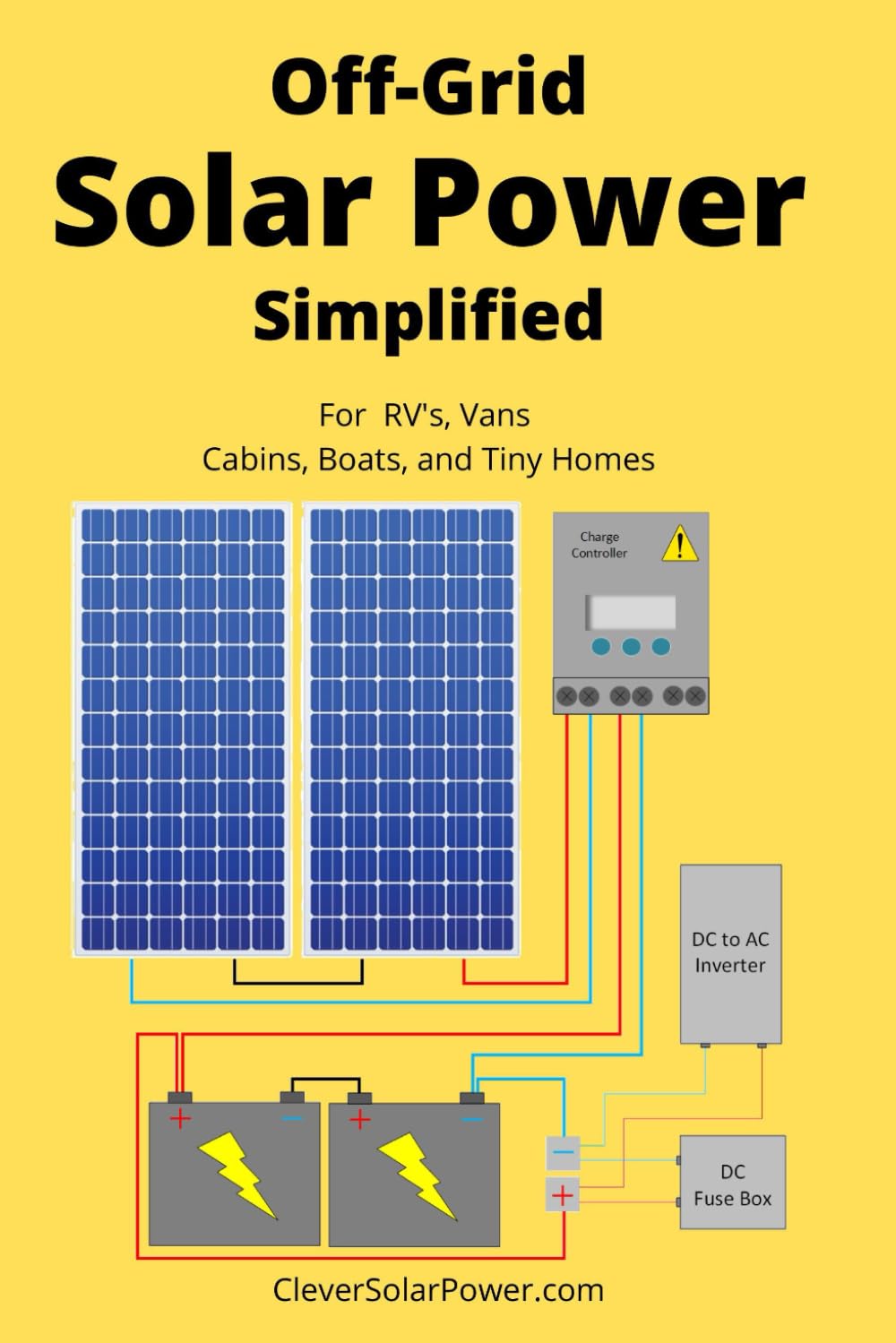
When planning a bank with 12 volt modules, pay attention to system voltage, inverter compatibility, and the battery management system (BMS). Some homeowners prefer higher nominal system voltages like 24V or 48V for larger installations because they reduce current for the same power level and allow smaller gauge wiring. If you choose 12 volt cells, they can be paralleled or used with a compatible inverter designed for 12 volt battery banks, but ensure the BMS supports balancing and protection across the entire array. Consider a solar charging setup to reliably replenish deep cycle lithium batteries from a 12V PV system.
Installation, maintenance, and safety
Installing a deep cycle lithium battery for home solar battery storage should follow best practices to maximize lifespan and safety. Proper ventilation, secure mounting, and adherence to manufacturer charge and temperature ranges are crucial. Unlike lead-acid batteries, lithium batteries do not require regular water top-ups and are less prone to sulfation, reducing maintenance. However, they do require a reliable battery management system that prevents overcharge, over-discharge, and thermal runaway. Professional installation is recommended to size fusing, disconnects, and the inverter/battery interface correctly. Fire safety considerations differ from traditional batteries; while lithium iron phosphate chemistry is among the safest lithium formulations, a clear emergency plan and installation in a location that minimizes risk remain important.
Practical use cases in a home solar battery storage system
Deep cycle lithium batteries serve a wide range of home energy applications. For off-grid cabins or tiny homes, a compact 12v lithium ion battery deep cycle bank can deliver dependable power day and night without the bulk of lead-acid alternatives. In grid-tied homes, these batteries provide backup power during outages and enable load shifting—charging when solar production is high or utility rates are low, and discharging during peak pricing to lower electricity bills. Homeowners looking to pair battery storage with home security or smart home systems benefit from the predictable output and fast response times of lithium systems, which can support critical loads like medical devices or refrigeration during extended outages. Additionally, integrating a lithium ion deep cycle battery into an existing solar array often boosts usable energy, helping households reach greater self-consumption of their generated solar power.
Cost, longevity, and return on investment
Upfront cost for a deep cycle lithium battery is typically higher than lead-acid, but total cost of ownership often favors lithium due to longer life, higher usable capacity, and lower maintenance. A well-designed lithium storage system can retain significant capacity for many years, providing predictable performance and reducing replacement frequency. When analyzing return on investment, consider incentives, local electricity rates, demand charges, and the value of backup power. In many markets, the long-term savings from increased solar self-consumption and avoided grid charges can offset the initial premium for a higher-quality lithium system.
Choosing a deep cycle lithium battery for your home solar battery storage depends on your energy needs, budget, and preferences for maintenance and longevity. By understanding the benefits, sizing considerations, and practical applications of lithium ion deep cycle batteries—especially common 12 volt configurations—you can make an informed decision that enhances your solar setup and strengthens energy resilience for your household.