Monocrystalline silicon solar panels are a leading choice for homeowners who want efficient, reliable residential solar panels. Built from single-crystal silicon, these panels offer high energy density and a sleek appearance that fits well on pitched roofs and in compact installations. This article explains how monocrystalline panels work, their advantages for home use, real-world installation options, and what to consider when shopping for mono silicon solar cells or a complete monocrystalline pv module.
What are monocrystalline silicon solar panels?
Monocrystalline silicon solar panels are made from wafers cut from a single continuous crystal of silicon. Each solar cell monocrystalline piece typically appears uniform and dark, reflecting light differently than polycrystalline alternatives. Because the crystal lattice is uninterrupted, monocrystalline silicon solar cells tend to convert sunlight to electricity more efficiently than other silicon technologies. You may see them called mono si solar panels, mono crystalline modules, or monocrystalline pv panels in product listings; all refer to the same basic technology.
Why homeowners choose monocrystalline solar panels
For residential solar projects, the primary appeal of monocrystalline solar module technology is efficiency. Monocrystalline pv cells deliver higher wattage per square foot compared with polycrystalline or thin-film options, making them ideal when roof space is limited. Monocrystalline photovoltaic panels also have strong temperature coefficients, meaning they retain performance better on hot summer days. Aesthetics matter for many homeowners: the uniform dark look of mono silicon solar panels is often preferred for modern rooflines and visible installations.
Durability and long service life are additional benefits. Monocrystalline silicon panels commonly come with robust warranties, and because each cell is a single crystal, failure modes are often slower and more predictable. Whether you are evaluating mono pv panels for a suburban rooftop or choosing mono solar panel options for a detached garage, monocrystalline panels strike a practical balance of performance and longevity for residential use.
Sizing, performance, and the cost of monocrystalline solar panels
Selecting the right monocrystalline pv module begins with understanding energy needs and roof constraints. A typical residential system uses panels rated between 300 and 400 watts each, though higher-efficiency monocrystalline solar panels for sale now commonly exceed 400 watts as cell and module design improve. The cost of monocrystalline solar panels varies by brand, efficiency, and panel size. When evaluating monocrystalline silicon panels price or monocrystalline solar panel price, factor in not just per-watt cost but system output, inverter compatibility, and installation labor.
For budgeting, homeowners often compare the upfront monocrystalline solar panels price against expected annual production and incentives. Modern mono si solar cells produce more electricity per panel, which can reduce the number of panels needed and lower balance-of-system costs. If you are calculating return on investment, include energy bill savings, local rebates, and potential increases in property value when assessing the cost-benefit of mono silicon solar cells versus other options.
Installation and practical residential use cases
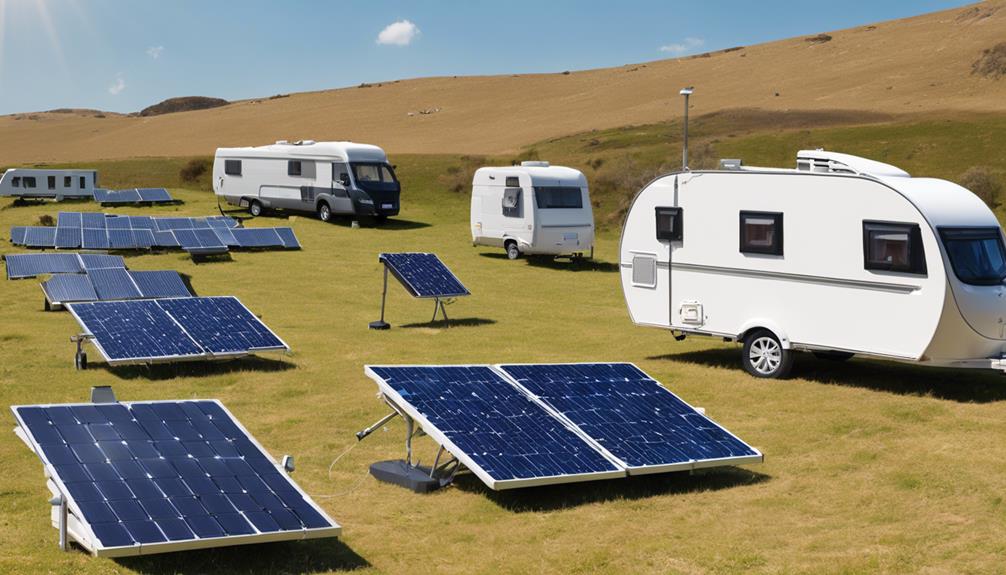
Monocrystalline photovoltaic panels are versatile in residential settings. The most common use is rooftop installation on asphalt, tile, or metal roofs. Because mono cell modules are space-efficient, they are a strong choice for smaller roofs or homes with limited southern exposure. Ground-mounted systems are another practical use when roof area is insufficient or when orientation and tilt can be optimized for maximum yield.
Battery storage and off-grid scenarios
Pairing monocrystalline solar module arrays with battery storage enables homeowners to shift to self-consumption, improve resiliency, and reduce peak-time grid demand. In off-grid cabins or for backup power at home, using high-efficiency monocrystalline photovoltaic cell technology reduces the number of panels and batteries required to meet energy needs. Hybrid inverter setups and smart energy management systems further increase the value of mono crystalline panels in modern residential systems.
Small-scale and DIY projects
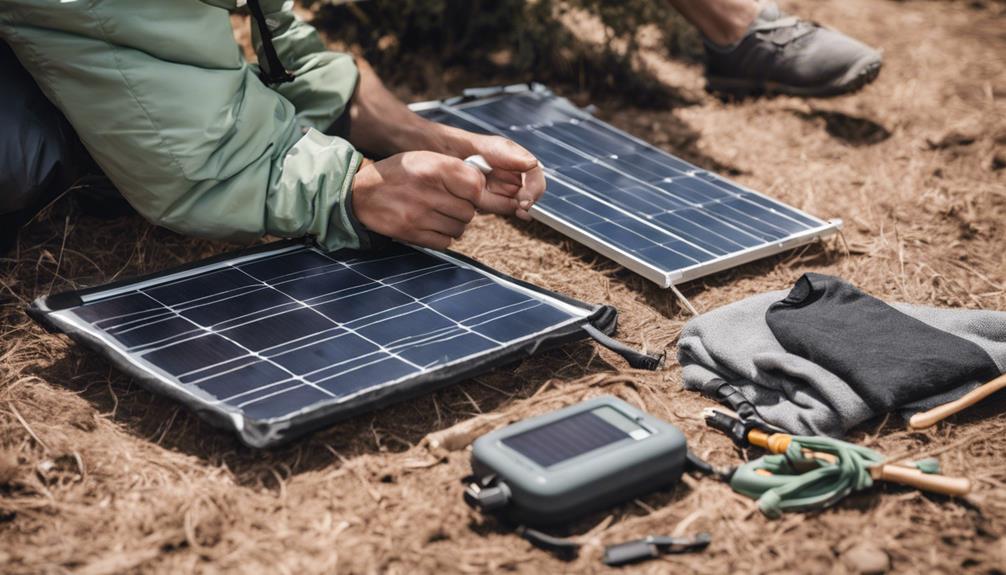
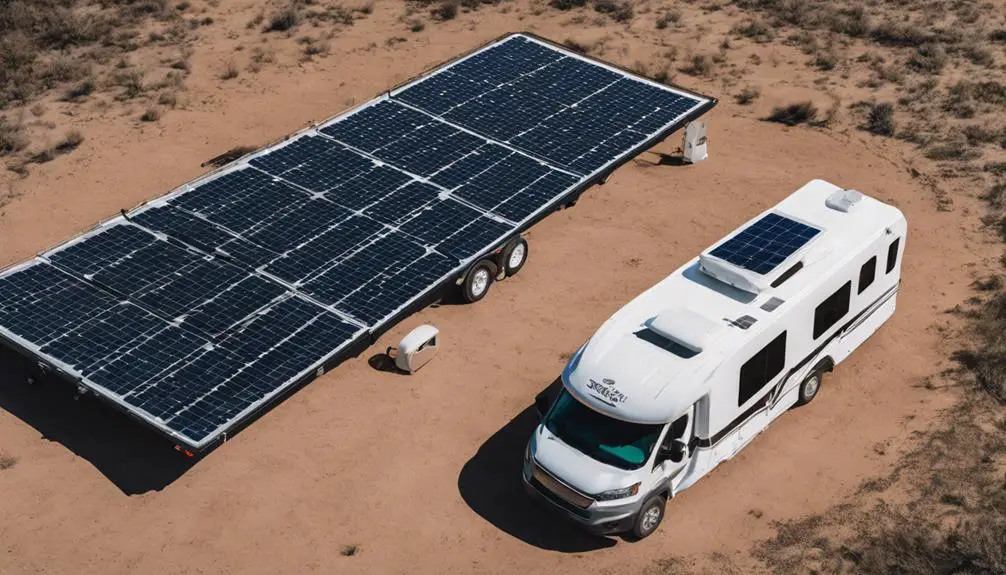
Smaller mono pv panels and mono silicon solar cells are popular for DIY projects like RV roofs, tiny homes, or garden sheds. The mono cell construction delivers more power from compact panels, making them suitable for mobile and constrained applications where every watt counts.
Maintenance, lifespan, and warranty considerations
Maintenance for monocrystalline panels is straightforward: periodic cleaning to remove dust, leaves, and bird droppings will keep production near peak levels. Monocrystalline photovoltaic panels typically have lifespans of 25 years or more, with many manufacturers offering performance warranties that guarantee a high percentage of rated output over two to three decades. When shopping for monocrystalline solar panels for home installation, check the warranty terms, degradation rate, and the manufacturer’s reputation for support.
Long-term value is also shaped by installation quality. Proper mounting, correct stringing or use of microinverters, and good electrical protection help ensure that your monocrystalline pv cell array performs reliably. Regular inspections by a certified installer help catch issues early and maintain system efficiency.
Making the purchase: what to look for
When comparing monocrystalline silicon solar panels for sale, look beyond the sticker price to efficiency ratings, temperature coefficient, frame and glass quality, and the manufacturer warranty. If space is limited, prioritize higher-efficiency mono crystalline solar panels. If budget is the main concern, calculate overall system cost per kilowatt-hour rather than only the monocrystalline silicon solar panels price per watt. Ask installers about expected annual output for your location and request performance data from similar installations. Certified products and reputable installers make it easier to realize the long-term benefits of monocrystalline photovoltaic panels.
Choosing monocrystalline silicon solar panels for a residential project means investing in high-efficiency, space-saving technology that suits many home layouts and energy goals. From rooftop systems and ground mounts to battery-backed setups and small DIY applications, mono silicon solar cells provide flexibility, reliable performance, and strong longevity. Evaluate efficiency, price, warranties, and installation quality to determine whether monocrystalline pv panels are the right fit for your home and energy plans.