Choosing the right inverter battery price for your home solar battery storage system is a decision that affects both upfront costs and long-term savings. Prices vary widely depending on battery chemistry, capacity, depth of discharge, and whether you plan to pair the battery with a dedicated battery inverter or a hybrid inverter. This article explains how inverter battery pricing works, what factors influence cost, and practical use cases to help you choose the best option for backup power, load shifting, or full home backup.
What influences inverter battery price
The inverter battery price reflects more than just the raw battery cells. Key cost drivers include battery chemistry, usable capacity (kWh), round-trip efficiency, lifecycle (number of cycles), brand reputation, and local taxes and shipping. Lead-acid batteries typically cost less per kilowatt-hour up front but deliver fewer cycles and lower usable capacity than lithium-ion options. Lithium iron phosphate (LiFePO4) batteries carry a higher initial price but provide better efficiency and longer lifespans, which often lowers the effective cost per cycle over time.
Another important factor is the type of power electronics you use. A battery inverter or a hybrid inverter adds to system cost but is essential for managing charging, discharging, and grid interactions. Installation labor, monitoring systems, and the complexity of integrating with existing solar inverters or home electrical panels can also push the total project cost higher than the inverter battery rate alone.
Common battery types and their typical price ranges
For residential solar, the two main options are lead-acid (flooded, sealed, or tubular) and lithium-ion (most commonly LiFePO4). Lead-acid batteries often appeal because of lower initial inverter battery price and familiarity among installers. However, they are bulkier, have lower depth of discharge, and require more maintenance. Expect approximate ranges rather than fixed numbers: lead-acid batteries can cost roughly $100 to $200 per kWh in many markets when purchased as bare batteries, though this varies significantly by model and capacity.
Lithium-ion batteries are more expensive up front but deliver higher usable capacity and longer life. Typical prices for residential lithium battery packs (modules designed for home solar battery storage) currently range from around $400 to $800 per kWh for the battery pack itself. When shopping, compare not just the inverter battery price but the battery’s usable kWh, warranty years, and cycle ratings to understand long-term value.
Understanding inverter battery rate and how to compare offers
The phrase inverter battery rate often refers to the price per unit of usable energy, such as dollars per kilowatt-hour of usable capacity. To compare offers accurately, divide the upfront cost by the usable kWh rather than rated capacity. For example, a 10 kWh nominal battery with only 6 kWh usable due to depth of discharge will have a higher effective rate per usable kWh than a battery with a higher depth of discharge.
Beyond upfront inverter battery rate, calculate total cost of ownership by factoring in cycle life and efficiency. A battery with a higher round-trip efficiency and longer warranty will typically cost less per cycle over its lifetime even if the sticker price is higher. Also consider the price of the battery inverter or hybrid inverter required to integrate the battery with your solar array; some systems include the inverter in package pricing while others list it separately.
Matching a battery inverter with your home solar battery storage needs
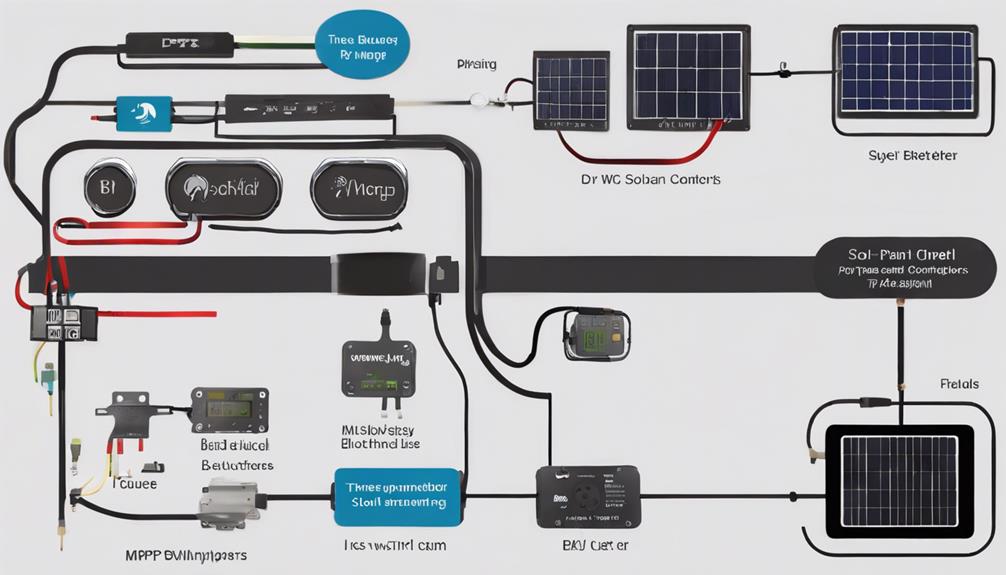
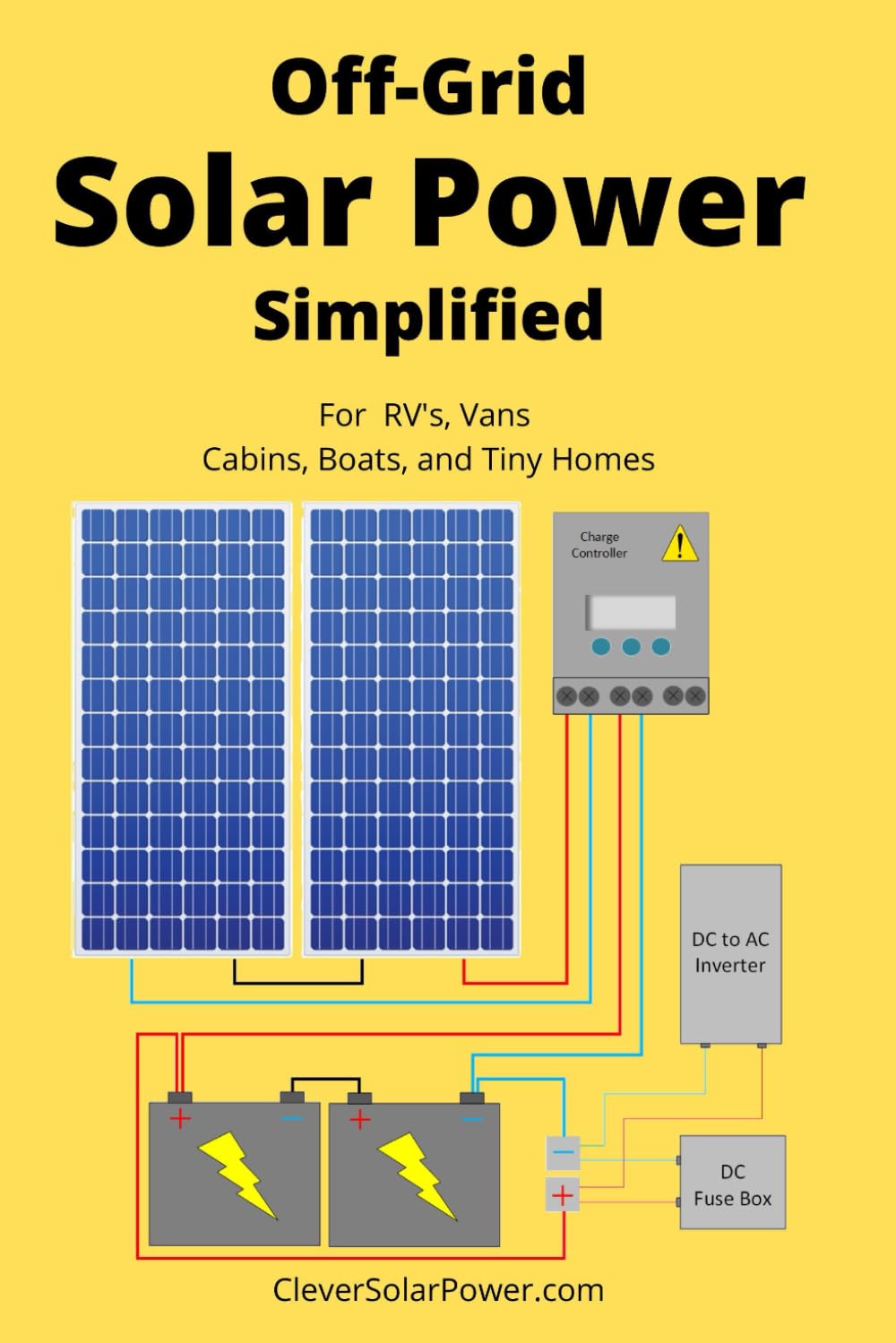
Choosing the right combination of battery and inverter is essential for safe, efficient operation. A battery inverter must support the battery chemistry, nominal voltage, and maximum charge/discharge rates of your selected battery pack. For homeowners who want simple backup power for essential circuits, a smaller battery inverter and a modest battery inverter battery combination may be sufficient. For whole-home backup or time-of-use optimization, a higher-capacity battery with a capable hybrid inverter is often necessary.
Consider practical use cases: if your goal is backup for critical loads during outages, size the battery to cover those loads at a realistic duration and choose an inverter that can support surge currents from appliances like refrigerators. If you want to shift solar generation to evening hours to reduce grid consumption, prioritize batteries with high usable capacity and efficiency. For off-grid homes, the battery and battery inverter must be sized to match peak load and charging sources such as solar or a generator.
Installation, warranties, and ongoing costs to budget for
Installation costs can add substantially to the inverter battery price. Proper mounting, wiring, safety disconnects, and permits are necessary for code compliance and safe operation. Professional installation ensures correct communication between the battery and the inverter, proper ventilation for some battery types, and safe integration with the home electrical panel. Expect installation and commissioning costs to vary by installer and region.
Warranties are a key part of the financial equation. Many lithium batteries come with warranties stating guaranteed throughput or years of service (for example, 5 to 10 years or a specified kWh). Compare warranty terms carefully to understand what is covered, including degradation limits and performance guarantees. Maintenance costs are typically low for sealed lithium packs but can be higher for lead-acid systems that require water topping, equalization, or periodic testing.
Practical tips for getting the best value
Start by defining your goals: backup duration, daily cycling for load shifting, or full off-grid capability. Request quotes that break down battery price, inverter price, installation, and permits so you can compare inverter battery rate and total installed cost. Evaluate the usable capacity and the lifecycle warranty rather than focusing only on nominal ratings. If you already have solar panels, confirm compatibility between your existing inverter and the battery inverter to avoid unnecessary replacements.
Finally, consider future expansion. If you might add more capacity later, choose a battery and inverter that support stacking or modular expansion, which can be more cost-effective than replacing a mismatched system later.
Choosing the right inverter battery price for your home solar battery storage system means balancing upfront cost with long-term performance, warranty coverage, and how the system will be used. By comparing inverter battery rate per usable kWh, evaluating battery chemistry and cycle life, and matching the battery to an appropriate battery inverter, you can find a solution that meets your reliability and budget goals while maximizing the benefits of your home solar investment.