Choosing the right battery bank for camper life can transform how you travel, camp, and live off-grid. Whether you own a small travel trailer, a large motorhome, or a converted van, a properly sized and installed battery bank gives you reliable power for lighting, refrigeration, heating controls, and electronics. This article explains chemistry options, sizing, solar integration, installation best practices, and real-world use cases so you can select a battery bank for camper that fits your lifestyle and ties into broader home solar battery storage strategies when needed.
Choosing the right battery chemistry
One of the first decisions when planning a battery bank for camper use is chemistry. Flooded lead-acid batteries are affordable and forgiving but require regular maintenance and ventilation. Sealed AGM batteries reduce maintenance and are less sensitive to vibration, making them a common choice for many RV owners. The current industry favorite for those prioritizing weight, depth of discharge, and life cycle is lithium iron phosphate (LiFePO4). Lithium batteries cost more up front but provide far more usable capacity, faster charging, and longer lifespans, which is especially valuable for frequent boondockers and full-time RVers.
Sizing your battery bank for real needs
Sizing a battery bank for rv or camper setups requires a realistic assessment of daily energy use. Start by listing appliances and electronics you plan to run off-grid, then calculate watt-hours per day. Refrigerators, space heaters, and air conditioners draw the most power, while LED lights and phone chargers are minor loads. For short trips, a smaller battery bank might suffice, but for extended off-grid stays choose a battery capacity that allows for at least two to three days of autonomy without sun or shore power. Remember to factor in inverter inefficiencies and avoid regularly discharging lead-acid batteries below 50 percent to preserve life—lithium allows deeper discharge and reduces overall bank size for the same usable energy.
Charging and integrating with solar
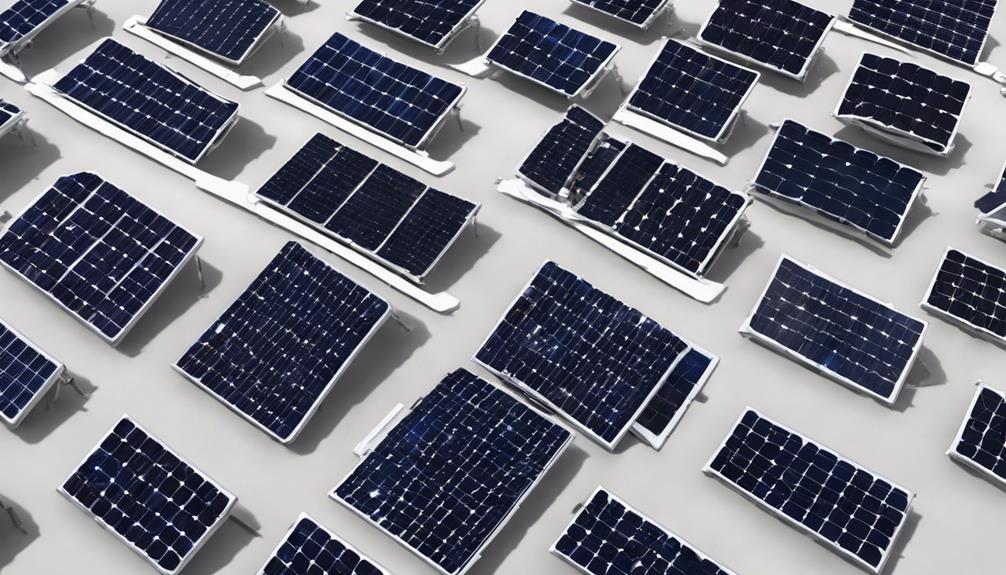
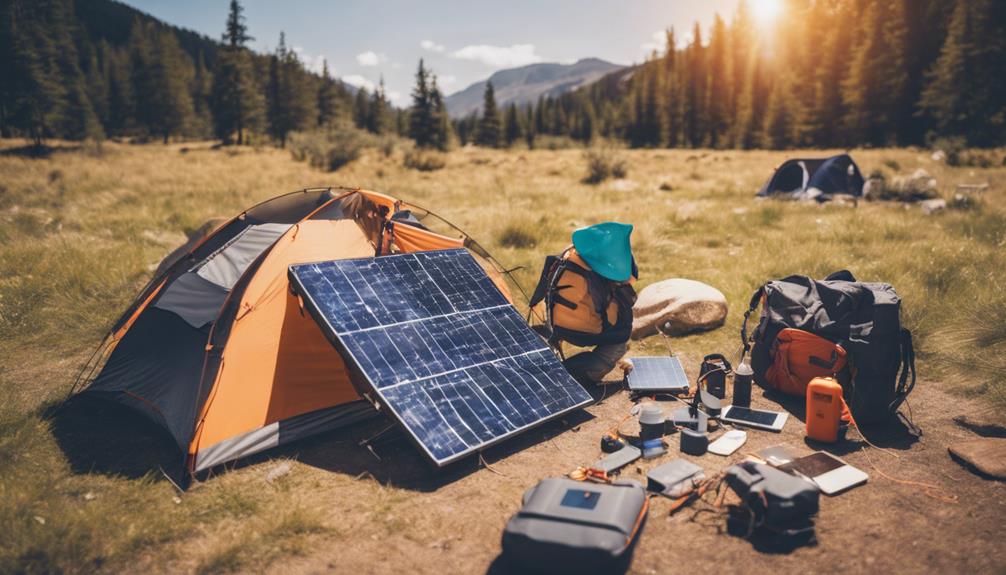
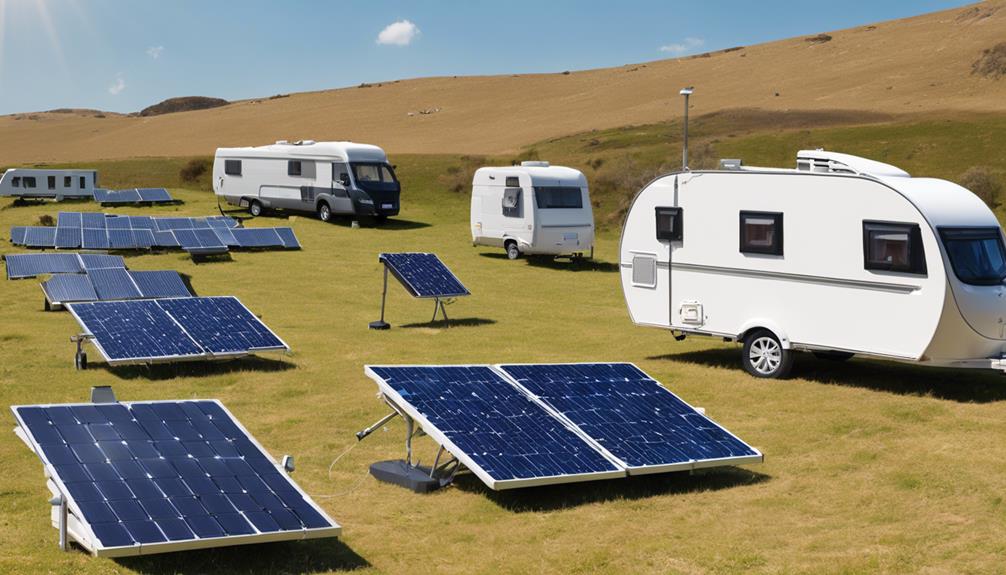
Solar panels are the most popular way to keep a motorhome battery bank charged during extended stops. Proper integration requires a solar charge controller sized for your panels and battery voltage. MPPT controllers are more efficient than PWM, delivering better performance in variable light and cold conditions. If your camper has shore power access or a generator, include a smart multi-stage charger or DC-to-DC charger to manage charging from those sources while protecting battery health.
Hybrid use with home solar battery storage
Some owners leverage their knowledge of home solar battery storage to create compatible systems for campers. A mobile battery bank for camper can be designed to connect to a home system during emergencies or seasonal maintenance, acting as a portable backup. While not all camper batteries are suitable for direct integration with home inverters or transfer switches, LiFePO4 modules can be configured for both mobile and stationary storage when paired with compatible battery management systems. This approach provides redundancy and flexibility for those who split time between home and road.
Installation, wiring, and safety
Installing a battery bank for rv or motorhome use must prioritize safety. Batteries should be securely mounted in a ventilated compartment if using flooded lead-acid types, and wiring must be sized to handle maximum current to minimize voltage drop and heat. Fuses or circuit breakers should be installed close to the battery positive terminal to protect against short circuits. For lithium systems, a reliable battery management system is essential to prevent overcharge, overdischarge, and cell imbalance. If you are not comfortable with electrical work, hiring a professional RV electrician ensures the system meets safety standards and interacts properly with the camper’s factory wiring and appliances.
Practical use cases for campers and motorhomes
The right battery bank transforms daily life in a camper. For weekend adventurers, a modest battery bank for camper use supports lights, a small fridge, and charging devices during short stints off-grid. For full-time nomads, a larger motorhome battery bank paired with substantial solar array and MPPT charging delivers the autonomy needed to spend weeks away from hookups. Emergency preparedness is another strong use case: a well-designed battery bank can run essential devices during storms or power outages, and portable battery packs can transfer power into a home inverter if connectors and safety protocols are in place. Commercial operators and RV rental companies benefit from robust, low-maintenance lithium banks that reduce downtime and maintenance costs while improving guest experiences.
Maintenance and maximizing lifespan
Maintaining a battery bank for camper longevity varies by chemistry. Flooded batteries need periodic electrolyte checks and equalization charging. AGM and sealed lead-acid require less maintenance but should still be kept charged and stored at moderate temperatures. Lithium systems require minimal routine upkeep, but monitoring cell voltages and ensuring proper charging parameters are critical. Temperature control can significantly influence lifespan; avoid exposing batteries to extreme heat and insulate them against freezing when possible. Regular inspections of terminals, cables, and connections will prevent corrosion and ensure efficient power transfer.
Selecting and maintaining a battery bank for camper applications is a balance of cost, weight, performance, and lifestyle needs. Whether you choose a compact battery bank for rv weekend trips or a high-capacity motorhome battery bank for full-time off-grid living, proper sizing, safe installation, and thoughtful integration with solar charging systems will deliver reliable power on the road. For many owners, the investment in a modern lithium setup combined with solar panels pays off in convenience, extended autonomy, and fewer maintenance headaches. With careful planning, your camper’s battery bank becomes a cornerstone of a comfortable, sustainable mobile life—complementing broader home solar battery storage strategies when portability or emergency power is required.