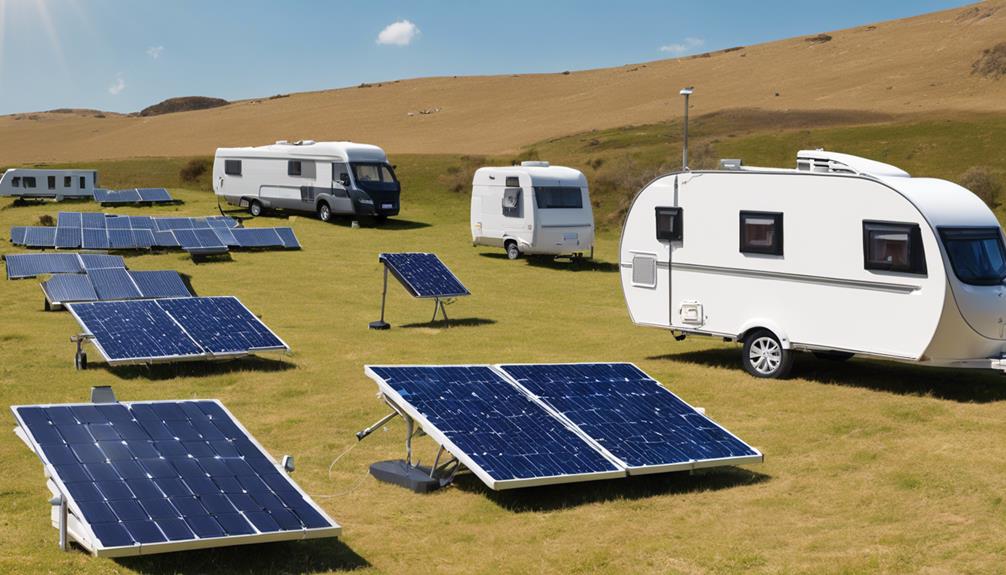
Choosing the best all in one inverter for RV use is one of the smartest upgrades you can make for reliable off-grid power. An integrated inverter/charger with MPPT solar charge control and a built-in transfer switch simplifies installation, reduces wiring complexity, and often saves space — a premium in motorhomes and travel trailers. This article, part of the Solar Panel Brands & Reviews cluster, explains what to look for, practical use cases, and how to match your inverter to common solar setups and popular panel brands. Compare RV solar panels to choose compatible brands when pairing with an all-in-one RV inverter system.
What an all-in-one inverter does and why it matters for RVs
An all-in-one inverter consolidates several functions into a single unit: it converts DC battery power to AC for running household appliances, charges batteries from shore power or a generator, and manages solar input via an MPPT charge controller. For RV owners, that combination reduces clutter and simplifies system management. Instead of coordinating separate components, you get built-in logic that prioritizes solar input, automatically switches between power sources, and often provides load management to prevent battery over-discharge.
Space and weight are constant concerns in a motorhome, so having a compact inverter that includes a charger and solar controller is particularly attractive. Many modern models also include remote monitoring, integration with battery management systems, and configurable settings to match different battery chemistries — all important when you want a dependable setup for weekend getaways or full-time living on the road.
Key features to look for in the best all in one inverter for RV
Begin by matching inverter capacity to your expected loads. Look for a continuous watt rating that covers core appliances such as refrigerators, microwave, air conditioning, and charging electronics. Peak or surge capacity matters too because motors and compressors draw much more power at startup. A unit that advertises 3,000 watts continuous with a 6,000-watt surge is often a solid middle ground for larger RVs.
Battery compatibility and smart charging profiles are crucial. If you have lithium batteries, ensure the inverter supports appropriate charging voltages and has configurable charging stages. Built-in MPPT solar charge controllers improve solar harvest efficiency, so choose a model with an MPPT rated for your expected array voltage and current. Other valuable features include an automatic transfer switch, temperature compensation, remote monitoring, and safety certifications for mobile installations.
Practical use cases: how RV and motorhome owners deploy all-in-one inverters
Weekend campers often need a compact inverter to run lights, a coffee maker, and small appliances, with the simplicity of plugging into shore power when available. All-in-one units are ideal here because they provide seamless switching and reduce installation time. For long-term boondocking, the integration of MPPT charge control and advanced battery charging enables better solar utilization and prolonged battery life.
Full-time RVers and motorhome owners who rely on air conditioning or larger appliances should choose higher-capacity units. In these setups, pairing a robust all-in-one inverter with a well-sized solar array and a high-capacity battery bank provides the autonomy needed for extended stays off-grid. In commercial or large travel trailers, installers sometimes pair multiple inverters for redundancy and load sharing, using all-in-one systems to centralize solar management and reduce wiring complexity. When outfitting an RV with an all-in-one inverter, beware of solar contract pitfalls that can complicate ownership.
Solar panel compatibility and brand considerations
Not all inverters are created equal when it comes to solar integration. If you already favor certain solar panel brands or are reading Solar Panel Brands & Reviews to choose panels, check inverter specifications for maximum input voltage, recommended array configuration, and MPPT efficiency. Some all-in-one inverters work better with higher-voltage arrays while others prefer lower-voltage parallel configurations. Matching the inverter to the panel brand and layout optimizes energy harvest and reduces the risk of clipping or underperformance.
Brand reputation matters. Established inverter manufacturers often provide better firmware updates, monitoring apps, and technical support than newer entrants. When reading reviews of panels and related system components, keep an eye out for compatibility notes and real-world performance reports. A well-reviewed panel paired with a compatible, high-efficiency inverter typically yields the most reliable system for RV use.
Comparing all-in-one systems to separate components: trade-offs and price
All-in-one systems trade modular flexibility for convenience. The main advantage is streamlined installation and fewer points of failure. For many RV owners the lower install time, smaller footprint, and built-in safety features make an integrated inverter the best power inverter for RV setups. However, if you want to customize or upgrade individual components — for instance, swapping the inverter or MPPT controller later — a modular system can be easier to modify.
Cost considerations are also important. High-capacity all-in-one units with advanced features typically cost more upfront than a basic inverter and separate charge controller, but they can save on installation labor and additional wiring. In motorhomes where space and weight carry a premium, the lifecycle simplicity and compactness often justify the higher initial price, making an all-in-one the best power inverter for motorhome applications in many cases.
Choosing the right all-in-one inverter for your RV comes down to honest assessment of your power needs, your solar panel configuration, and how much you value simplicity versus modular flexibility. Prioritize continuous and surge ratings that match your biggest loads, ensure MPPT and battery compatibility, and prefer reputable brands known for solid support. Whether you’re weekend camping, boondocking for weeks at a time, or living full-time in a motorhome, the best all in one inverter for RV use will provide reliable, efficient power while minimizing installation complexity. Evaluate your system as a whole — panels, batteries, and inverter — and you’ll get the most dependable off-grid experience possible.