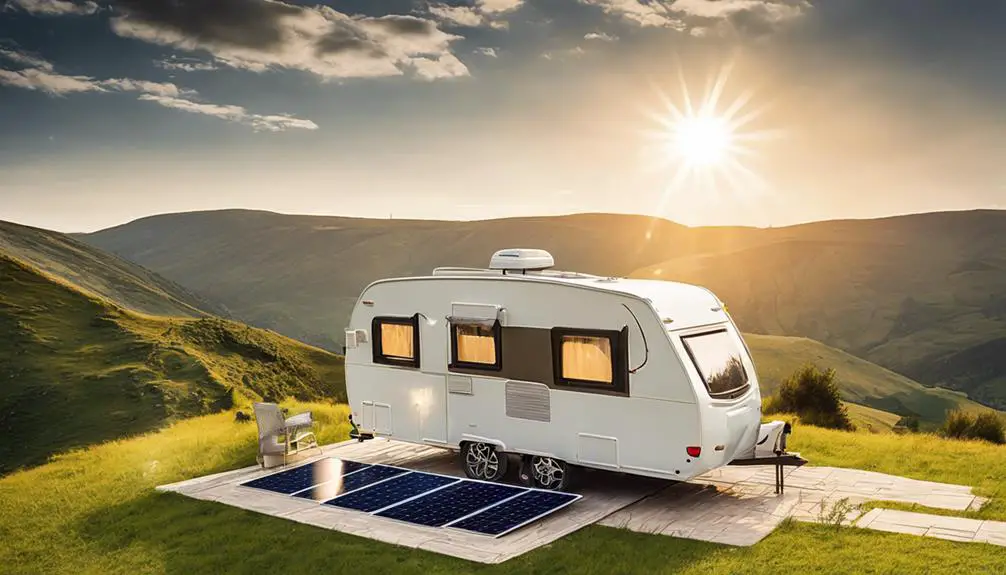
Why caravan owners add solar
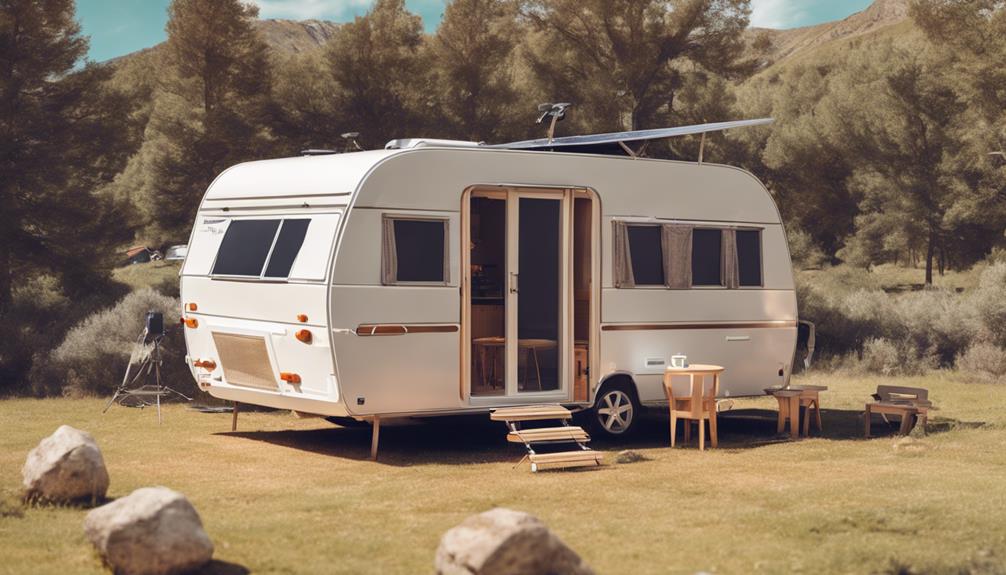
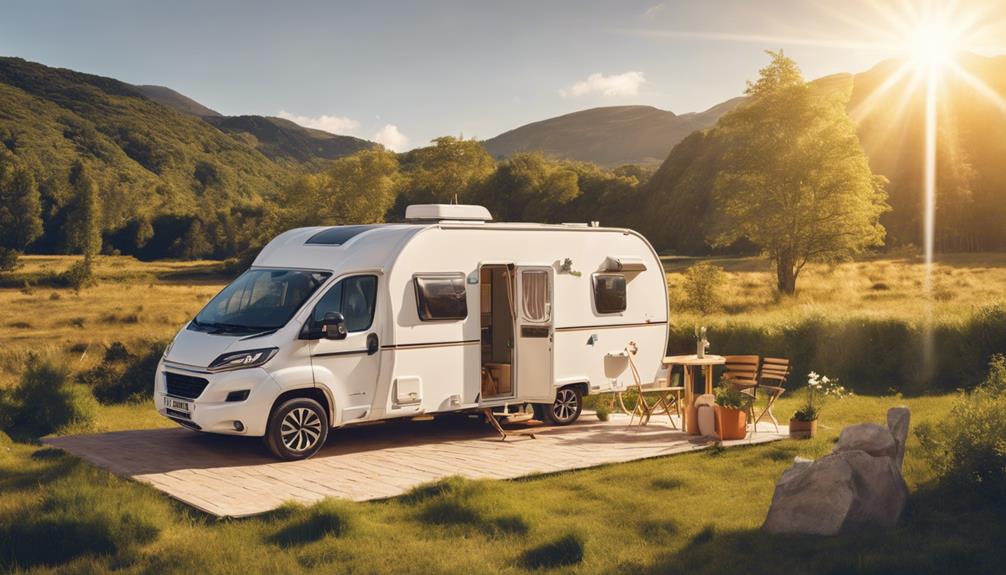
Solar PV panels are a practical way to keep a leisure/house battery topped up, reduce generator runtime and make short stays without mains hook-up easier. Installed correctly, a caravan solar system will extend how long you can camp off-grid—but it doesn’t automatically replace shore power for heavy AC loads like air conditioning, kettles or electric heating.
How a caravan solar system works
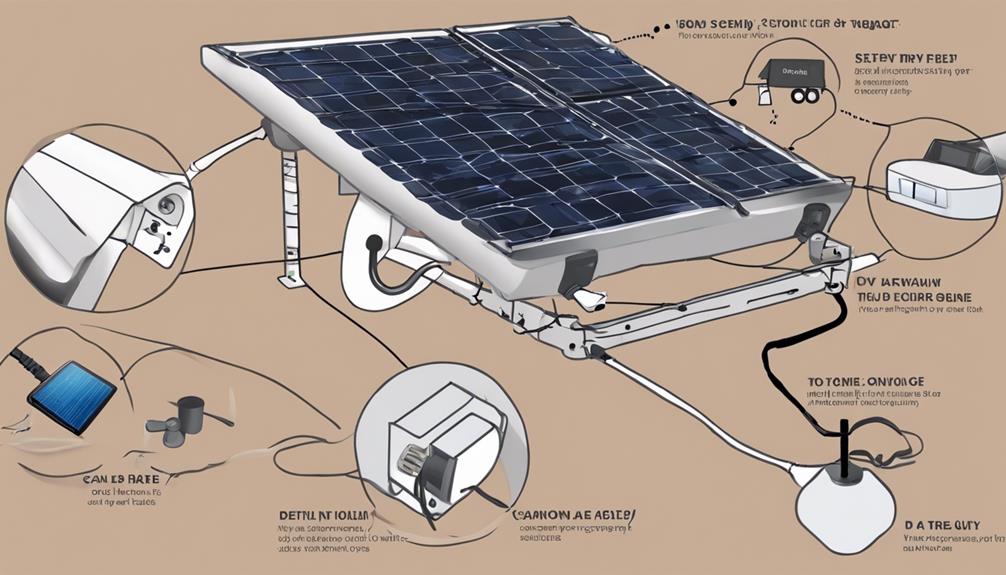
A basic caravan solar system has four parts:
- PV panels on the roof or portable panels in the sun, which produce direct current (DC).
- Solar charge controller (MPPT or PWM) that regulates charging so the battery is not overcharged.
- Battery bank (leisure/house/auxiliary battery) to store energy; chemistry matters for usable capacity.
- Inverter (optional) to convert DC to AC if you need household sockets for appliances.
Monitoring devices are also common to track state-of-charge, solar input and consumption.
What solar can realistically power
Small to medium systems are ideal for:
- LED lights, phone/tablet charging and USB devices.
- Water pumps, fans and occasional use of laptops or a small TV.
- Compressor fridges depending on fridge efficiency and system size.
High-power appliances such as kettles, microwaves, electric heaters or air conditioning usually need either a large solar + battery + inverter system or reliable mains hook-up. Heating and cooking are often better handled by gas or campsite power unless you plan a significant, professionally-designed installation.
Sizing your system — a simple approach
Start with an energy audit:
- List each appliance, its wattage and how many hours you expect to run it per day.
- Daily watt-hours = appliance watts × hours used. Add up all appliances for a daily figure.
Convert to battery amp-hours (for a 12V system):
Ah required = daily watt-hours ÷ system voltage
Example: if you use 600 Wh/day, then 600 ÷ 12 = 50 Ah/day.
Account for usable battery capacity: lead-acid batteries are typically limited to ~50% depth of discharge for longevity, so a 50 Ah usable need implies ~100 Ah nominal capacity. LiFePO4 batteries allow deeper discharge (often 80–90% usable), so a 50 Ah usable need might need only ~56–63 Ah nominal.
Sizing panels to replace daily use
Panel size depends on available sun. A practical formula is:
Required panel power (W) ≈ daily watt-hours ÷ (peak sun hours × system efficiency)
Use a conservative system efficiency (including controller and wiring losses) of around 65–80% and local peak sun hours (e.g., 3–5 hours depending on season/location). For 600 Wh/day with 4 peak sun hours and 70% efficiency: 600 ÷ (4 × 0.7) ≈ 214 W of panels.
Season, shade, panel angle and dirt can significantly reduce output, so plan with realistic margins.
Fixed roof vs portable panels
Fixed roof panels
- Pros: always connected, no daily setup, theft-resistant if well mounted.
- Cons: fixed angle, more affected by roof shading, usually limited by roof space.
Portable/folding panels
- Pros: can be angled toward the sun and placed away from shade for much better output per watt.
- Cons: require setup, storage, secure cabling and can be stolen if left unattended.
Flexible panels are lower-profile but can be more vulnerable to heat and mechanical damage—choose mounting and materials carefully.
Battery and controller choices
Battery chemistry affects usable capacity, weight and charging behaviour. Common choices are AGM or flooded lead-acid (widespread and inexpensive) and LiFePO4 (lighter, deeper usable capacity, longer life). LiFePO4 requires compatible charge settings and safe installation practices.
Charge controllers: MPPT (maximum power point tracking) are more efficient, especially with higher-voltage panel arrays or in cooler/low-light conditions. PWM controllers are simpler and cheaper but less efficient.
If you want to charge from your tow vehicle’s alternator as well, a DC-DC charger or appropriate isolation device is recommended rather than relying on simple wiring.
Installation and safety
- Do not wire panels directly to batteries without a charge controller.
- Follow the applicable caravan/RV standards in your region for bonding, fusing, isolation and cable sizing; complex installs and lithium conversions should be done or inspected by a qualified RV/caravan electrical professional.
- Ensure watertight roof penetrations, strain relief for cable runs, appropriately-rated overcurrent protection and secure battery mounting with ventilation where required.
Standards and codes exist for a reason: they cover safe installation and help avoid fire or shock hazards.
Maintenance and troubleshooting
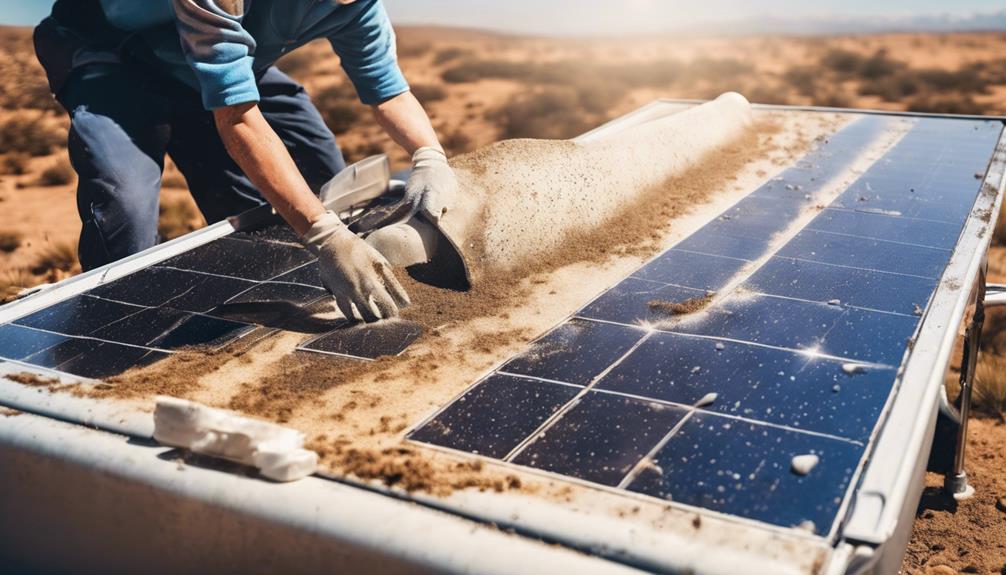
- Keep panels clean and free of debris; dirt and leaves can cut output significantly.
- Inspect mounts, sealant, cables, connectors, fuses and battery terminals regularly.
- Monitor the battery state of charge and controller settings, especially after battery replacement or controller resets.
- Store batteries and winterise systems according to manufacturer guidance.
Next steps
Start with a simple energy audit to decide how much power you actually need. For modest loads a single roof panel plus a good leisure battery and MPPT controller may be enough; for extended off-grid stays or lithium systems, budget for a professional assessment and installation. Solar can extend your independence, reduce generator use and make short no-hook-up trips easier—when planned and installed sensibly.
Safety reminder:
Complex electrical work, lithium battery installs or systems that integrate inverters and shore-power should be carried out or inspected by a qualified technician to meet the relevant RV/caravan electrical standards in your country.