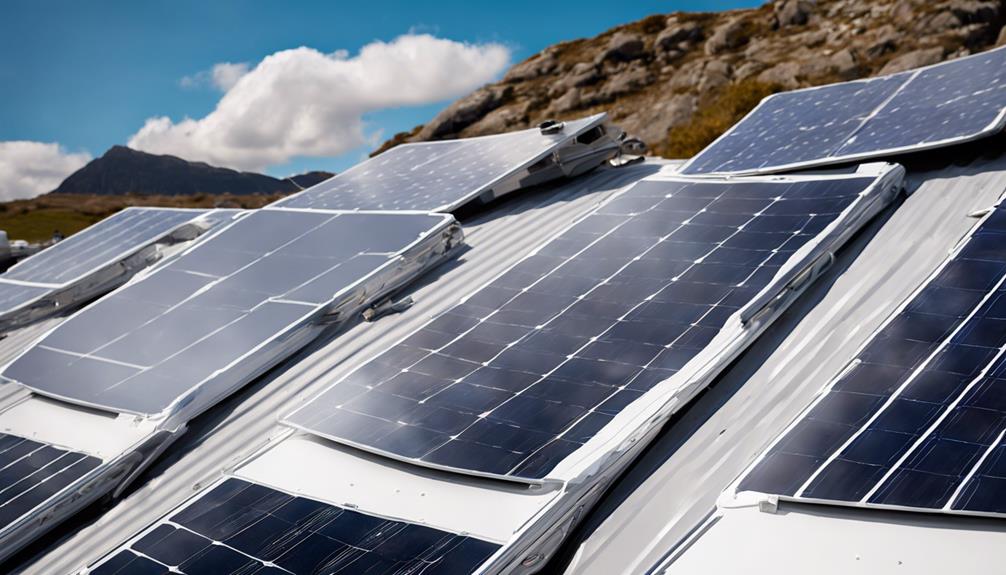
Introduction
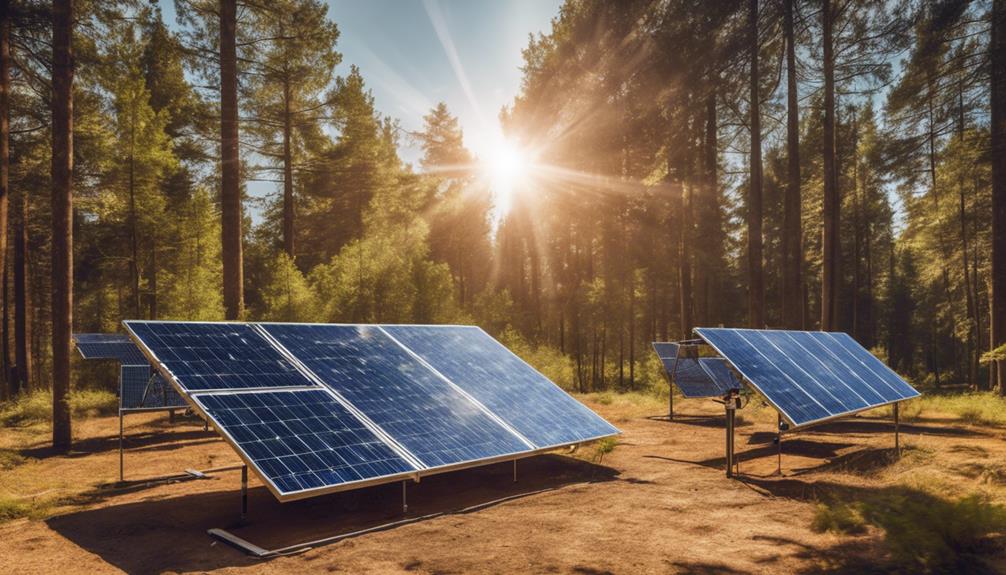
Photovoltaic (PV) solar electricity converts sunlight directly into usable electric power. PV is now a major and rapidly growing source of electricity worldwide, used in small rooftop systems, commercial installations, and utility‑scale arrays. This primer explains how PV works, the main components and system types, economics and lifecycle issues, and corrects common misconceptions.
How PV works — a quick primer
At the heart of PV is the solar cell: a semiconductor device that makes electricity when photons hit it. Photons impart energy to electrons in the semiconductor, creating charge carriers that are collected by metal contacts. The result is direct current (DC). For most uses the DC output is converted to alternating current (AC) by an inverter so it can run household appliances or feed the grid (U.S. DOE: “PV Cells 101”).
A one‑line history: early selenium devices by Charles Fritts (~1883) showed the effect, and the first practical silicon solar cells were developed at Bell Labs in the 1950s.
Main components of a PV system
Typical residential or commercial PV systems include:
- Solar cells/modules (panels) — Cells are wired into modules; modules into arrays. Commercial crystalline silicon modules commonly achieve roughly 18–23% efficiency today (market mix varies; see NREL efficiency data).
- Inverter and power electronics — Inverters convert DC → AC and perform MPPT (maximum power point tracking). Common types: string inverters, central inverters, microinverters, and systems using power optimizers at module level.
- Batteries / BESS — Lithium‑ion batteries are the dominant option for home and commercial storage. Systems with storage require bidirectional inverters and controls.
- BOS (Balance of System) — Racking and mounting, wiring, combiner boxes, meters, disconnects, and monitoring hardware.
Typical lifespans and warranties: modules often carry 25‑year performance warranties (warranty means panels retain a specified percent of nameplate, commonly ~80% by year 25). Inverters may need replacement earlier (10–15 years typical). Module field degradation rates average around 0.5–0.8% per year (NREL compendia).
System types and architectures
There are several common system configurations:
- Grid‑tied (no battery) — PV supplies loads and exports excess to the grid; common in homes and businesses. Export compensation (net metering, net billing, or feed‑in tariffs) depends on local rules.
- Grid‑tied with storage / hybrid — Adds batteries for backup, time‑shifted use, or demand‑charge reduction. Architectures are AC‑coupled (inverter(s) feed AC distribution, battery on AC side) or DC‑coupled (PV charges battery directly through shared DC‑side electronics).
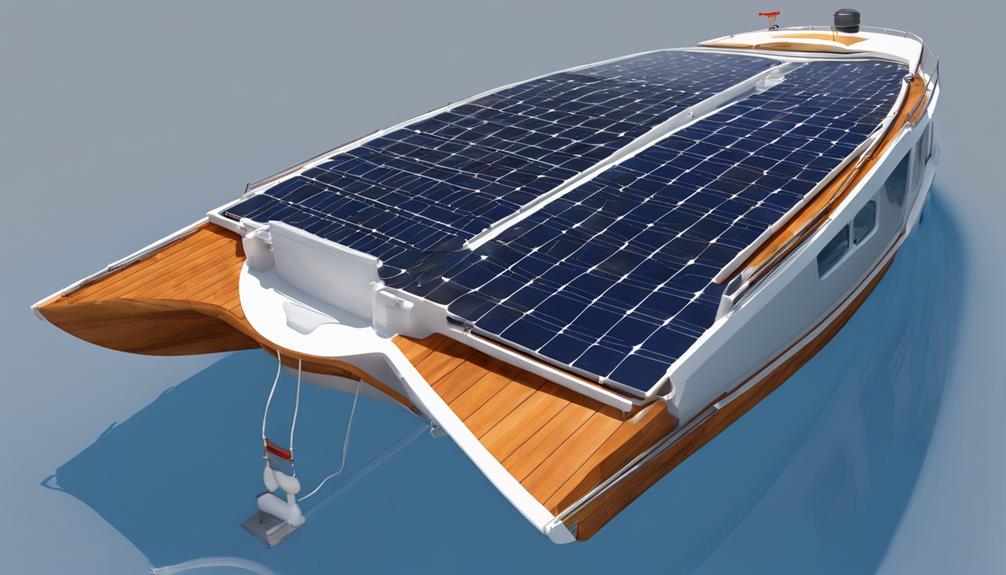
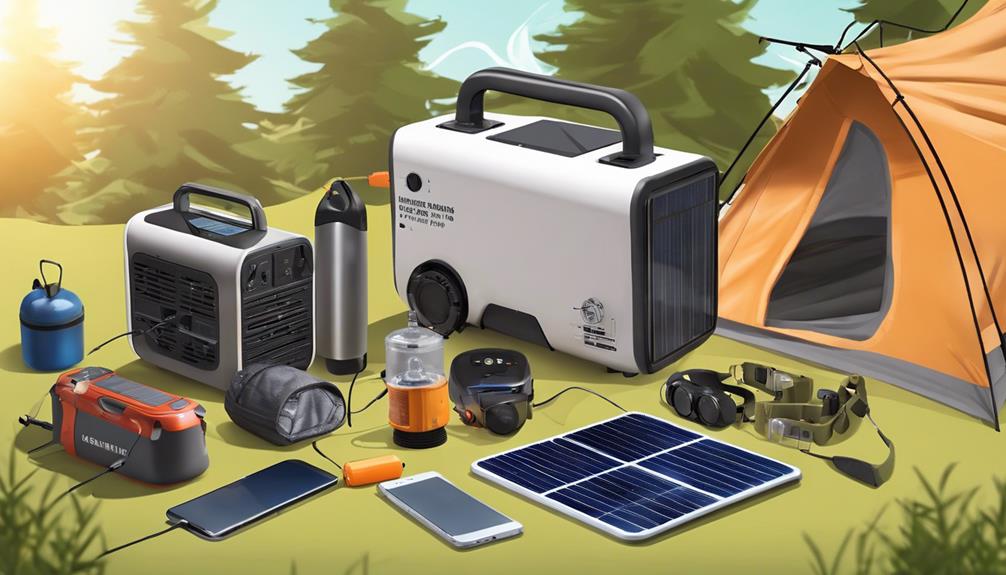
- Off‑grid (standalone) — Systems sized with batteries and generators to operate without utility connection; used where grid access is impractical.
MPPT is integrated into modern inverters or provided by module‑level optimizers to extract maximum energy as sunlight and temperature change.
Performance, costs and economics
PV output varies with location, orientation, shading, and climate. To estimate production, tools such as NREL’s PVWatts or the System Advisor Model (SAM) provide site‑level simulations.
Market and cost context: solar (utility and small‑scale) has been a major source of recent capacity growth; in the U.S., wind + solar set record generation shares in recent years (EIA). Levelized cost comparisons from industry reports (e.g., Lazard) show that utility and distributed PV costs have fallen substantially over the last decade, but system economics for an individual owner depend on local electricity prices, incentives, and compensation for exported energy.
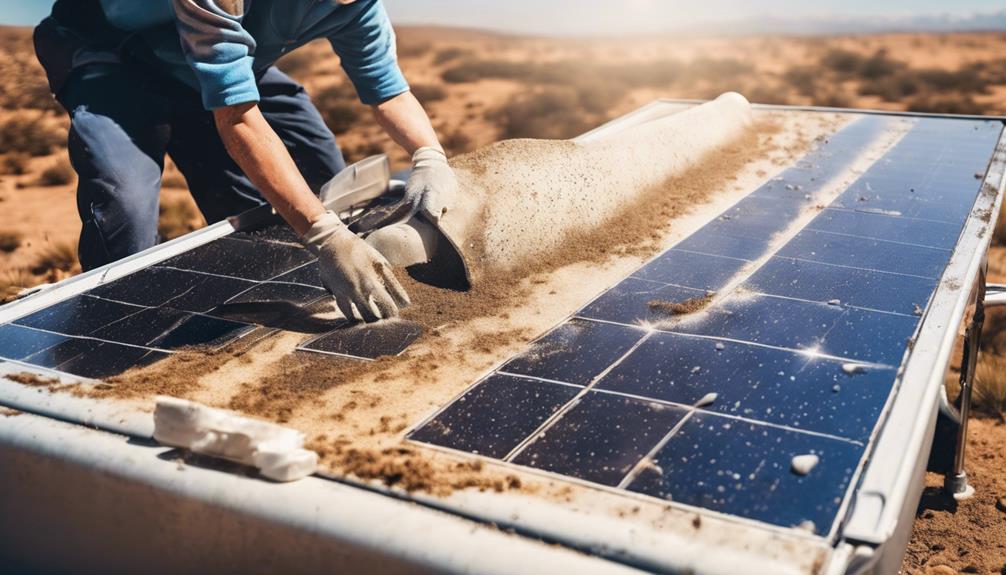
Costs to consider beyond the panel: installation labor, permitting, inverter replacement, O&M, and eventual recycling or disposal. Sunlight is free, but systems require upfront capital and periodic maintenance.
Environmental and end‑of‑life considerations
PV systems reduce operational greenhouse‑gas emissions compared with fossil generation, but manufacturing, transport, and end‑of‑life handling carry environmental footprints. Recycling and second‑use programs are growing; planning for decommissioning or reuse is increasingly common in industry guidance (IRENA and other agencies).
Emerging technologies and near‑term trends
Technical advances include bifacial modules (capture light from both sides), higher‑efficiency tandem/perovskite research cells, and improved power electronics for grid services. PV paired with storage is expanding as battery costs fall and grid integration needs rise (NREL, IEA reports).
Common misconceptions — quick FAQ
- Is solar free after installation? No. Sunlight is free, but systems have capital costs, maintenance, inverter/battery replacements, and end‑of‑life costs.
- Do panels work at night? Panels produce negligible power at night. Batteries or the grid are needed for nighttime power.
- Is silicon the only material? No. Crystalline silicon dominates commercially, but thin‑film (CdTe, CIGS) and emerging perovskite/tandem cells are important alternatives.
- How long do panels last? Many panels produce useful power for 25+ years, with typical warranty guarantees to ~80% of original output at 25 years; field degradation averages around 0.5–0.8%/year (NREL).
Next steps and resources
If you’re evaluating PV for a home or business, get multiple installer quotes, run a site estimate with tools such as NREL’s PVWatts or SAM (sam.nrel.gov), and check local compensation and incentive rules (DSIRE in the U.S.). For technical reference and policy context consult DOE (energy.gov), NREL (nrel.gov), EIA (eia.gov), IEA/IRENA reports, and industry LCOE benchmarks (Lazard).
Sources: U.S. DOE, NREL, U.S. EIA, IEA/IRENA, and Lazard (see agency websites for the latest data and date‑stamped figures).