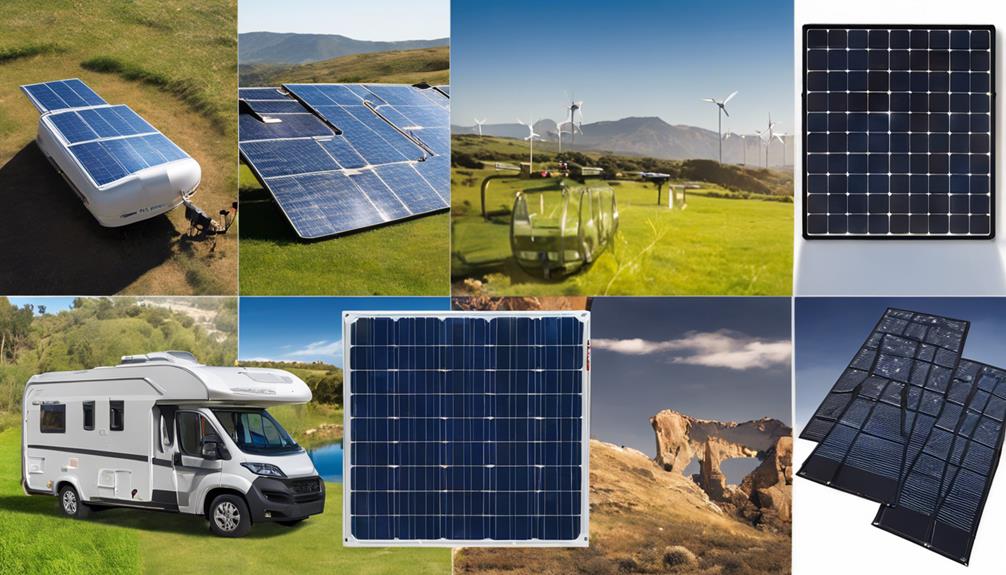
Short deck: This article explains how solar thermal and passive-solar strategies can heat small spaces — garages, workshops, animal buildings and offices — safely and affordably. It clarifies terms (passive vs active), compares common collectors (flat-plate, evacuated-tube, transpired/solar-air), outlines practical DIY and commercial options, notes typical costs and limitations, and points you to incentives and safety considerations. Note: solar heating is about warmth, not lighting (daylighting is a separate topic).
Who benefits and what to expect
Owners of detached garages, workshops, greenhouses, small commercial spaces and barns can often reduce heating bills and the runtime of backup heaters by adding solar heating. In most climates solar systems supplement existing heat rather than replace a full HVAC system; success depends on orientation, climate, collector size and whether you include storage or backup.
Quick definitions
- Passive solar — building features that capture and store sunlight without pumps: direct-gain windows, Trombe walls, and sunspaces. No mechanical moving parts.
- Active solar (solar thermal) — collectors that capture heat and move it with pumps or fans to the space or storage: flat-plate collectors, evacuated-tube collectors, and solar air (transpired) collectors.
- Solar air / transpired collectors (SolarWall-type) — a dark perforated exterior panel preheats ventilation or makeup air with a fan; common for commercial/agricultural pre-heating of fresh air.
- Hydronic / radiant systems — solar-heated water circulates through tubing in floors or radiators. Works best with low-temperature heat and thermal storage.
Options at a glance
- Low-cost DIY: solar air box, simple unglazed collector, or a small Trombe wall (direct/indirect gain). Good for workshops and garages; low upfront cost but limited storage.
- Mid-range: prefabricated unglazed transpired collectors to preheat ventilation air; plug into existing ventilation systems to lower makeup-air heating needs.
- Full system: flat-plate or evacuated-tube collectors with storage tank, pump, and controls to supply domestic hot water and space heating via hydronic radiant floors or fan coils.
Collector selection — simple rule of thumb
- Flat-plate: good for moderate climates and general space/water heating at lower temperatures.
- Evacuated-tube: higher performance in cold or cloudy climates and at higher output temperatures; typically higher cost.
- Transpired/unglazed: best for pre-heating ventilation/makeup air, lower cost per square foot, widely used for barns, warehouses and workshops.
How these systems work (brief)
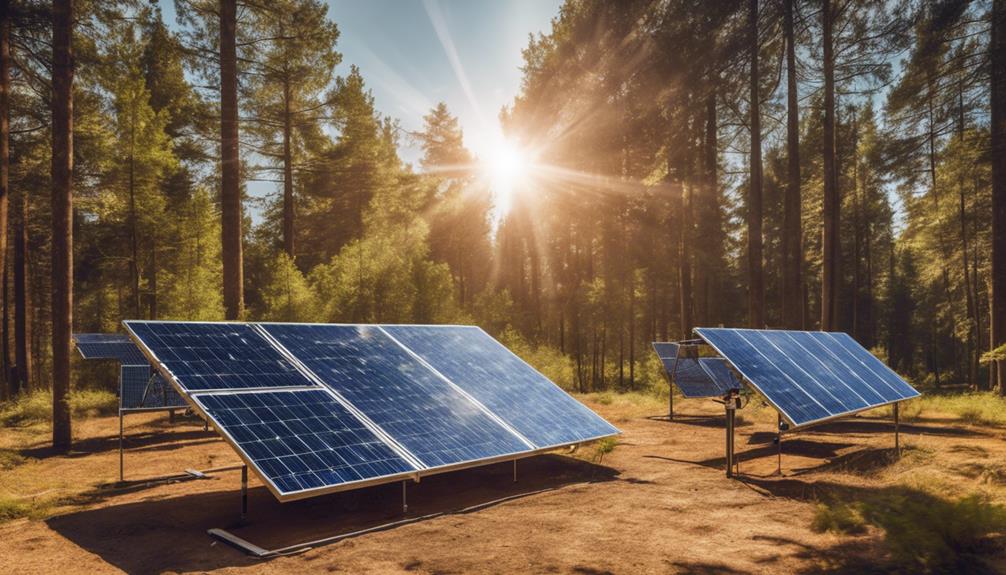
- Orientation: South-facing collectors with minimal shading get the best year-round output.
- Thermal mass/storage: Concrete slab, water tank or dedicated thermal stores let you use sun heat after sunset.
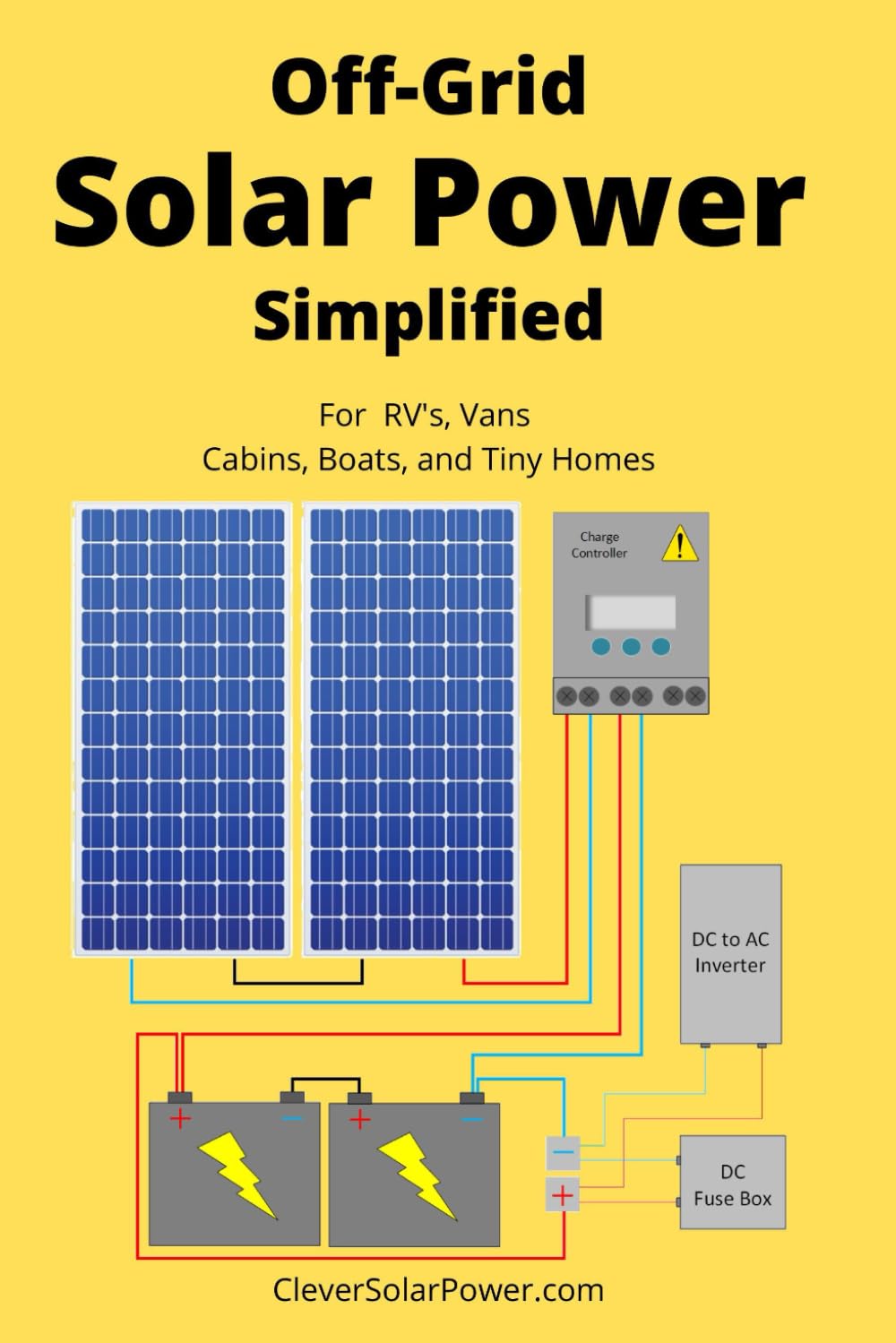
- Heat transport: Air collectors use fans; liquid collectors use pumps and heat exchangers for hydronic distribution.
- Controls & backup: Thermostats and automatic valves switch between solar and backup heat to maintain comfort and protect collectors (freeze protection where needed).
Where solar heating works best
South-facing exposure with limited shading and a building that can use low-temperature heat (radiant floors, preheated ventilation) gives the best results. Solar thermal is highly effective for pre-heating makeup air in commercial/ag applications and for supplementing radiant-floor systems in homes or workshops. In very cold, low-sun climates, evacuated-tube collectors plus storage give better performance but raise costs.
Costs, payback and incentives
Costs vary widely: a small DIY solar air box can run a few hundred dollars in materials; a mid-range transpired collector installation is several thousand dollars; a full flat-plate or evacuated-tube hydronic system with storage often costs several thousand to tens of thousands depending on size and installation complexity. Payback depends on fuel prices, local climate, system sizing and incentives. In the U.S., some solar water-heating systems and qualifying components have been eligible for federal tax credits under the Residential Clean Energy Property Credit — always confirm current IRS guidance and local incentives before you buy.
Safety and practical issues
- Freeze protection and overheat protection are essential in active systems; use appropriate glycol, drainback or control strategies where required.
- Maintenance: occasional cleaning, inspection of seals, and checking pumps/fans and controls are typical.
- Fire-safety benefit: well-designed solar systems can reduce dependence on portable space heaters, which are a documented fire risk (NFPA). However, do not substitute improper or uncertified heating devices for professionally installed systems.
- Permitting: many systems require building or electrical permits — check local codes.
Quick DIY example: small solar air box
Good for a single bay garage or workshop to supplement heat on sunny days.
- Materials: plywood box, black metal absorber plate or corrugated metal, glazing (polycarbonate or tempered glass), foam insulation, small fan, simple thermostat, weatherproof vent hardware. Estimated materials cost: $200–$800 depending on glazing and finish.
- How it works: sunlight heats the black absorber; air drawn through the box by the fan delivers warm air into the space or into the building return. Mount on a south-facing wall or roof with sun exposure.
- Limitations & safety: no storage — heat only when sun is available; protect against rain/wind; include a temperature thermostat to avoid overheating; do not connect to combustion appliance air intakes without a certified professional.
How to choose & next steps
Ask installers these questions: What collector type and size do you recommend for my climate? How will you integrate storage and backup? What freeze protection is used? Can you provide performance estimates and references? For DIY projects, start small, confirm roof/wall load capacity and local permitting, and consult an HVAC or solar professional for system sizing if you plan to depend on solar for primary heating.
Further reading & resources
Authoritative sources include the U.S. Department of Energy (passive and active solar guides), NREL (passive design and system integration), IRS guidance on residential clean energy credits, and NFPA materials on heating safety. Check those agencies for detailed guidance and the latest incentive/permit rules before you build.
Always check local building codes and consult licensed professionals for installations that affect structural, plumbing or combustion systems.