Introduction
A cabin solar project is a system-design and safety task, not just a panel-mounting job. This guide helps U.S. cabin owners plan a solar photovoltaic (PV) system—off-grid, grid-connected, or hybrid (solar-plus-storage)—while emphasizing load-first design, site assessment, permitting, listed equipment, and clear handoffs to qualified professionals for electrical and structural work.
Choose Your System Type First
Decide early whether the cabin will be:
- Off-grid / stand-alone: No utility service; requires robust storage and a plan for extended low-sun periods (autonomy).
- Grid-connected: Interconnected with the utility; needs utility permission to operate and equipment listed for grid interaction. Note: typical grid-tied inverters shut down during outages for safety.
- Hybrid / solar-plus-storage: PV with an energy storage system (ESS) that can provide backup and potentially island during outages if specifically designed for that purpose.
Which path fits your cabin depends on accessibility, occupancy patterns, and resilience goals. A short decision rule: prioritize grid connection if reliable utility power exists and you want lower storage cost; choose off-grid only if utility service isn’t available or you accept the higher resilience and maintenance burden of full autonomy.
Calculate Loads Before Sizing Equipment
Begin with a load inventory: list appliances, their wattage, daily hours of use, likely simultaneous use, and any motor-start surges. Distinguish between power (kW) for inverter sizing and energy (kWh) for PV and battery sizing. Consider seasonal occupancy, standby loads, and which circuits are critical during outages.
Reduce loads through efficiency measures (LED lighting, efficient refrigerators, behavioral changes) before increasing system size—this often lowers both PV and ESS costs.
Estimate Solar Production at the Actual Site
Use a location-based model (for example, NREL’s PVWatts) as an early production estimate, but understand models have limits: they use long‑term weather data and cannot fully account for local shading, roof pitch/azimuth, or snow. Perform a site-specific shade assessment, especially if you plan year‑round use—winter production often controls energy availability for remote cabins.
Roof Mount vs. Ground Mount
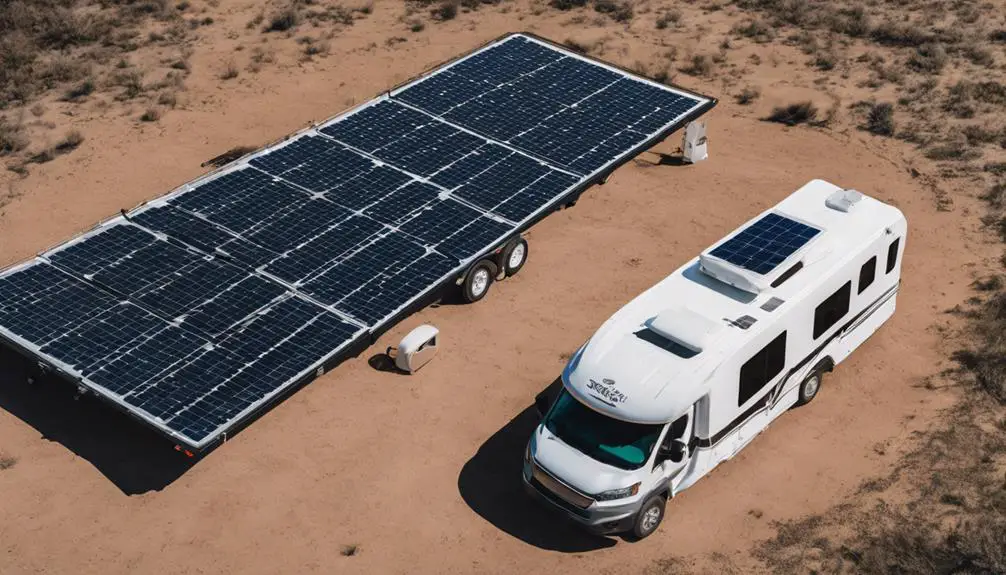
Assess roof suitability for structural capacity, age, rafter layout, waterproofing, wind and snow exposure, and safe access. The adopted building code in your locality requires rooftop systems to meet structural and fire provisions; if the roof is shaded, aging, or structurally uncertain, a ground mount can offer better orientation, service access, and snow clearance. Avoid making structural attachments without an engineered plan.
Major System Components to Plan For
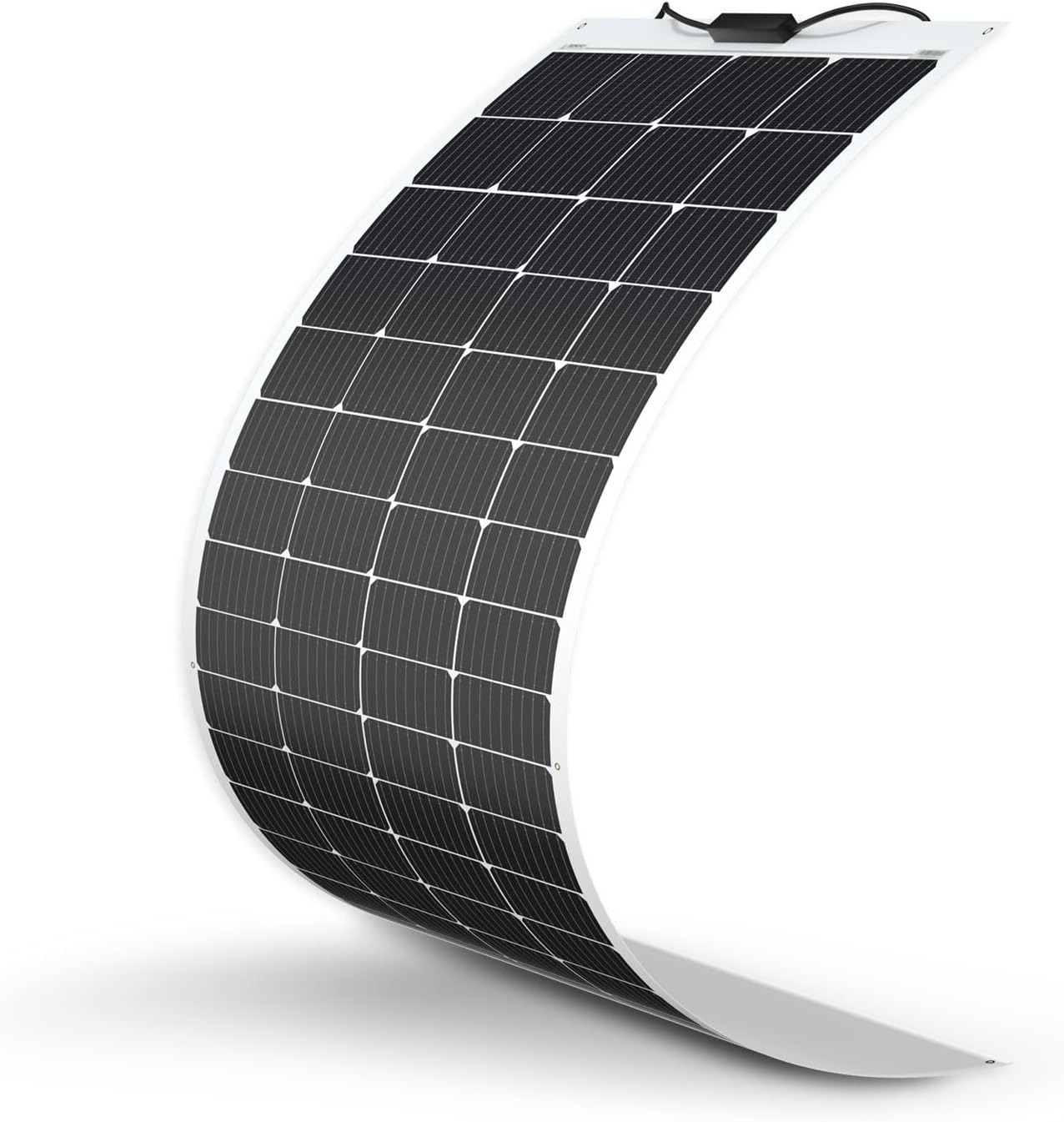
- PV modules / array: Choose modules according to area constraints, production needs, and listing status—not efficiency alone.
- Inverters and charge controllers: String inverters, microinverters, or inverter/charger architectures each have tradeoffs; match architecture to shading and backup goals.
- Energy storage system (ESS): Listed, integrated ESS products are recommended; plan usable capacity, discharge power, BMS, and environmental siting.
- Balance of system (BOS): Racking, wiring, disconnects, overcurrent protection, grounding/bonding, conduits, combiner boxes, and monitoring equipment.
Ensure component compatibility and use equipment listed for its intended application; follow manufacturer instructions for installation and clearances.
Battery Storage and Backup: Practical Considerations
Battery capacity (kWh) determines autonomy while inverter power (kW) determines what loads can run simultaneously. Plan a critical-loads strategy rather than trying to back up every circuit. Consider a backup generator for extended low-sun periods. Treat ESS as a regulated installation: chemistry-dependent siting, listed enclosures, disconnects, thermal limits, and compliance with fire codes are essential. Do not assemble battery packs from loose cells—safety authorities warn this can create serious fire and injury risks.
Permits, Codes, and the AHJ
Your local authority having jurisdiction (AHJ) enforces the applicable building, electrical, and fire codes and determines which code edition applies. Grid-connected systems require utility interconnection agreements and permission to operate. Treat permitting, inspections, and interconnection as essential steps—remote location does not exempt you from code or utility rules.
Safe DIY Roles vs. Work to Leave to Pros
Reasonable DIY planning tasks:
- Compile a load inventory and usage patterns.
- Document site shading, take photos, and clear non-electrical vegetation where permitted.
- Research local permit requirements and utility interconnection rules.
- Select critical loads and prepare questions for installers.
Work to leave to licensed professionals:
- Structural review and engineered roof attachments.
- High-voltage DC/AC wiring, service-panel alterations, and final ESS installation.
- Utility interconnection, commissioning, and required inspections.
Commissioning, Monitoring, and Maintenance
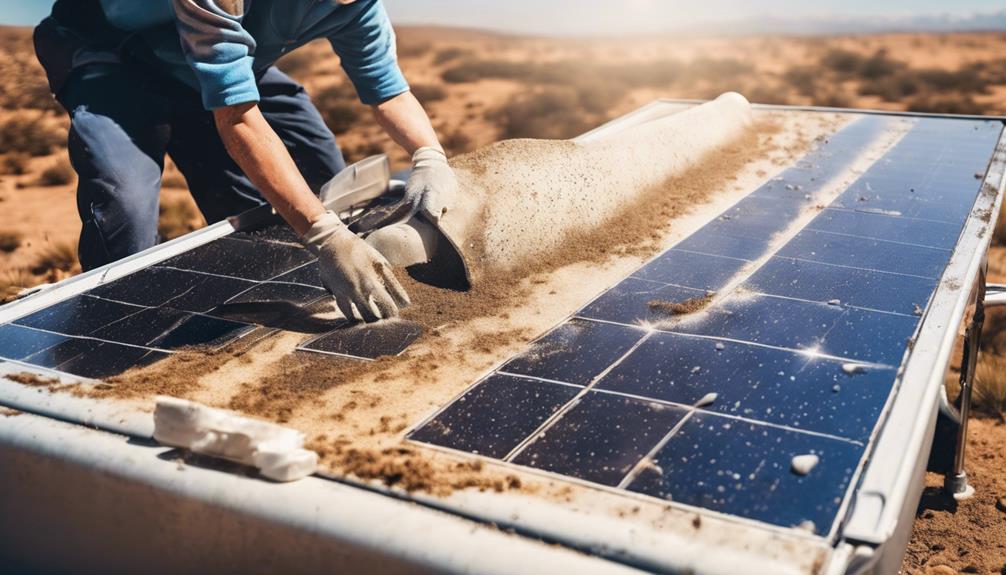
Keep permits, one-line diagrams, product manuals, and warranty information organized. Use monitoring to spot production or ESS anomalies and follow manufacturer maintenance guidance. Inspect condition-based items—vegetation growth, animal damage, roof penetrations, corrosion, and visible wiring issues—and avoid unnecessary roof access that introduces fall hazards.
Questions to Ask Your AHJ, Utility, or Installer
- Which code edition and local amendments apply to my project?
- What permit, inspection, and interconnection steps are required?
- Which components must be listed and labeled for my intended use?
- Can the proposed system provide islanded backup, and is that design permitted?
- Who will perform final commissioning and provide the one-line diagram and test records?
Conclusion
A safe, reliable cabin PV system starts with a load-first plan, realistic site-specific production estimates, listed and compatible equipment, and clear checkpoints for professional structural and electrical work. Follow permitting rules, prioritize battery and fire safety, and treat monitoring and condition-based maintenance as ongoing duties to keep your system serving the cabin for decades.