Introduction: choosing locations, not just moving equipment
When neighbors call renewable installations “unsightly,” the practical response isn’t simply to pick them up and drop them somewhere else. The better question is: how can solar PV and wind turbines be sited or designed so they produce energy reliably while reducing visual, land-use, or neighborhood conflicts? Effective solutions balance resource quality, grid access, environmental constraints, permitting, cost, and community acceptance.
First: what does “move” really mean?
- Relocating an existing system: removing foundations, transporting equipment, reengineering interconnection and permits—often costly and complex.
- Redesigning a proposed project: choosing a different parcel, changing layout, or altering turbine height and color before construction.
- Choosing an off-site model: community solar or utility-scale projects sited away from neighborhoods while subscribers get the benefits.
- Repowering: upgrading turbines or arrays at an established site to raise output without expanding the footprint.
Moving an operating installation is usually more complicated than siting a new one: new engineering, foundations, permits, interconnection changes, and financing adjustments are commonly required (EPA, RE‑Powering guidance).
Better places for solar PV
Below are common alternatives to new ground-mounted arrays on undeveloped land. For each option, note why it can reduce conflict and what tradeoffs to expect.
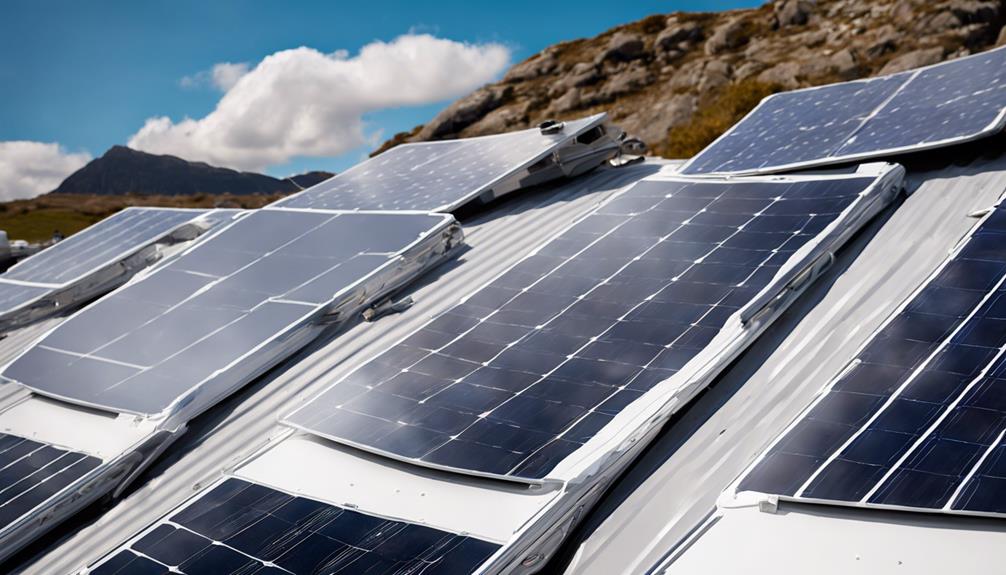
1. Commercial and industrial rooftops
Why it helps: uses already developed structures and keeps panels out of open landscapes. Who it suits: businesses, schools, warehouses.
Tradeoffs: roof strength, shading, roof orientation, and structural upgrades can add cost. Systems on roofs are limited by available area and roof lifespan.
2. Parking‑lot and garage solar canopies
Why it helps: places arrays over paved areas, provides shade and potential lighting integration, and avoids converting greenfield land.
Tradeoffs: canopies require heavier structures, drainage planning, and higher upfront costs than simple ground mounts.
3. Brownfields, landfills, and former mine lands
Why it helps: repurposes contaminated or otherwise constrained sites rather than undeveloped countryside. EPA’s RE‑Powering initiative encourages compatibility with cleanup goals and community vision.
Tradeoffs: contamination, landfill caps, groundwater monitoring, and liability can complicate design, permitting, and costs.
4. Agrivoltaics (dual‑use solar)
Why it helps: combines agriculture and electricity on the same acreage—grazing, pollinator habitat, or shade‑tolerant crops beneath elevated panels.
Tradeoffs: elevated structures and access needs raise project cost; benefits depend on crop, climate, and system design. Research and site‑specific trials are often needed (DOE agrivoltaics research).
5. Floating solar on man‑made water bodies
Why it helps: uses reservoirs, treatment ponds, or other artificial water surfaces instead of land.
Tradeoffs: requires waterbody owner permission, careful aquatic and drinking‑water protections, anchoring solutions, and management of wind, waves, and water‑level changes. Not every lake or reservoir is suitable.
6. Community solar
Why it helps: lets renters and apartment residents access solar without rooftop panels; installations can be consolidated at less contentious sites.
Tradeoffs: panels still need to be sited somewhere, and subscriber economics depend on local rules, interconnection, and billing arrangements (DOE community solar guidance).
Alternatives for wind turbines
Wind involves different constraints—wind resource, spacing, and wildlife considerations are decisive. Options include:
1. Carefully sited land‑based wind
Why it helps: placing turbines in locations with existing screening, lower visibility from populated areas, or away from scenic vistas can reduce perceived impacts.
Tradeoffs: better visual siting may increase distance to transmission, add access costs, or conflict with other land uses.
2. Distributed and smaller‑scale wind
Why it helps: smaller turbines serving a building, farm, or microgrid typically have a smaller overall viewshed than large utility farms.
Tradeoffs: they need suitable wind speed and clearance, and urban turbulence or nearby obstructions often make them ineffective.
3. Community wind
Why it helps: local ownership or revenue sharing can increase acceptance by delivering direct local benefits.
Tradeoffs: financing, operations, and siting still require careful planning and community engagement.
4. Offshore wind
Why it helps: placing turbines offshore moves large structures away from many inland viewpoints.
Tradeoffs: offshore projects still affect coastal viewsheds, require onshore substations and ports, and carry marine wildlife, shipping, and construction impacts. Federal permitting (BOEM) and coordination are involved.
5. Repowering existing wind sites
Why it helps: replacing older turbines with fewer, larger, or more efficient machines can increase output without new land conversion.
Tradeoffs: repowering needs technical and environmental review and often new permitting.
Design, planning, and community engagement matter as much as location
- Use visual simulations and viewshed studies to show how a proposal will look from key viewpoints.
- Adjust setbacks, layout, and turbine spacing to reduce line‑of‑sight impacts.
- Minimize visible infrastructure clutter and coordinate colors/finishes where permitted.
- Address lighting thoughtfully with advanced detection systems and local aviation rules.
- Engage communities early, offer clear information, and explore local benefits or ownership shares.
- Design wildlife protections into siting and seasonal operations where necessary.
Checklist: what to check before choosing a site
- Resource quality: solar irradiance or wind speed/mapping.
- Site conditions: roof strength, soil, landfill caps, or waterbody characteristics.
- Grid access and interconnection capacity.
- Zoning, permits, environmental reviews, and local ordinances.
- Wildlife and cultural‑resource constraints.
- Remediation, liability, and monitoring requirements on brownfields or landfills.
- Construction and maintenance access and costs.
- Financing, incentives, and contract terms—these vary by jurisdiction.
- Decommissioning and end‑of‑life plans; note that modern PV panels commonly have a 25–35 year operational lifespan and typical performance periods are often described as 20–30 years, with inverters and other components needing replacement sooner (DOE PV lifecycle guidance).
- Community input and benefits.
Conclusion: there’s no single invisible spot
There is no truly “invisible” place for all renewable energy—the best solution is a tradeoff. Thoughtful siting and design can move projects where they cause fewer conflicts while still meeting technical, environmental, and grid requirements. Whether you’re a homeowner, developer, utility, or local official, the most successful projects balance resource quality, regulatory realities, community values, and the practical costs of construction and operations.
As you weigh options, remember the central question: how can renewable projects be placed more thoughtfully, not merely farther away?