What “clean solar energy” means
Solar photovoltaic (PV) systems produce electricity without burning fuel and therefore have no direct air-polluting or carbon-dioxide emissions during operation. That makes them a low-emission source of electricity over their lifecycle. However, PV systems are not impact-free: manufacturing, transport, installation, maintenance, and end-of-life handling create embodied emissions and other environmental footprints. “Cleaner during operation” or “low-emission over its lifecycle” are accurate descriptions.
How a PV system generates electricity
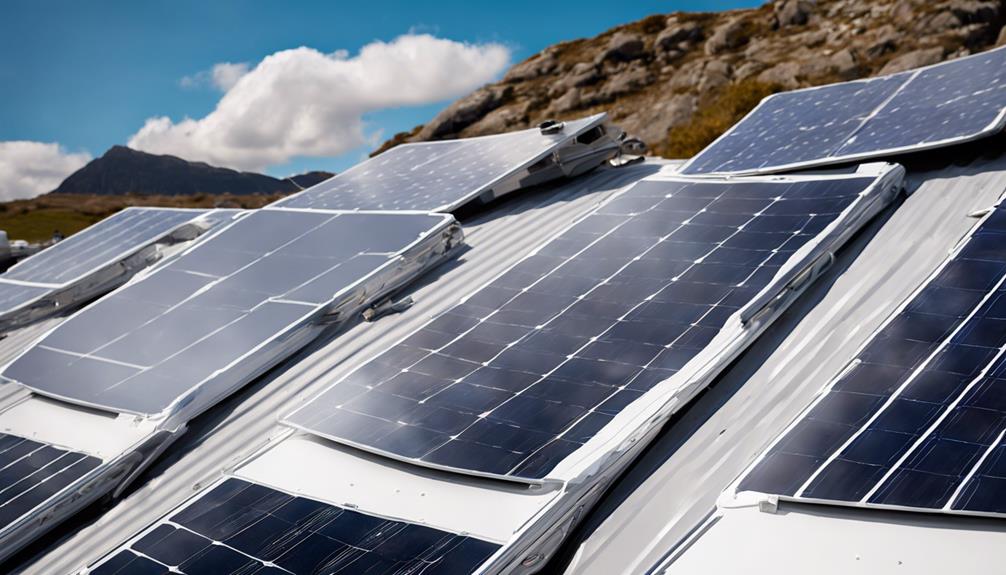
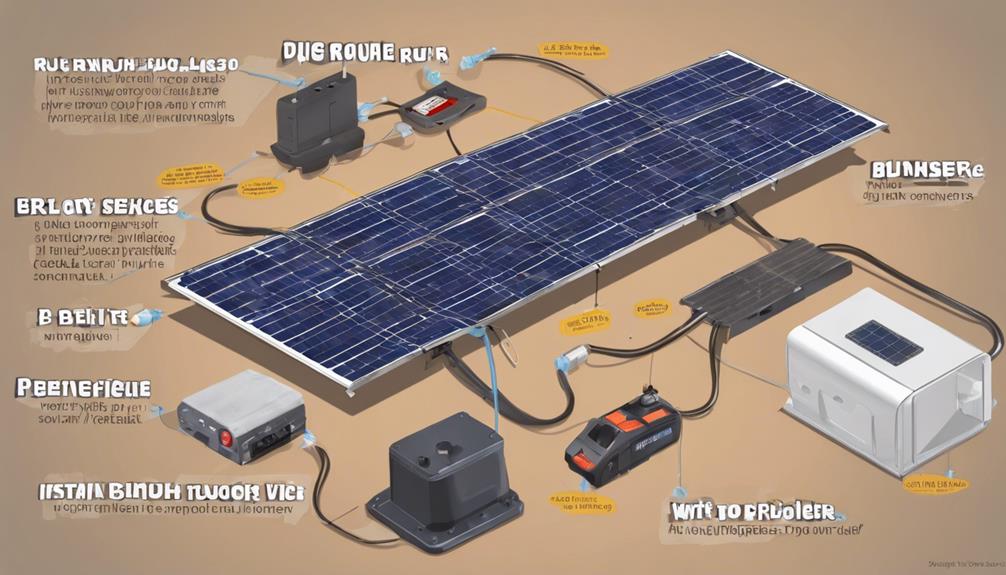
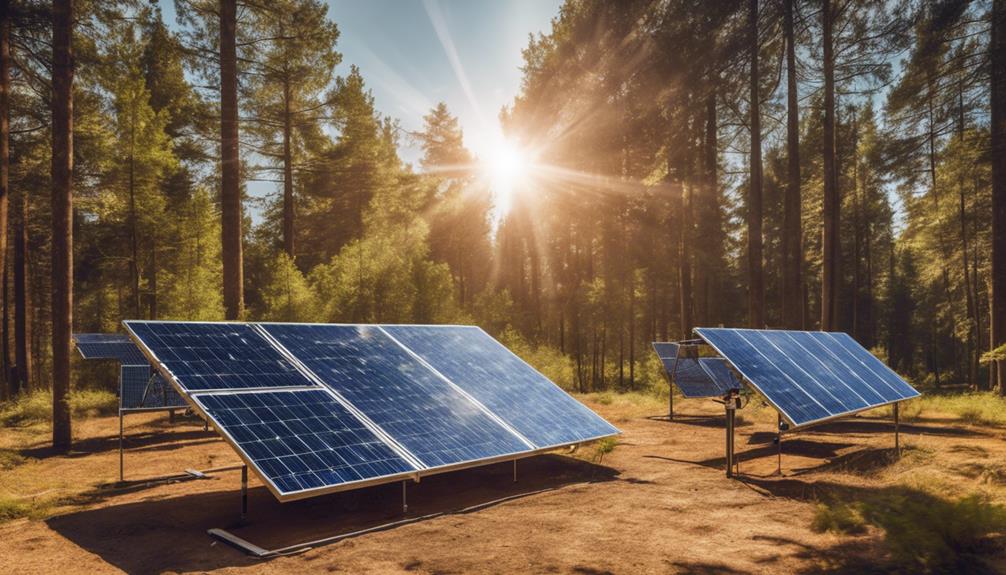
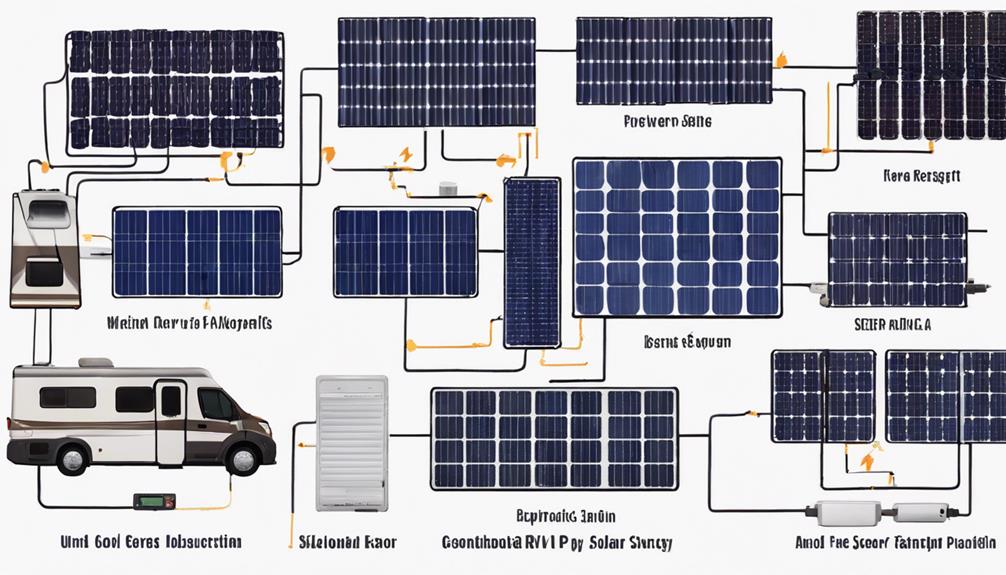
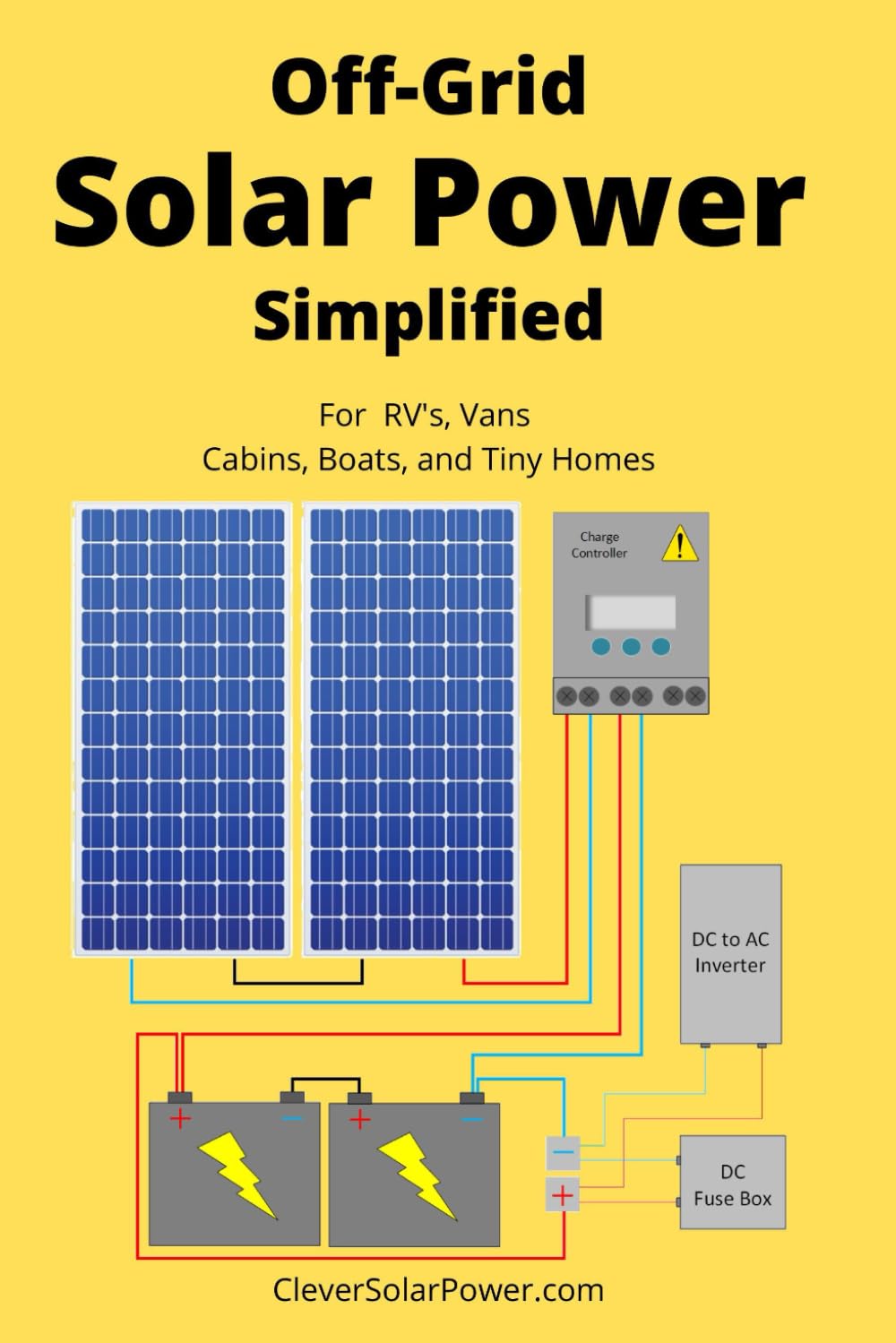
At a basic level, sunlight energizes electrons in semiconductor material inside a PV cell. Cells are assembled into PV modules (panels), and modules are grouped into a PV array. The array produces direct current (DC) electricity. An inverter or microinverter converts DC to alternating current (AC) so building loads and the utility can use it.
Important terms: nameplate capacity (rated power, in kilowatts or kW), and energy generation (kilowatt-hours or kWh). Capacity factor describes how much a system actually generates relative to its maximum possible output.
Main types of solar solutions
- Grid-tied rooftop PV: The most common residential and small commercial approach. The system supplies on-site loads and can export surplus to the utility where permitted.
- Solar-plus-storage (hybrid): A PV system coupled with a battery energy storage system (BESS) to shift self-consumption, provide backup, or participate in rate-managed services.
- Off-grid systems: Designed to operate without the utility, requiring larger batteries and often backup generators. These require professional design and are less common for typical homes in the U.S.
- Commercial and community-scale solar: Larger arrays sized for businesses or groups of customers, sometimes on rooftops, parking canopies, or ground-mounted sites.
Environmental advantages and trade-offs
Advantages include reduced operational air pollution and greenhouse gases compared with fossil-fuel electricity. Rooftop systems generally have smaller land impacts than large ground-mounted projects. Trade-offs include embodied emissions in panel and inverter manufacturing, mining of raw materials, transportation, and end-of-life management. Recycling and reuse options exist, but collection and economics vary across the U.S.
What affects system performance
PV output varies with insolation (local sunlight), time of day, season, cloud cover, and temperature. Roof orientation and tilt, shading from trees or nearby structures, dust and snow, and system electrical losses also matter. Because PV generation often declines near evening—when residential demand can rise—self-consumption patterns and storage choices influence how much grid electricity you still need.
Solar, batteries, and the utility grid
A grid-tied PV system can reduce electricity purchases but usually does not eliminate utility interaction. Key concepts:
- Self-consumption: Using solar electricity on-site as it is produced reduces purchases from the utility.
- Grid export: Surplus electricity sent to the utility may receive compensation if allowed.
- Net metering, net billing, or export compensation: Local utility rules determine how exported energy is credited. These rules vary by state and utility and can materially affect savings.
- Batteries: BESS can shift generation to later use and provide backup if configured for that purpose, but they add cost, complexity, and conversion losses and have their own lifecycle impacts.
Costs, savings, and incentives
Financial outcomes are site-specific. Factors include installed price, nameplate capacity (kW), expected annual generation (kWh), electricity rates and their future escalation, available incentives, system degradation, and maintenance and replacement costs. Ownership models—outright purchase, loan, lease, or power purchase agreement (PPA)—also change economics.
Important U.S. policy note (date-sensitive): as of August 4, 2026, IRS guidance indicates that the federal Residential Clean Energy Credit (Section 25D) is not available for qualifying expenditures made after December 31, 2025. State, local, and utility incentives still may apply but require local verification. Always confirm current incentives and utility compensation rules before deciding.
How to evaluate an installer and a proposal
Before requesting quotes, improve the value of your system by addressing energy efficiency first. When you compare installers, ask for:
- Itemized proposals showing equipment, mounting, labor, permits, interconnection, monitoring, and removal.
- Estimated annual production with assumptions (location, orientation, shading, losses) rather than only panel wattage.
- Information on warranties for modules, inverters, and batteries, and what is covered for roof penetration and replacement.
- Who owns the system and responsibilities for maintenance, inverter or battery replacement, and end-of-life removal.
- Evidence of licensing, insurance, and references. Compare at least two or three qualified installers and treat high-pressure or “free solar” claims cautiously.
End-of-life planning
Typical operational lifespans vary; many panels operate 25 to 35 years while other federal guidance frames performance life as roughly 20 to 30 years, depending on context. End-of-life choices include continued operation, repair, reuse, repowering, decommissioning, and recycling. Recycling technologies exist, but collection networks and economics are uneven in the U.S., so verify local options and legal requirements for disposal.
Conclusion
Solar PV can be a lower-emission electricity option for homes and small businesses, especially when paired with energy efficiency. Whether it is the right choice depends on site-specific solar resource, roof condition, local utility rules for export compensation, financing, and long‑term planning for maintenance and end-of-life. Seek professional system design and multiple quotes, verify local incentives and interconnection rules, and plan for lifecycle impacts as part of your decision.