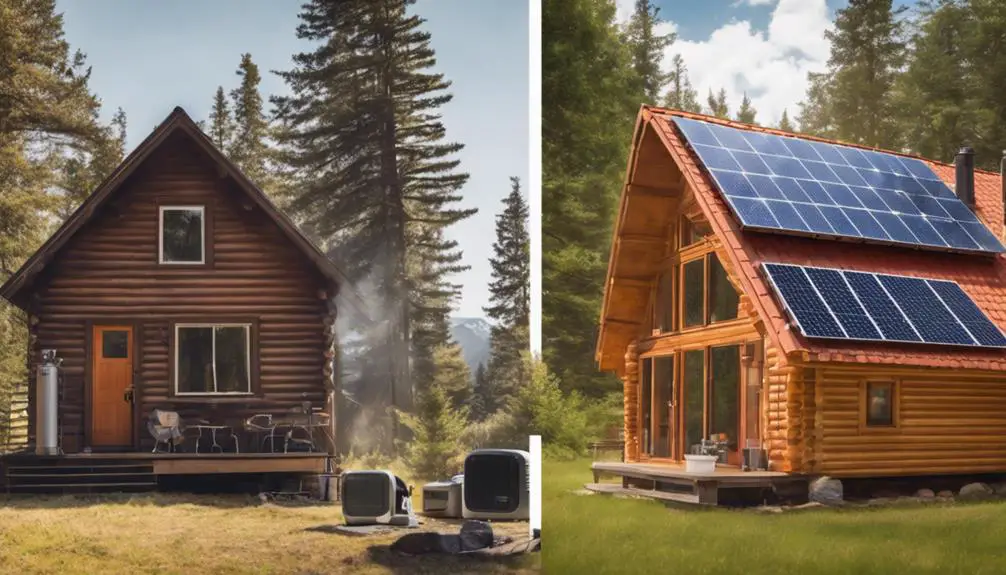
Introduction
Deciding how to power a remote or intermittently used cabin depends on how often you visit, what appliances you run, the local solar resource, fuel access, noise tolerance, and budget. This article compares solar-plus-storage (PV panels plus batteries and controls), fuel generators (portable or standby), and hybrid systems that combine both. The goal is a practical decision framework rather than a universal winner.
The basic difference
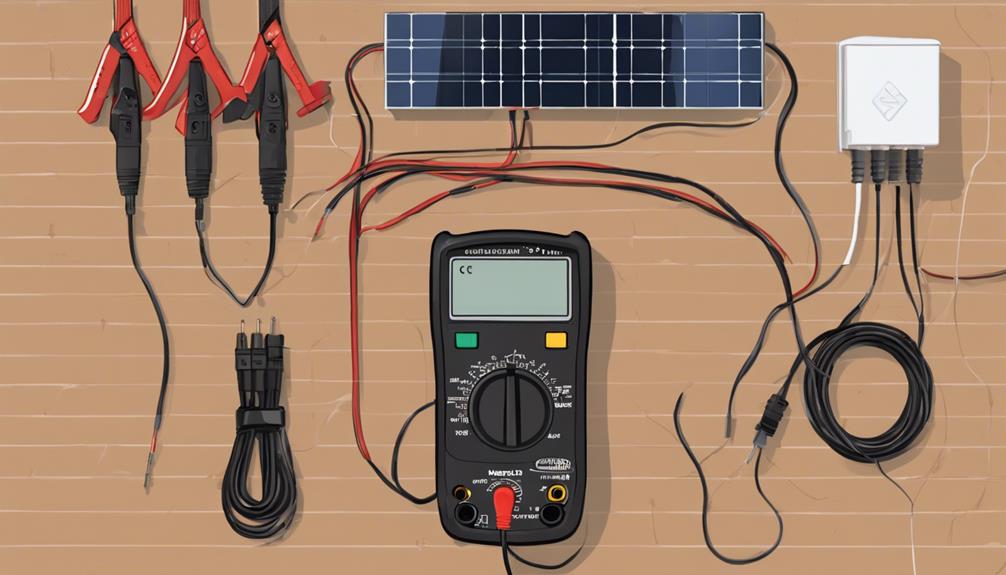
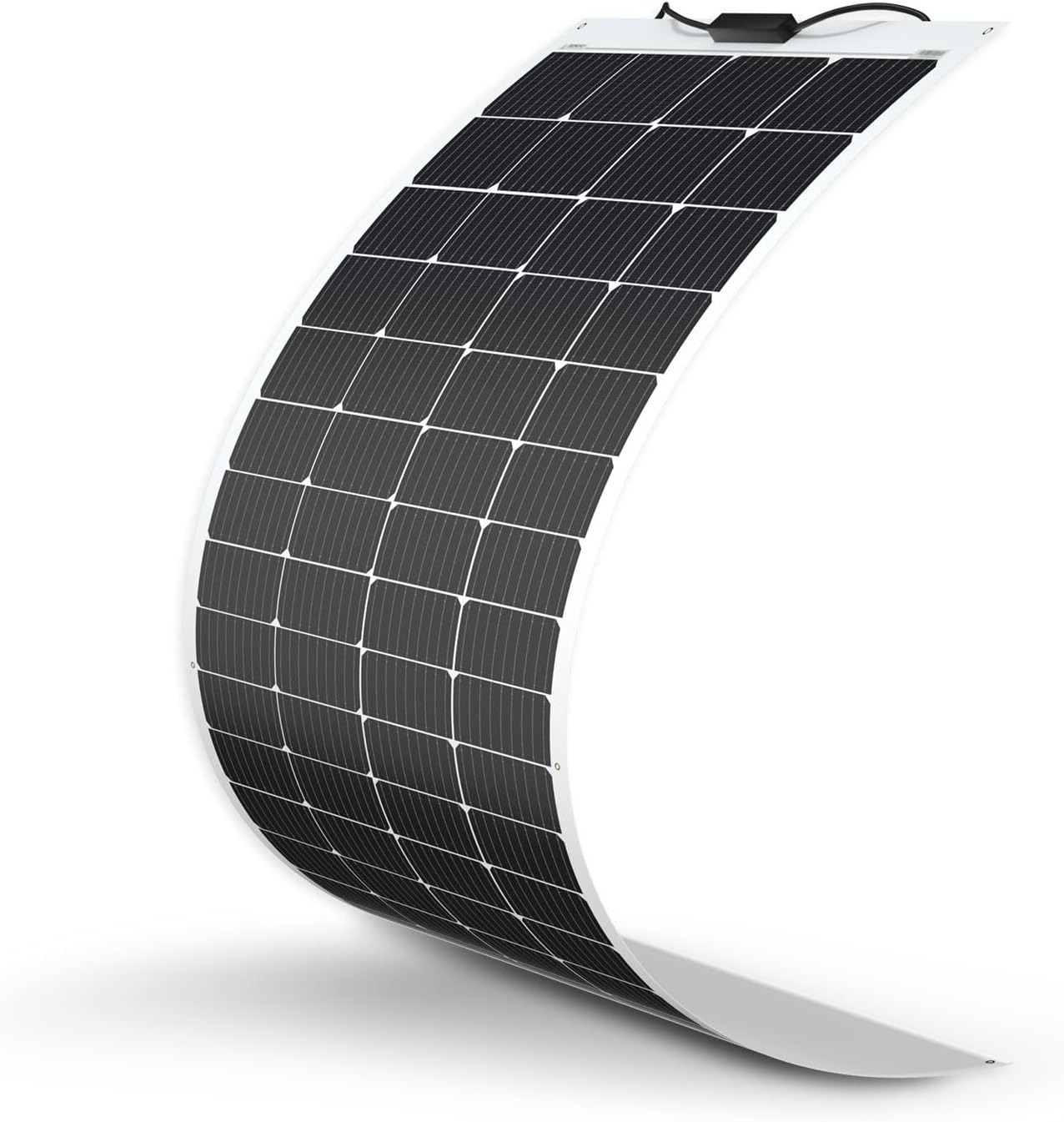
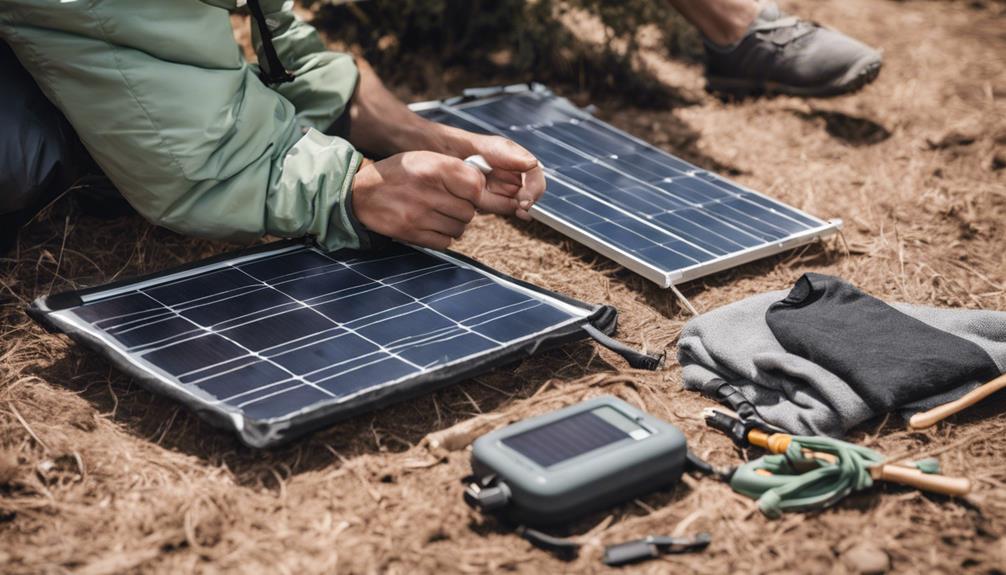
Solar-plus-storage uses photovoltaic (PV) modules to generate electricity and a battery energy storage system (BESS) to store it for nights and cloudy days. A complete off-grid AC system generally includes PV modules, batteries, a charge controller, an inverter/charger, mounting, wiring, disconnects, and protective equipment. A generator produces electricity on demand while consuming fuel; portable models are manually placed and started, while standby generators are permanently installed and often tied into a transfer switch.
Comparing total system cost and logistics
| Factor | Solar-plus-storage | Generator |
|---|---|---|
| Up-front cost | Panels, batteries, inverter/charger, controls, installation—higher system complexity | Generator, transfer equipment, fuel storage, installation—often lower initial hardware cost |
| Ongoing cost | Monitoring, periodic component replacement (batteries, inverter), inspections | Regular fuel purchases, oil/filters, test runs, repairs |
| Remote logistics | After installation, little recurring fuel transport; battery replacements eventually required | Repeated fuel transport and safe storage; fuel degradation and winter access can be limiting |
| Cost sensitivity | Strongly driven by required energy capacity (kWh) and usable battery capacity | Driven by runtime, fuel price, and how often the generator is used |
Power capacity, energy needs, and reliability
Distinguish power capacity (maximum watts the inverter or generator can supply now) from energy capacity (watt-hours or kilowatt-hours stored in batteries). A system can meet daily energy needs but still fail if it cannot handle surge or starting loads from pumps, compressors, or refrigerators.
Solar output varies by season, clouds, shade, dirt, and snow; peak sun hours at your specific site should guide PV sizing. Batteries provide night and short-term backup but have finite usable battery capacity and charge/discharge losses. Generators provide dispatchable power when fuel is available and can run long periods, but performance depends on correct sizing, fuel logistics, and maintenance.
Maintenance, convenience, and noise
- Solar-plus-storage: fewer moving parts and quieter operation. Still requires monitoring, periodic inspection, battery/inverter servicing, and attention to shading, snow, or debris on panels.
- Generator: routine engine maintenance (oil, filters), fuel management, test starts, and repairs. Portable units require manual setup; standby units may operate automatically but still need scheduled service.
- Noise and vibration: generators are loud and may disturb nearby neighbors; solar-plus-storage is quiet during operation.
Generator safety and carbon monoxide
Generator safety is critical. Portable generators must be operated outdoors at least 20 feet from the cabin, with exhaust directed away from windows, doors, vents, and other openings. Never run a generator inside a cabin, garage, shed, crawlspace, basement, or enclosed porch. Install working carbon monoxide (CO) alarms near sleeping areas and on every level of the cabin. Avoid backfeeding household circuits—use a properly installed transfer switch or plug loads directly into the generator’s outlets following code and manufacturer guidance.
Environmental and site considerations
Solar-plus-storage reduces on-site combustion emissions during operation, though manufacturing, transportation, battery production, and end-of-life recycling have environmental impacts. Generators emit combustion exhaust and require ongoing fuel use and storage. Site factors—roof condition, shading from trees, snow, wildfire risk, and security for outdoor equipment—affect the viability of PV arrays and generator placement.
When each option often makes sense
Solar-plus-storage is often best if:
- You visit frequently or occupy the cabin for weekends and extended stays.
- Year-round solar exposure is reasonably good and peak sun hours at your site support production.
- Your loads are low-to-moderate and you can size batteries for needed usable capacity.
- You want quiet, automatic operation and want to minimize recurring fuel logistics.
A generator may be preferable if:
- You visit only occasionally and want low initial cost.
- Solar exposure is poor due to shade, long winter darkness, or heavy snow cover.
- You have high short-term loads or need long run times without recharging batteries.
A hybrid system is often the most practical when:
Solar and batteries handle routine, quiet daytime and nighttime loads and a generator is kept for extended cloudy periods, heavy loads, or emergency recharging. Hybrid systems increase resilience but add cost and system complexity (controls, automatic or manual start capability, and proper transfer equipment).
Cabin decision checklist
- How many days per month or year is the cabin used?
- Inventory loads: refrigerator/freezer, well pump, water heater, heating, lights, communications, tools, medical equipment.
- Separate daily energy (kWh) from peak/surge (kW) needs.
- Assess site sun exposure, shading, snow, and peak sun hours for your location.
- Can fuel be transported and stored safely and reliably?
- Is unattended or automatic operation required?
- How tolerant are you of noise and maintenance duties?
- Is cabin wiring and paneling ready for inverter/charger or generator interconnection and a critical loads panel?
- How much usable battery capacity do you want for cloudy or winter stretches?
- Is a hybrid system worth the added cost and complexity for your resilience needs?
Conclusion
There is no single correct answer. Solar-plus-storage often delivers quiet, lower-operating-emissions power for frequent or moderate-use cabins with decent sun, while generators can be a lower-cost initial option for infrequent use or poor solar sites. Hybrid systems provide the most resilience where budget and complexity are acceptable. Use a site-specific load inventory and solar resource estimate to guide sizing, and prioritize generator CO safety, correct transfer equipment, and proper maintenance for whichever approach you choose.