Installing solar panels for barn spaces is an increasingly popular option for homeowners and small-scale farmers who want reliable, low-cost energy and reduced dependence on the grid. Whether your barn supports livestock, stores equipment, or functions as a workshop, a correctly sized solar system can power lighting, ventilation, water pumps, refrigeration, and more. This article explains how to plan and install solar power for barn settings, compares mounting options, outlines cost considerations, and highlights common use cases and maintenance needs. Owners considering barn panels can also learn from practical home solar installation strategies and sizing.
Why choose solar panels for barn projects
Barns often sit on open land with good sun exposure, making them ideal candidates for solar installations. Solar panels for barn roofs or nearby ground mounts capture energy during daytime when many agricultural tasks are performed, reducing electricity bills and fuel use from generators. For property owners who rely on well pumps, refrigeration for feed or dairy, or electric fencing, solar power for barn setups can provide consistent, low-maintenance electricity. In addition to operating equipment, a barn-mounted system contributes to the broader residential solar panels strategy across a property, increasing overall energy resilience and sustainability.
Assessing your barn’s energy needs
Start by listing the equipment and appliances you want to power: LED lighting, circulations fans, brooders, water heaters, milkers, vacuum pumps, and security systems are common loads. Calculate the daily energy consumption for each device (watts multiplied by hours of use) to derive a realistic kilowatt-hour estimate. This baseline determines system size and whether you need a grid-tied system with net metering, a battery backup for off-grid reliability, or a hybrid setup. Don’t forget seasonal variations—ventilation fans may run more in summer, while heaters increase winter demand—so account for peak and average usage.
Sizing the system
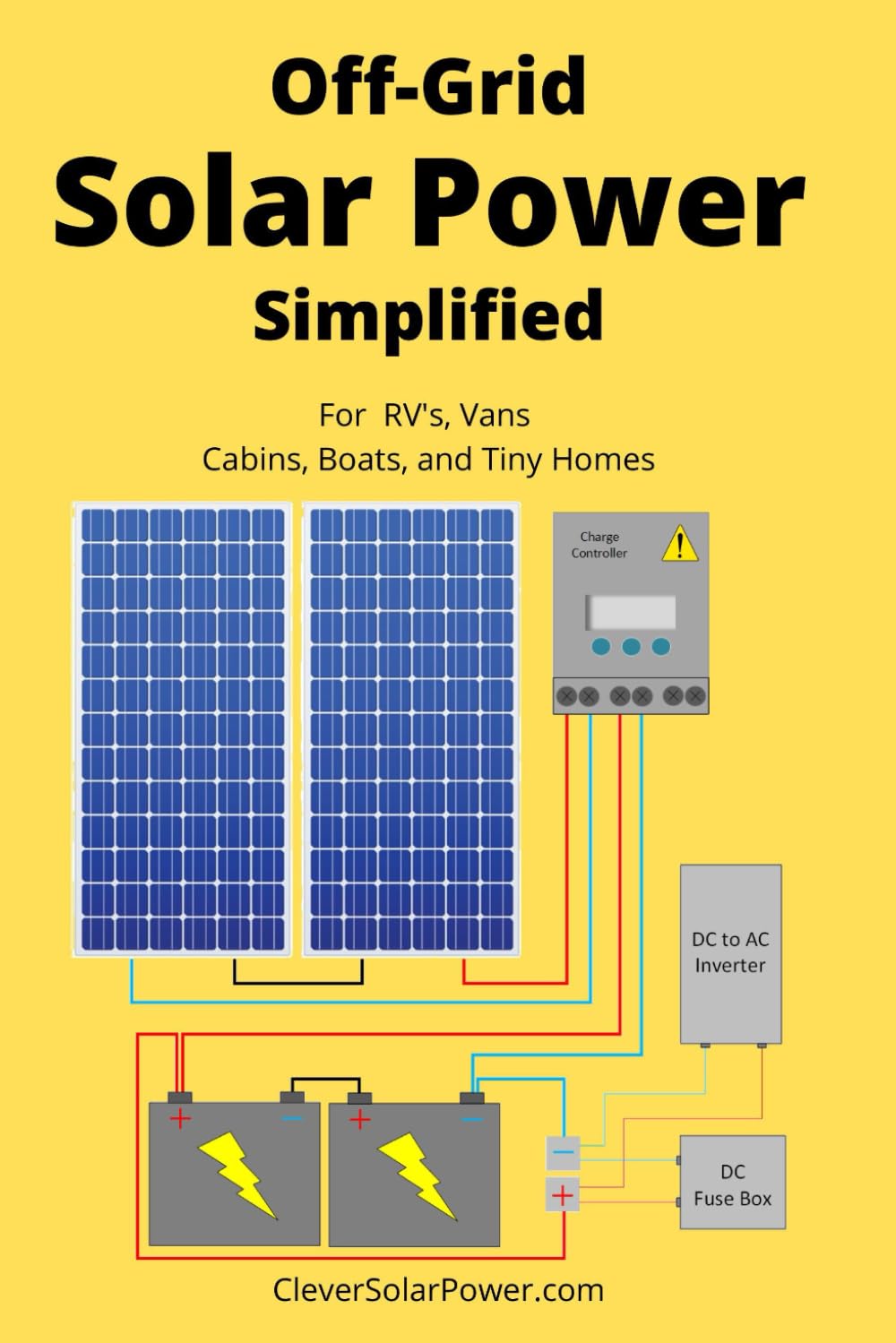
Once you have a daily kilowatt-hour requirement, factor in your location’s solar irradiance, roof orientation, and available square footage. A photovoltaic array that meets barn loads should also include a buffer for cloudy days and future expansion. Consulting with a solar installer who understands agricultural systems helps convert your energy profile into an optimal panel count, inverter capacity, and battery bank size if storage is needed.
Mounting options and system layout
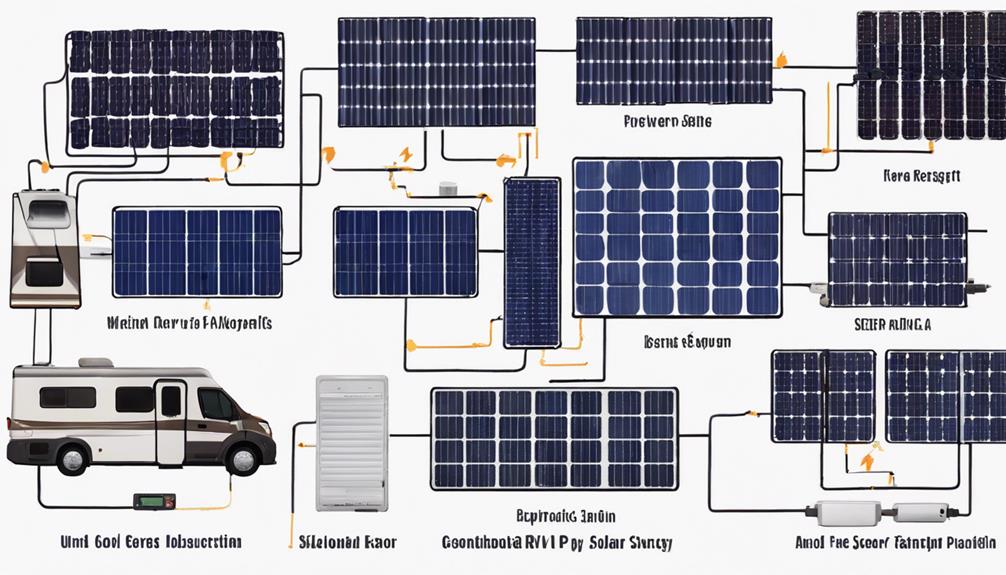
Barns offer several mounting choices depending on roof type and land availability. Roof-mounted systems are often the most cost-effective, especially on south-facing metal roofs common on agricultural buildings. If the barn roof has limited space, ground-mounted arrays or pole-mounted panels allow adjustable tilt and easier maintenance. For properties that need both shade and functionality, solar canopies over driveways or equipment storage areas provide covered space plus energy production. When planning layout, consider snow shedding, wind uplift, and load-bearing capacity of the roof to ensure the structure supports the panels and racking.
Roof-mounted versus ground-mounted considerations
Roof-mounted installations save land and typically cost less to install, but they depend on roof condition and orientation. Ground mounts add flexibility for tilt and placement but require additional site preparation and potentially fencing to protect panels from livestock. Pole mounts can be elevated above feed areas to reduce shading and animal interference. Discuss structural assessments with a professional to determine if roof reinforcement is needed and to confirm compliance with local building codes. When planning solar panels for a barn, calculating panel watt density ensures realistic energy estimates for roof area.
Cost, incentives, and payback
Initial costs for solar panels for barn setups vary widely based on system size, mounting complexity, and whether batteries are included. While upfront investment can be significant, financial incentives often improve the economics. Agricultural owners may qualify for federal tax credits, state rebates, or utility programs that lower installation costs. Additionally, programs aimed at rural electrification and farm energy efficiency sometimes offer grants or low-interest financing. Payback periods depend on energy rates, system size, and available incentives, but many barn owners find systems pay for themselves over several years through reduced electricity and fuel expenses.
Practical use cases and maintenance
Solar power for barn installations supports a range of practical applications. Many farms use solar to run well pumps for livestock watering, operate milk cooling systems, and power lighting and security cameras. Portable battery systems charged by panels can keep tools and sensors running in remote outbuildings. During power outages, a hybrid system with battery storage maintains critical loads like freezers or automatic feeders. For barns with seasonal operations, designers can tailor systems to handle peak periods while keeping costs manageable.
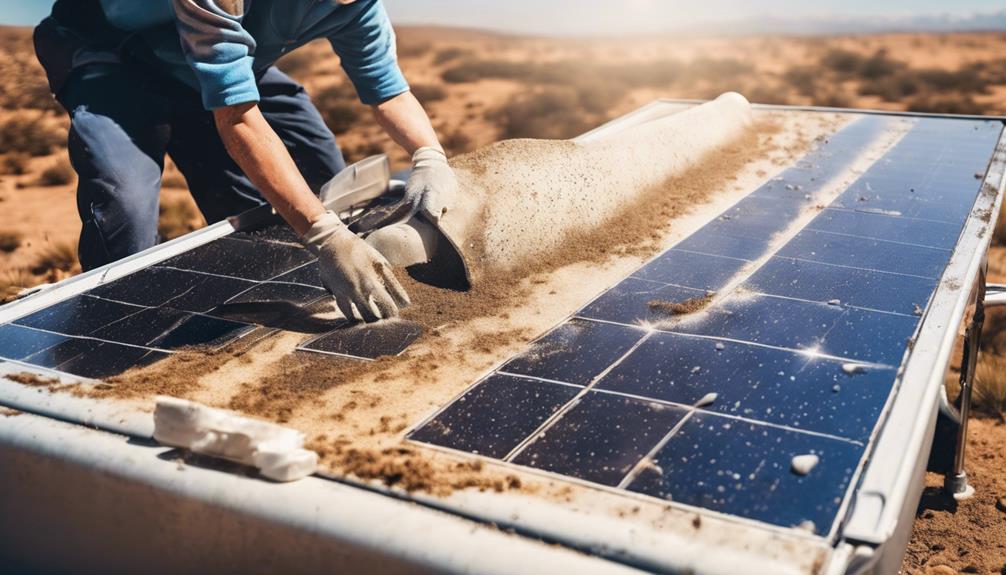
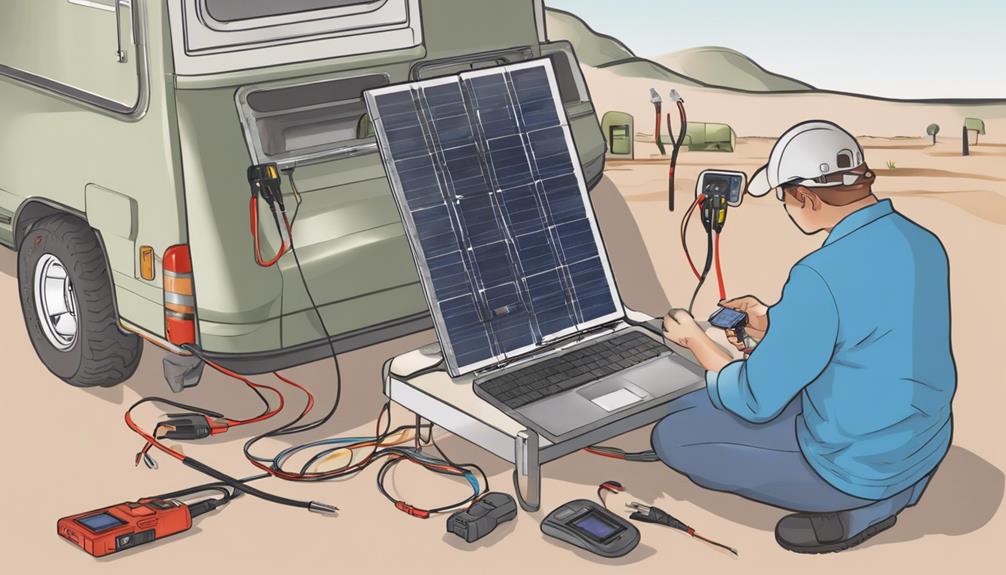
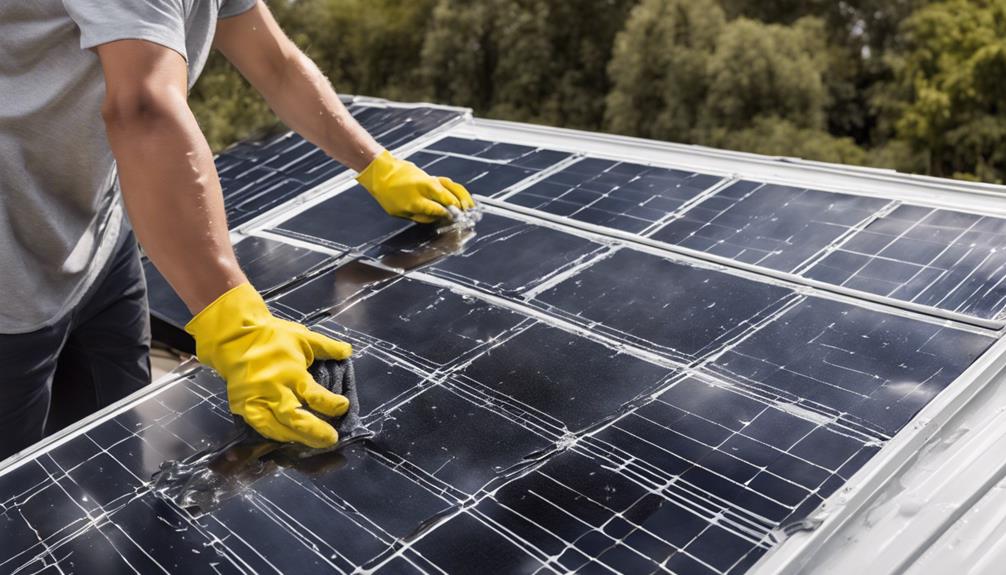
Maintenance for barn-mounted solar is straightforward: keep panels clear of debris and bird droppings, inspect for loose wiring and racking corrosion, and monitor system performance through the inverter or monitoring app. Metal roofs typically require less frequent maintenance than shingled roofs, but all systems benefit from periodic professional inspections. Ensuring adequate clearance around panels prevents shading from new trees or structures and helps sustain optimal energy production for years.
Installing solar panels for barn spaces is a practical and increasingly affordable step toward energy independence for residential and small-scale agricultural properties. By assessing energy needs, choosing the right mounting and system configuration, and taking advantage of incentives, barn owners can create reliable solar power for barn applications that reduce operating costs and improve resilience. With proper sizing and routine maintenance, a barn solar installation becomes a durable, productive part of a residential solar panels strategy that benefits both the farm and the wider property.