Meta: Practical guide to the main solar technologies (PV, CSP, passive design), common applications, costs & incentives, and how to evaluate options for homes and buildings.
Quick overview: what “solar energy technologies” includes
“Solar energy technologies” covers a range of ways to capture sunlight and use it for heat, electricity, or building performance. The main electricity-producing approaches are photovoltaic (PV) — semiconductor panels that convert sunlight to DC electricity — and concentrating solar power (CSP), which uses mirrors to concentrate sunlight into heat for turbines or thermal storage. Separately, passive solar design uses building layout, glazing, shading, and thermal mass to heat and cool spaces without mechanical systems, while active solar thermal (solar hot water, space heating) uses collectors plus pumps or fans.
How photovoltaic (PV) systems work
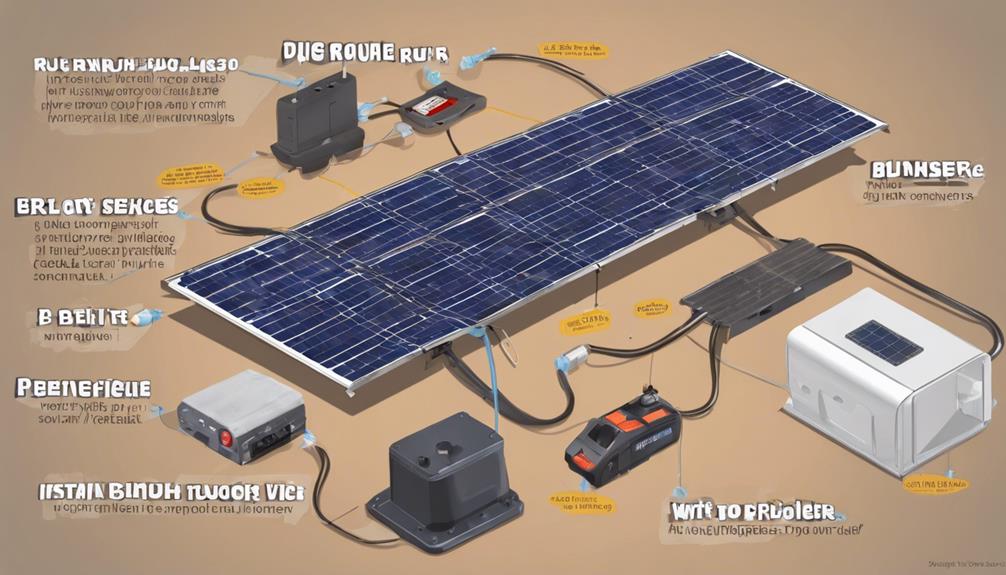
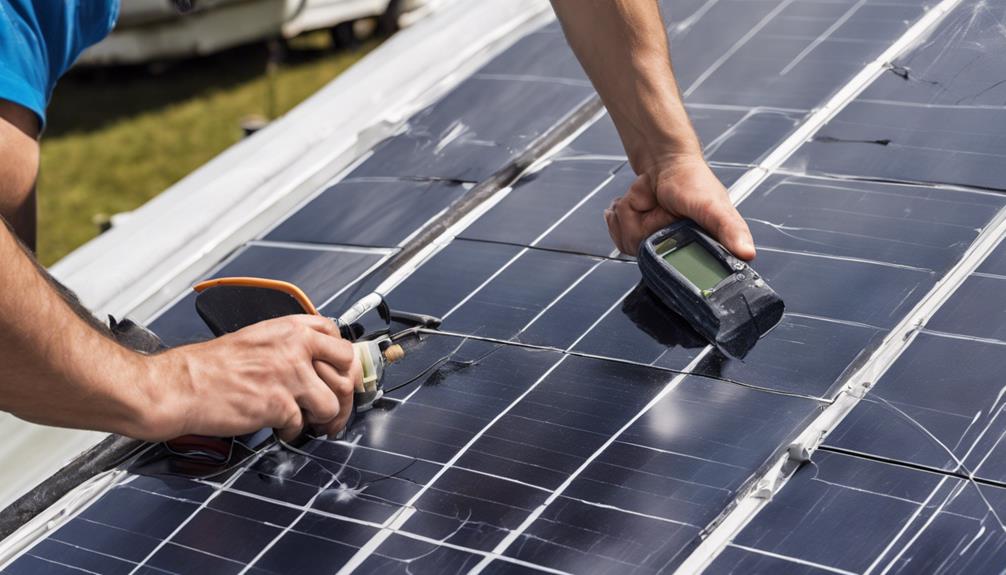
PV panels generate direct current (DC) electricity when sunlight hits semiconductor cells. That DC is converted to alternating current (AC) by an inverter so it can power household circuits or be exported to the grid. A complete PV system also includes racking, wiring, a meter, and other balance-of-system (BOS) components.
Typical PV system components:
- Solar modules (panels)
- Inverter(s): string inverters, microinverters, or power optimizers
- Mounting/racking and roof or ground structure
- Electrical wiring, connectors, and safety devices
- Monitoring equipment and the utility meter/interconnection hardware
PV is dominant for both distributed rooftop systems and utility-scale arrays, and has been the largest source of new power capacity worldwide in recent years (see REN21/IRENA summaries for annual deployment data).
How concentrating solar power (CSP) works
CSP plants use mirrors or lenses to focus sunlight onto a receiver, producing heat that drives a turbine or charges thermal storage. CSP is typically utility‑scale and is most effective in high‑insolation regions. Its defining advantage is built‑in thermal storage (molten salt or other media), which can provide dispatchable power after sunset.
Passive vs active solar for buildings
Passive solar design optimizes building orientation, window placement, shading, and thermal mass to reduce heating and cooling loads. Active solar systems use collectors and mechanical components to move heat for water or space heating. Both reduce energy use but work differently than PV/CSP electricity generation.
Common system types and applications
- Rooftop residential and commercial PV — the most familiar form for homeowners and businesses.
- Utility‑scale PV and CSP — large arrays and CSP fields that supply bulk electricity to the grid.
- BIPV (building‑integrated photovoltaics) — PV integrated into roof materials, façades, or skylights.
- Agrivoltaics / dual‑use PV — co‑locating agriculture and PV to share land use.
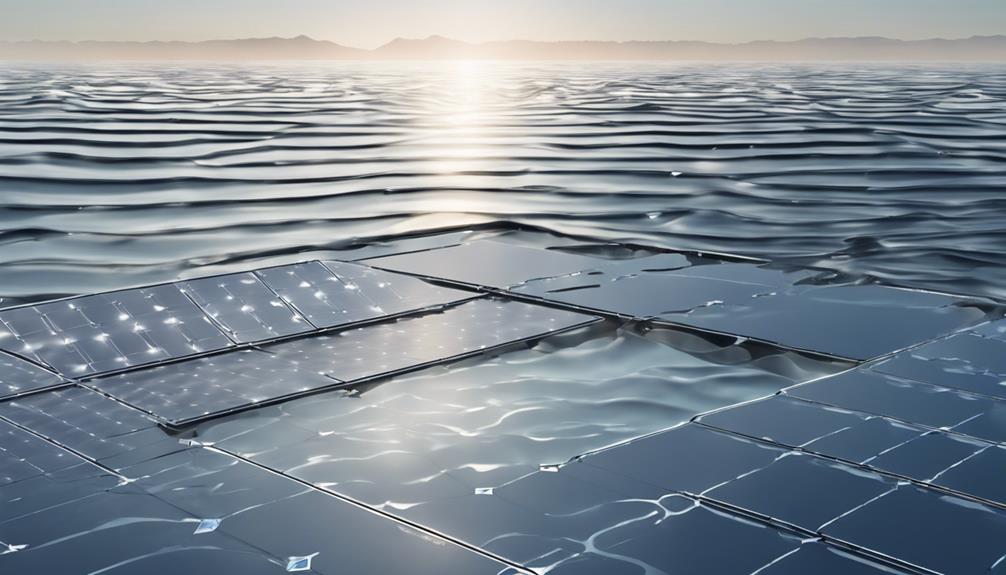
- Floating PV (FPV) — systems deployed on reservoirs or other water bodies.
- PVT (photovoltaic‑thermal) hybrids — modules producing electricity and capturing heat for water/heating.
Costs and what affects them
Installed solar costs vary by system size, location, and local rules. In the U.S., the authoritative baseline for system cost estimates is NREL/DOE’s Solar Photovoltaic System Cost Benchmarks (Q1 2024 and later updates). Those benchmarks break costs into hardware (panels, inverters, racking) and soft costs (permitting, labor, customer acquisition). Before publishing or making purchase decisions, check the latest NREL/DOE benchmarks and local incentive portals because prices and incentives change over time.
Grid integration and energy storage
Pairing PV with battery energy storage (solar+storage) is increasingly common for resilience and to match generation with time‑of‑use rates. Storage adds cost but can reduce grid dependence, shift consumption to low‑cost windows, and provide backup during outages. Economics depend heavily on local net‑metering rules, utility tariffs, and available incentives (see NREL/DOE solar+storage analyses).
Environmental and permitting considerations
Solar reduces lifecycle greenhouse gas emissions compared with fossil fuels, but projects have land‑use, material, and end‑of‑life considerations. Large projects require environmental review; rooftop systems usually need local permits and electrical inspections. Manufacturers and industry groups increasingly support panel recycling and extended warranties.
How to evaluate options: a homeowner checklist
- Roof suitability: orientation, shading, age, and remaining lifetime.
- Installer credentials: licensed, insured, and references; check local licensing boards.
- Permits & interconnection: confirm who applies and expected timelines.
- Financing and incentives: rebates, tax credits, and state/local programs affect payback.
- Warranties & performance guarantees: panel and inverter warranties, workmanship warranty.
- Consider storage only after modeling savings under local rate structures and outage needs.
- Get multiple quotes and ask for a modeled production estimate and payback/IRR assumptions.
Future trends & closing
Near‑term trends include more solar+storage installations, wider use of bifacial modules and trackers at utility scale, growth in BIPV and agrivoltaics, and research on advanced cells (tandems, perovskites). Solar technologies have matured over decades; recent rapid cost declines and scaling make them an increasingly central part of building electrification and decarbonization strategies.
Safety and legal note
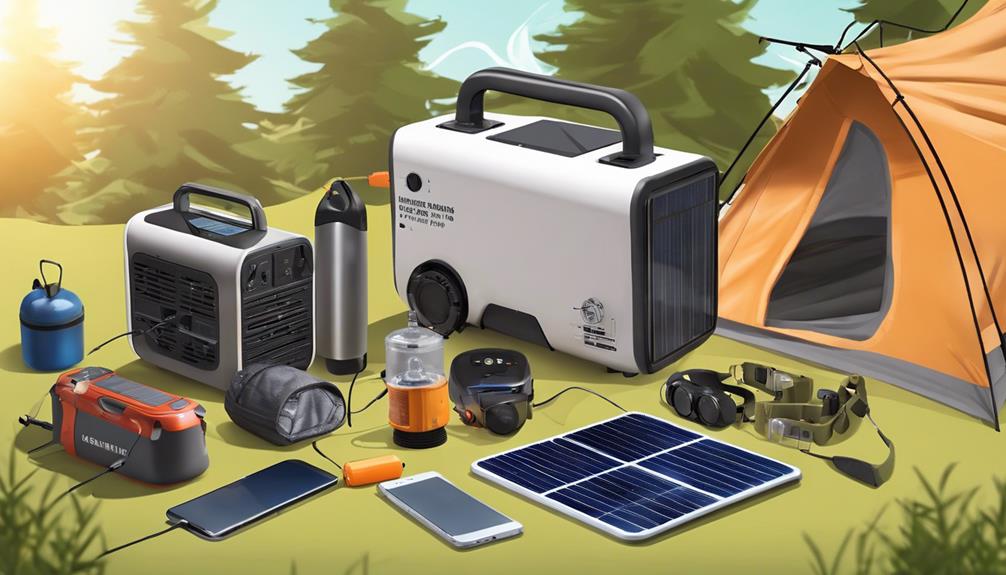
Always consult licensed local installers and follow local permitting and electrical code requirements. DIY kits exist for learning or small off‑grid projects, but full residential systems require professional design, permitting, and safe interconnection.
Further reading
- U.S. Department of Energy — How Does Solar Work?
- NREL — Solar Photovoltaic System Cost Benchmarks (Q1 2024) and passive solar resources
- REN21 / IRENA — global renewable energy status and deployment trends
- SEIA / Wood Mackenzie — U.S. solar market reports
Note: If publishing after July 13, 2026, verify the latest cost and market figures (NREL, DOE, SEIA/IRENA) before final publication because prices, incentives, and policies change frequently.