Integrated solar panels are changing how homeowners and businesses think about renewable energy by blending photovoltaic technology directly into building materials and systems. As part of the broader shift toward hybrid solar systems, integrated solar solutions offer aesthetic, space-saving, and efficiency advantages that conventional rack-mounted arrays cannot always match. This article explores what integrated solar panels are, how they function within hybrid systems, practical use cases, installation and design considerations, and real-world benefits to help you determine whether integrated solar is a viable option for your energy goals. Explore integrated panel strategies to combine rooftop panels with storage for efficient hybrid configurations.
What are integrated solar panels and how do they fit into hybrid solar systems?
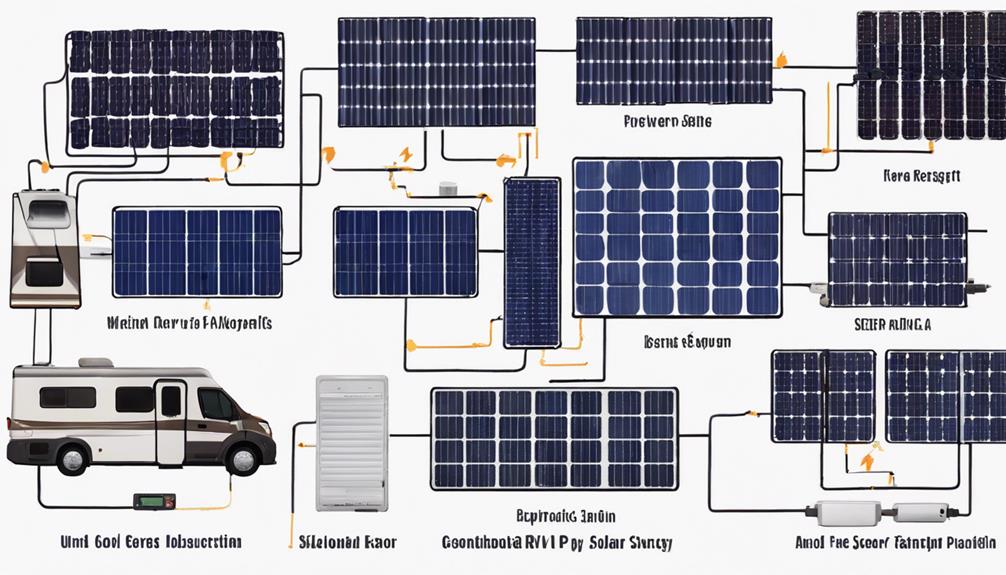
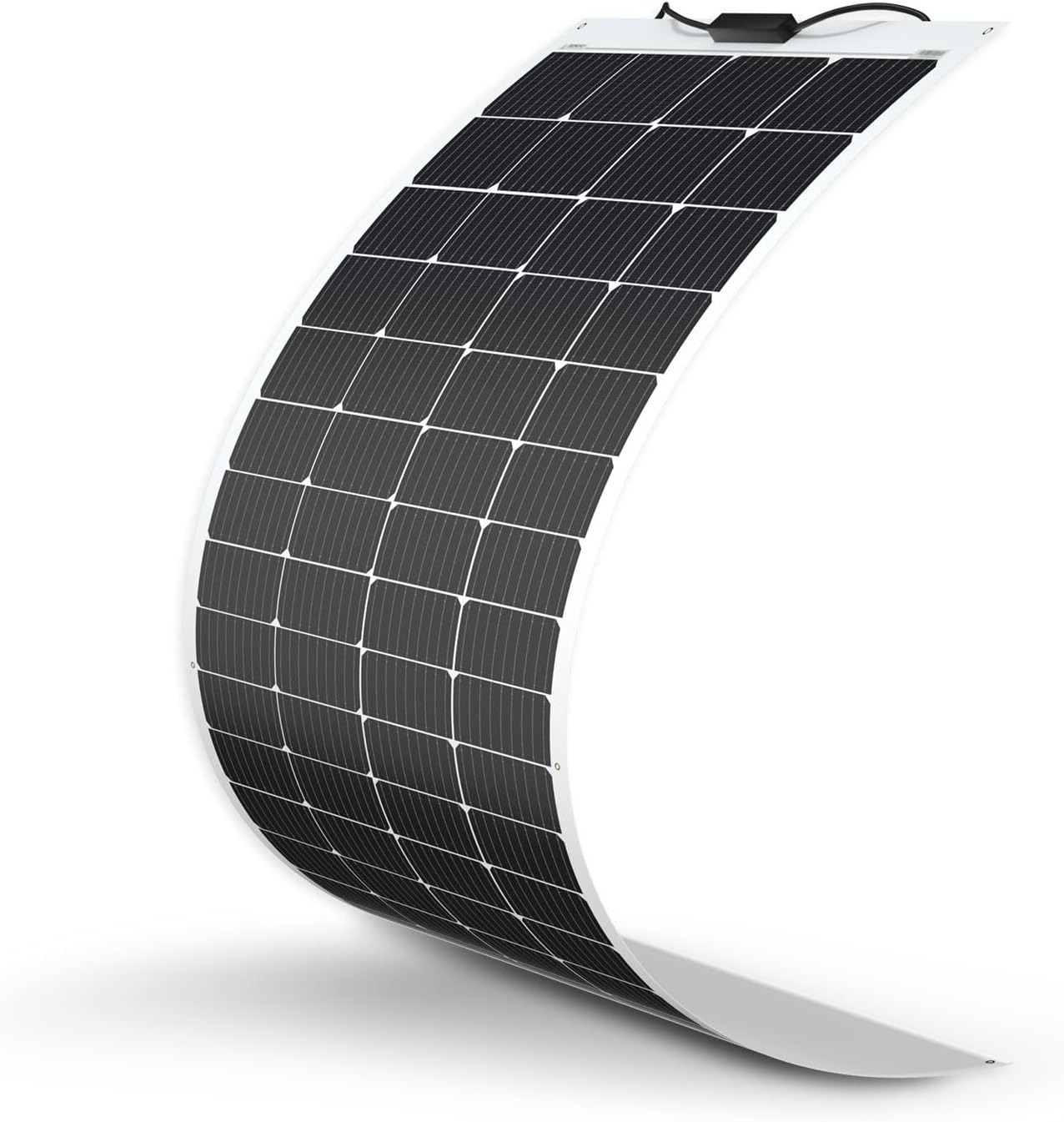
Integrated solar panels refer to photovoltaic components that are built into structural elements such as roofs, facades, canopies, or glazing, rather than being mounted on top of existing surfaces. Integrated solar technology can include building-integrated photovoltaics, thin-film modules, and solar shingles, each designed to replace or supplement traditional construction materials. When integrated solar is combined with battery storage, smart inverters, and grid-tied generation, it becomes part of a hybrid solar system that balances on-site generation with energy storage and grid interaction. Hybrid solar systems that include integrated panels can provide more consistent power delivery, reduce transmission losses, and enhance the visual integration of renewable energy into buildings.
Practical use cases for integrated solar panels
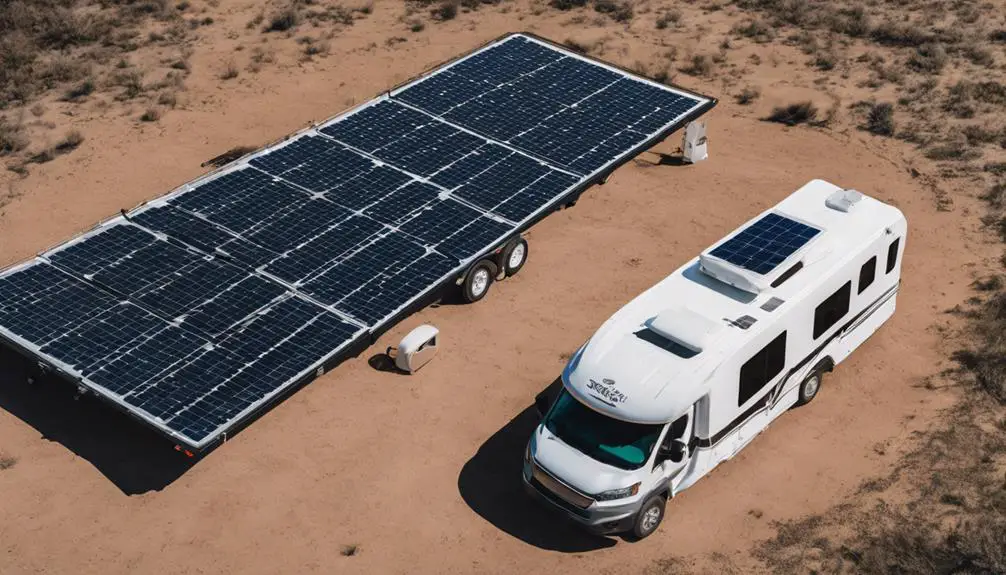
Integrated solar panels are particularly useful where aesthetics, limited roof space, or building regulations make conventional installations difficult. Residential projects often favor solar shingles or slate-like panels that preserve the look of historic properties while delivering clean energy. Commercial buildings can use photovoltaic glazing and facade panels to turn office walls and atriums into energy-generating surfaces, while parking structures and transit shelters commonly incorporate integrated canopies to provide shade and localized generation. In remote or off-grid applications, integrated solar paired with battery storage and a backup generator forms a compact hybrid system that delivers reliable power for cabins, agricultural operations, and telecommunications equipment without the need for extensive mounting infrastructure.
Design and installation considerations
Designing with integrated solar panels requires early coordination between architects, engineers, and solar professionals. Roof pitch, orientation, and shading still influence energy yield, but integrated systems also demand attention to waterproofing, thermal expansion, and load-bearing requirements. Building-integrated photovoltaics that replace roofing tiles or facade cladding must meet local building codes and fire ratings, and installers should consider access for maintenance and module replacement. For hybrid solar systems, selecting compatible inverters and battery systems is crucial; hybrid inverters that manage both grid interaction and energy storage simplify controls, while smart energy management software optimizes when to store or dispatch power for peak shaving, backup, or grid services.
Performance, durability, and maintenance
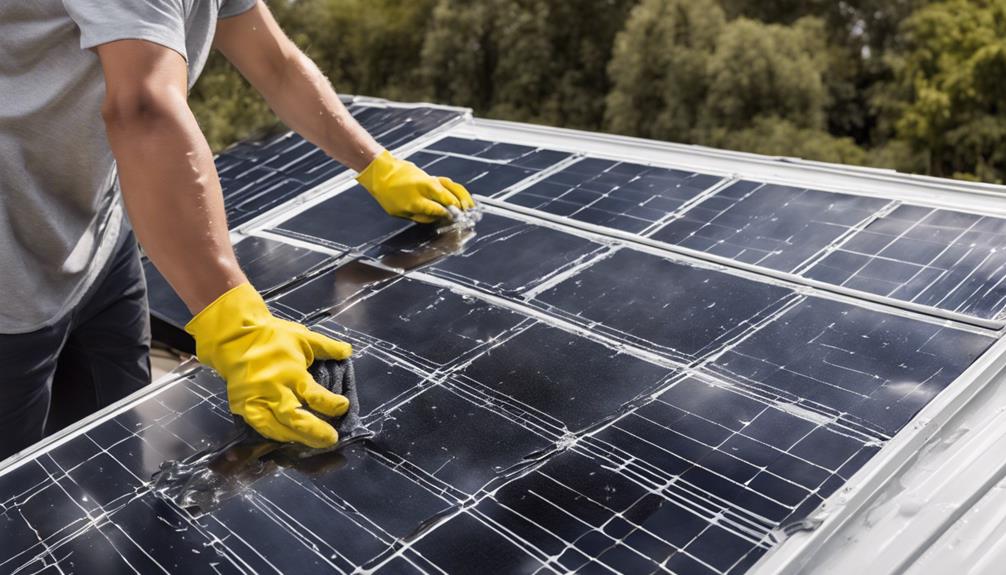
Integrated solar panels can match the performance of traditional modules when properly designed, though some integrated solutions sacrifice a small amount of efficiency for aesthetics or flexibility. Advances in cell technology and encapsulation have improved durability, and many integrated products come with performance warranties comparable to conventional panels. Maintenance considerations differ depending on the integration: solar shingles may require roof-specific inspections, while facade systems need checks for seal integrity and drainage. In hybrid systems, periodic testing of battery health and inverter firmware updates is essential to maintain overall system performance and to ensure seamless switching between stored energy and grid power during outages. Integrated solar panels can complement hybrid power systems by reducing fuel dependence and extending backup runtime.
Cost, incentives, and return on investment
Upfront costs for integrated solar panels are often higher than for standard rooftop arrays because they replace building materials and may require specialized labor. However, when integrated solar replaces the cost of premium roofing or facade materials, the incremental expense can be considerably lower than expected. Financial incentives, tax credits, and rebates applicable to photovoltaic installations generally extend to integrated systems, improving the payback period. In a hybrid solar system, the addition of storage increases initial costs but can deliver value through demand charge reductions, enhanced self-consumption of generated energy, and backup power during outages. Long-term savings are influenced by local electricity rates, net metering policies, and how effectively the system is sized and managed to match consumption patterns.
Choosing the right integrated solar solution for your project
Selecting an integrated solar product starts with defining project priorities: whether the focus is on maximum energy yield, architectural integration, or resilience through hybrid capabilities. Engage with designers early to evaluate building orientation, structural capacity, and aesthetic goals. Request performance modeling that compares integrated options with conventional panels under the same site conditions, and ensure that warranties cover both energy production and the building elements being replaced. For hybrid solar systems, evaluate battery chemistry, cycle life, and the inverter’s compatibility with both the photovoltaic array and the local grid. A systems integrator experienced with integrated solar can provide a holistic plan that balances appearance, performance, and lifecycle costs.
Integrated solar panels represent a versatile approach to incorporating renewable energy into buildings while supporting the objectives of hybrid solar systems. By replacing or augmenting traditional building materials, these systems offer design flexibility and the potential for improved resilience when paired with storage. Although costs and technical requirements differ from conventional installations, thoughtful design and selection can yield strong long-term benefits, including reduced energy bills, lower carbon footprints, and reliable backup power. Whether retrofitting an existing property or planning new construction, integrated solar is a compelling option to consider within the hybrid solar systems landscape.