Building your own solar panels can be an empowering way to reduce electricity bills and learn solar basics, but it requires planning, the right materials, and an understanding of installation and costs. This article explains how to build solar panels and how to set up a safe, functional solar power system for a home or small off-grid application. You will learn about the key components, a practical step-by-step overview for a basic solar power setup, how to hook up solar panels to batteries and inverters, and how to estimate costs so you can decide whether to make your own solar system or hire a professional.
Planning your solar array setup and permits
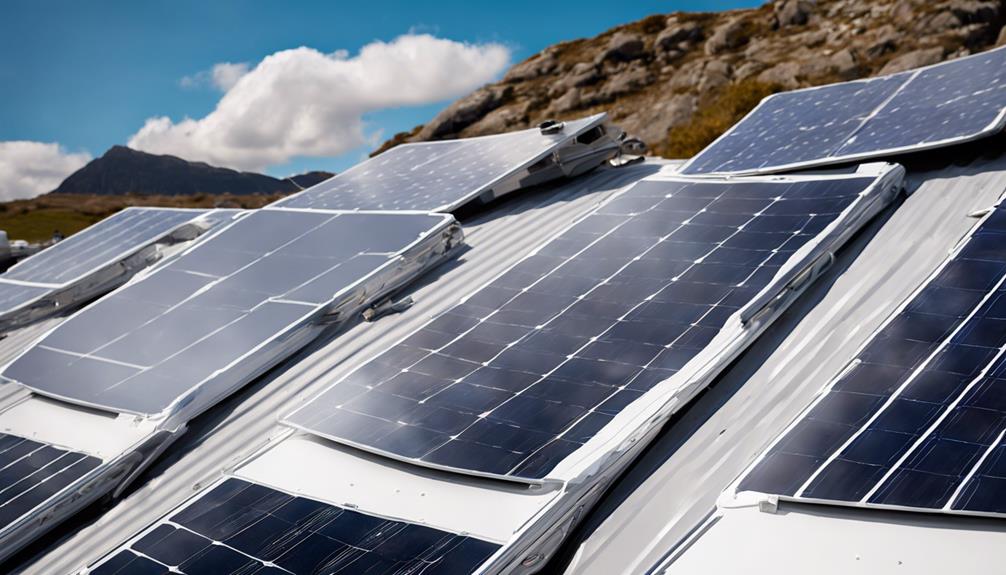
Before you start making solar components, take time to plan your solar panel setup. Identify where the panels will be mounted, whether on a roof or a ground-mounted rack, and check local building codes and permitting requirements. Municipalities often require permits for setting up a solar power system, and utility companies may have interconnection rules if you intend to feed excess power back to the grid. Solar for beginners should begin with a site assessment measuring sun exposure, roof angle, and shade patterns across the year. Proper planning reduces surprises and helps you estimate how many watts of panels you need for your intended loads.
Essential components: solar panel basics and system parts
A functioning solar panel system includes more than just photovoltaic cells. Core components of a basic solar power system include the solar modules themselves, a mounting structure for the solar array setup, wiring and connectors, a charge controller for battery-based systems, battery storage if you want off-grid operation or backup, and an inverter to convert DC to AC for household use. When you learn how to build solar panels or how to build a solar panel system, understanding each part’s role helps you configure a reliable system. Solar panel basics also cover safety components like fuses and disconnects that protect equipment and meet code.
How to build solar panels and assemble a simple solar setup
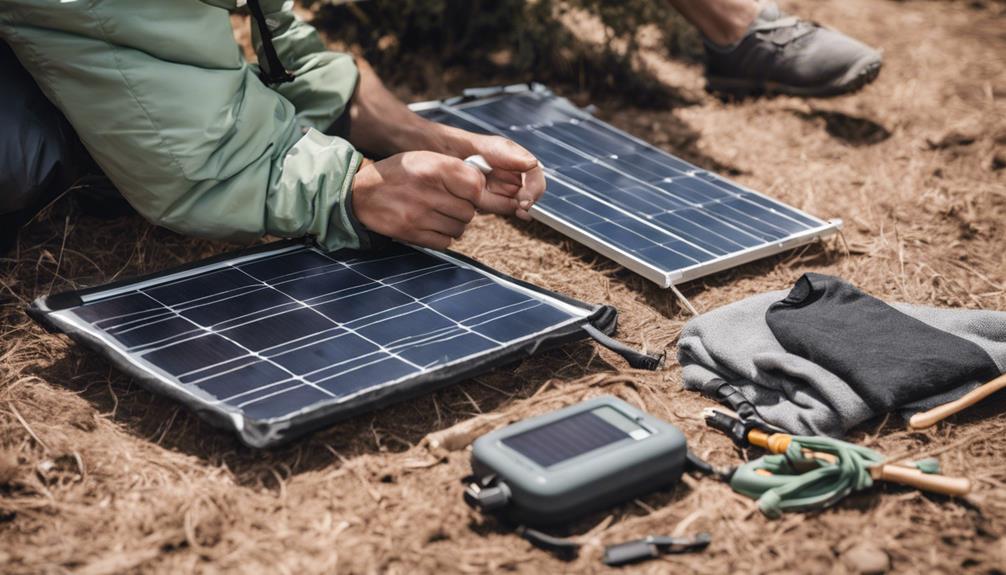
For those wondering how to build solar panels from scratch, the most practical route for beginners is to assemble pre-manufactured solar cells into a framed panel and wire them in series or parallel to reach desired voltage and current. First, lay out solar cells on a backing, solder bus wires between cells, and seal the assembly under tempered glass with a weatherproof frame. For many DIYers, an easier alternative is buying complete solar modules and focusing on how to set up solar panels and how to hook up solar panels to the rest of the system. Once panels are ready, mount them in a secure array, connect to a charge controller or inverter, and configure grounding and safety disconnects. How to configure solar panels depends on whether you are creating a grid-tied system, off-grid battery system, or hybrid setup.
Setting up wiring, inverters, and how to hook up solar panels
Wiring and electrical integration are where most mistakes happen, so take care when setting up a solar power system. If you plan to make your own solar system, learn how to assemble solar panel system wiring diagrams and follow manufacturer instructions for inverters and charge controllers. For a battery-based setup, panels feed a charge controller which charges batteries; an inverter then converts battery DC to AC for household circuits. In grid-tied systems, a grid-tie inverter synchronizes with utility power and often requires a professional inspection. Safety is critical: proper fusing, correct wire gauge, and secure weatherproof connections minimize fire risk. For solar power for beginners, consult a licensed electrician for the final hook up if you are not fully confident with electrical work.
Costs, ROI, and whether to DIY or hire installers
Understanding costs is central to the project. Components for a basic solar setup can range widely in price depending on capacity and quality. Buying individual cells and building panels lowers material costs but increases time and potential inefficiency. Purchasing complete solar modules and doing the mounting yourself is a common compromise. When evaluating how to build solar power affordably, factor in panel costs, mounting hardware, inverter and battery costs, permits, and potential inspection or interconnection fees. Labor costs for professional installation can be significant but often result in faster and code-compliant deployments. Consider estimated energy savings and local incentives to calculate payback—solar system installation and costs vary by region, and many jurisdictions offer rebates that improve ROI.
Maintenance, troubleshooting, and long-term considerations
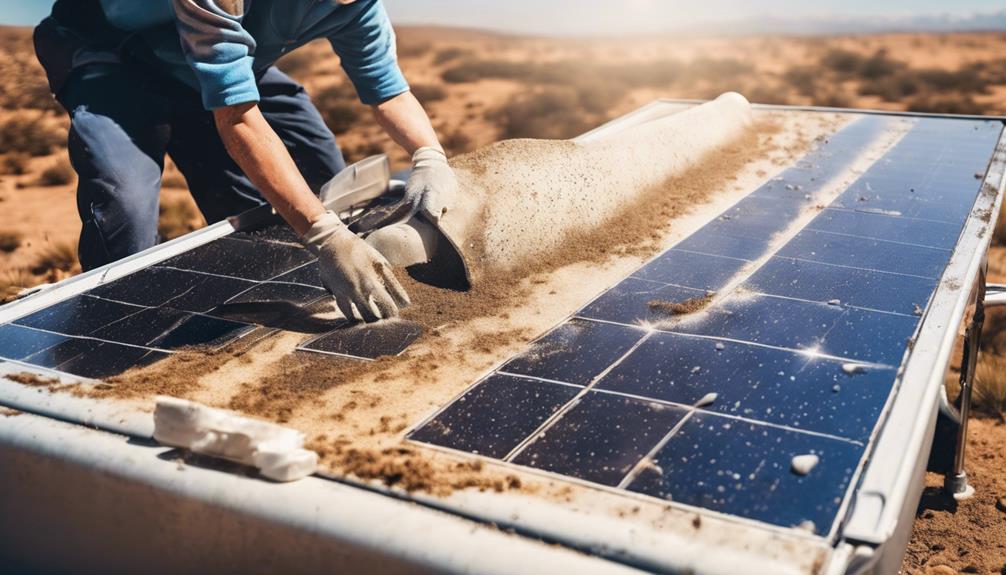
Once your system is operational, ongoing maintenance keeps performance high. Solar panels generally require minimal care—periodic cleaning and inspections for loose connections, corrosion, or shading issues are common tasks. Monitoring system output helps detect faults early, especially in systems you configured yourself. If you are making solar adjustments later, such as expanding the solar array setup or adding batteries, ensure new components match voltage and current requirements. For those exploring how to set up solar energy at home for the first time, start with a simple solar setup and expand once you are comfortable with the basics.
Building solar panels and setting up a home solar system can be a rewarding project that reduces energy costs and increases resilience. Whether you choose to assemble panels yourself or buy ready-made modules, careful planning, adherence to safety standards, and clear cost analysis are key. By following solar power basics, understanding how to hook up solar panels properly, and weighing DIY versus professional installation, you can create a reliable solar power system that fits your needs and budget.