Converting solar energy into usable power for a home is no longer a futuristic idea; it is a practical, increasingly affordable choice for many homeowners. This article explains the basics of converting solar, how home systems operate, the technology behind the transformation solar brings to homes and communities, and the real savings and benefits you can expect. Whether you are just curious about the concept or actively researching a home installation, the following overview will help you make informed decisions and understand how this clean energy option fits into a broader savings strategy.
What does converting solar mean in practice?
At its simplest, converting solar means capturing sunlight and transforming it into electricity or thermal energy that can be used in a home. The most common approach is photovoltaic panels that convert photons from sunlight into direct current electricity. That electricity is then converted to alternating current by an inverter so it can power household appliances, lighting, and electronics. Another approach is solar thermal, which converts sunlight into heat for water or space heating. Both methods represent a movement away from reliance on fossil fuel generated grid power toward a cleaner, distributed energy model.
How does home solar power work
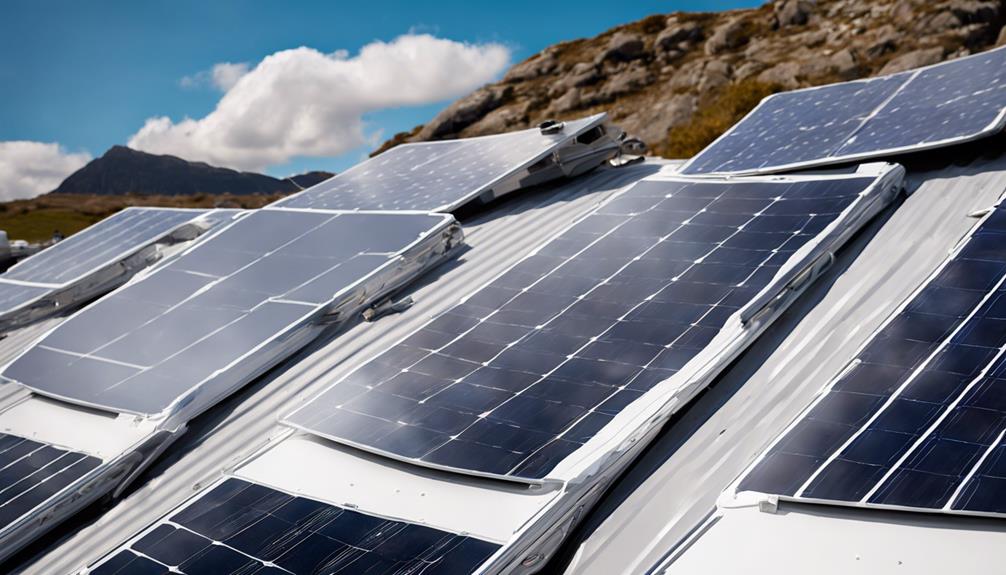
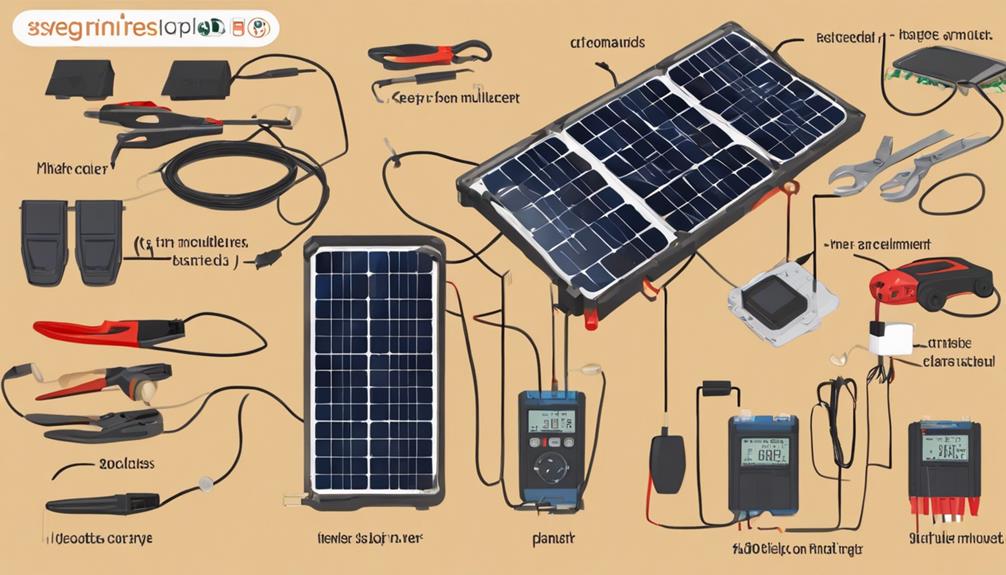
How does home solar power work is a question many homeowners ask early in the decision process. A typical home solar system includes several key components: solar panels on the roof or ground, an inverter, a mounting system, electrical connections, and sometimes a battery storage unit. Panels generate direct current when illuminated. The inverter transforms that current into alternating current for household use. If the system produces more electricity than the home needs, excess power can be fed back to the grid in many areas, creating a credit on your utility bill through net metering or similar programs. When production is low, the home draws from the grid or a battery, depending on the system design. Monitoring software gives homeowners visibility into generation, consumption, and savings in real time.
The technology behind the transformation solar delivers
The transformation solar makes possible stems from advances in panel efficiency, inverter intelligence, and energy storage. Modern panels use crystalline silicon or thin film cells with improved conversion rates that allow smaller arrays to produce more power. Inverters have evolved from single-string devices to hybrid and micro inverter solutions that optimize performance under partial shading and enable easier expansion. Battery options, such as lithium ion systems, let homeowners store excess energy for evening use or as backup during outages. Combined, these technologies create a resilient, flexible system that can adapt to different roof orientations, local climate conditions, and user needs.
Financial benefits and real savings of converting solar
One of the strongest motivators for converting solar is the potential for long term savings. Installing solar can substantially reduce monthly utility bills by offsetting electricity drawn from the grid. Over time, lower operating costs and rising utility rates often shorten the payback period. Available incentives, such as federal or regional tax credits, rebates, and performance-based incentives, also lower upfront investment and improve return on investment. In many markets, solar increases home resale value as buyers recognize the benefit of reduced energy costs. Additionally, feeding excess power back to the utility through net metering can create ongoing credits that further increase savings, especially when paired with energy efficiency measures that reduce overall consumption.
Practical use cases and considerations for homeowners
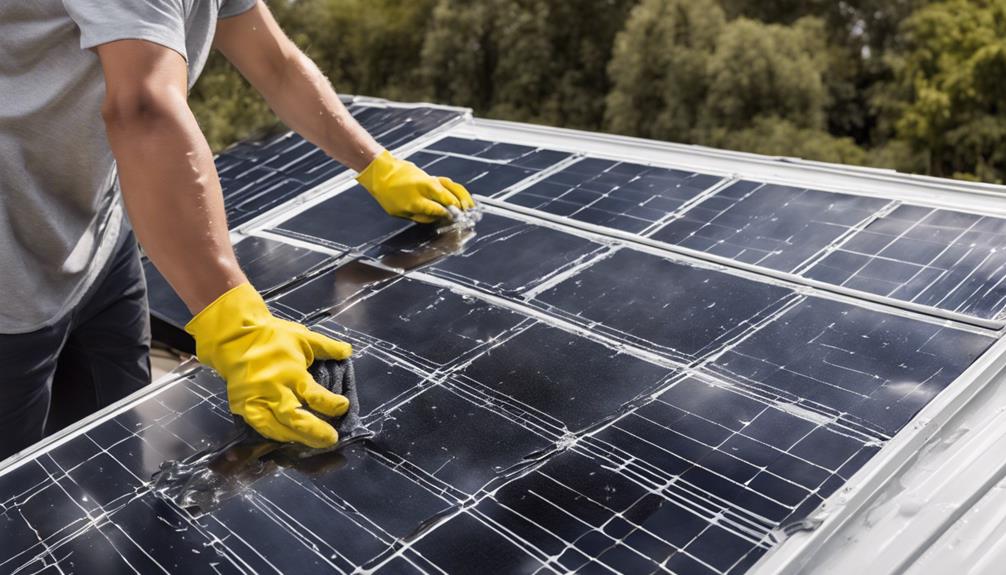
There are many practical scenarios in which converting solar adds value. For a typical family home, solar covers day to day electricity needs and can provide backup power during short outages when paired with battery storage. For rural homes with limited grid access, solar can reduce or eliminate expensive grid extensions. Homeowners interested in sustainability can reduce their carbon footprint and support local energy resilience. Before committing, evaluate roof condition, orientation, shading, and local permitting requirements. A professional site assessment will determine optimal system size based on historical energy use and future plans. Financing options range from cash purchase to loans and leases, each with different implications for incentives and long term savings. It is also important to consider maintenance: solar panels require minimal upkeep, but inverters and batteries may have shorter lifespans and replacement costs that should be planned for.
Next steps: planning a successful conversion
To move forward with converting solar at your home, start with an energy audit to understand consumption patterns and potential efficiency upgrades. Request multiple quotes from reputable installers and compare system designs, warranties, and projected savings. Verify available local incentives and whether your utility offers a favorable net metering policy. Consider whether you want battery backup and how that affects payback and resilience. Finally, review contract terms and warranties carefully, including performance guarantees and maintenance responsibilities. Making an informed choice will maximize the financial and environmental returns of your investment.
Converting solar is both a technical and financial transformation that delivers cleaner energy, lower bills, and greater energy independence for homeowners. By understanding how home solar power works, the technologies that enable the transformation solar provides, and the practical steps to plan and install a system, you can assess the potential benefits for your household and make a confident move toward long term savings and sustainability.