Solar power is no longer a futuristic concept reserved for large-scale installations; it’s a practical and cost-effective option for many homeowners today. Understanding how to use solar power in your daily life involves more than just installing panels on your roof. It means evaluating energy needs, choosing the right system, and taking advantage of incentives to maximize savings. This article explains the benefits of solar energy, how solar systems work, clear steps to convert your home, real-world use cases, and tips for long-term savings and maintenance. Understanding long term cost savings helps you maximize the value of solar power systems at home.
Why homeowners choose solar energy: benefits and savings
One of the strongest reasons people explore how to utilize solar energy is the long-term financial benefit. Solar power reduces monthly electricity bills and can protect homeowners from rising energy rates. Beyond direct savings, solar systems increase property value and can provide reliable backup power during outages when paired with battery storage. Environmental benefits are also significant: generating electricity from sunlight reduces your household carbon footprint and supports broader goals for renewable energy and sustainability.
How solar power works and what you need to know
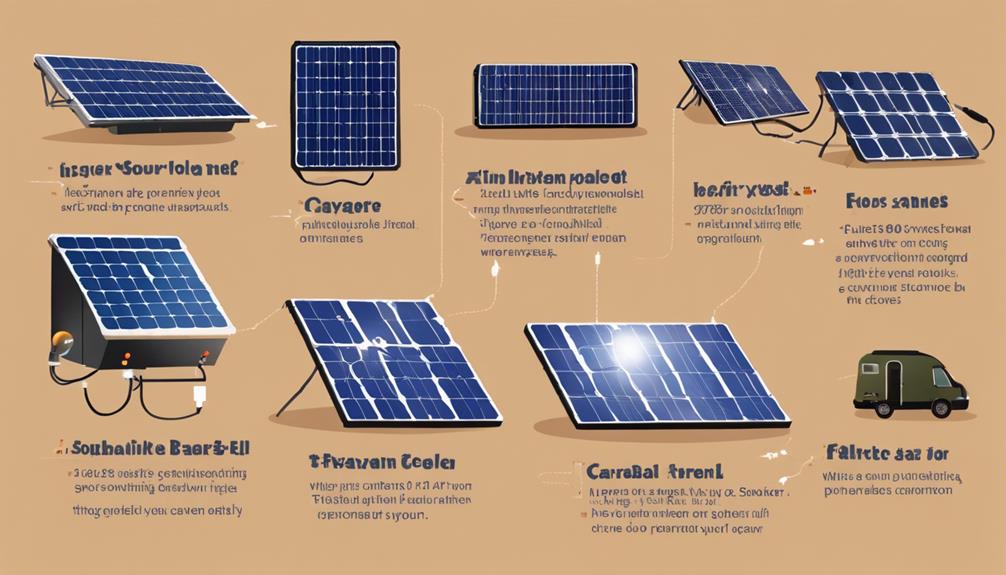
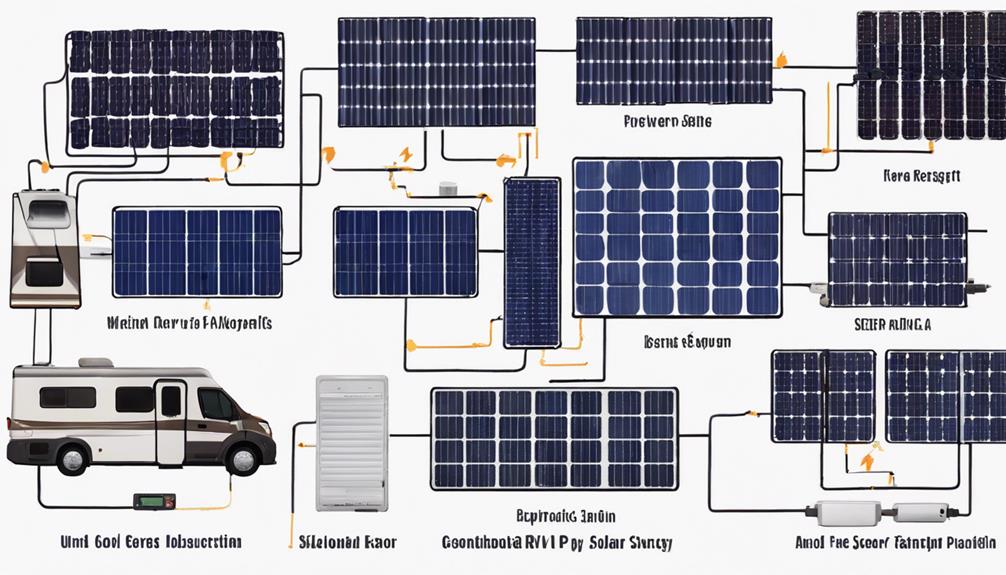
Solar photovoltaic panels convert sunlight into direct current electricity, which an inverter then turns into alternating current for household use. A typical residential system includes panels, mounting hardware, an inverter, electrical wiring, and often a monitoring system. For those wondering how to use solar energy at home effectively, it’s important to understand capacity and orientation. The size of the system depends on your average energy consumption, roof orientation, shading, and local sunlight patterns. Net metering agreements with utilities can allow excess generation to offset electricity drawn from the grid, improving the economics of your investment.
Step-by-step: how to convert your home to solar power
Converting your home to solar power involves a few clear steps. First, assess your current energy usage by reviewing past utility bills to find your average monthly kilowatt-hour consumption. Second, evaluate your roof for suitability—tilt, direction, and shade all influence panel performance. Third, get multiple quotes from reputable installers to compare system sizes, equipment brands, and warranties. Fourth, review financing options and incentives, such as federal tax credits, state rebates, or local incentives that can reduce upfront costs. Fifth, schedule the installation and inspections required by your local jurisdiction and utility. Finally, once your system is connected, monitor performance and ensure the system meets expected output. These steps make the idea of how to convert home to solar manageable and financially sensible for most homeowners.
Practical ways to use solar energy at home
Understanding practical use cases can help you get the most out of solar installations. Solar power can run everything from basic lighting and appliances to heating and cooling systems, depending on system size. Many homes pair solar panels with battery storage to shift solar energy use into evening hours, which is ideal for households that want to rely less on the grid. Solar can also power electric vehicle charging stations, reducing fuel costs and carbon emissions. For people focused on home security and uninterrupted power, a combination of solar panels and batteries provides a resilient backup during storms or grid outages. Learn practical steps to deploy panels effectively and access no cost solar options for homeowners.
Financing, incentives, and return on investment
Cost is often the biggest barrier when homeowners consider how to use solar power. Fortunately, a variety of financing options exist, including cash purchase, solar loans, leases, and power purchase agreements. Tax incentives and rebates further improve the financial outlook. The federal investment tax credit (ITC) has historically reduced the upfront cost for many buyers, and numerous states and utilities offer additional rebates or performance-based incentives. When calculating how to convert your home to solar power, factor in expected electricity savings, available incentives, system lifespan, and maintenance costs. Most homeowners find that solar systems pay for themselves over time through reduced bills and increased home value.
Maintenance tips and long-term optimization
Solar systems require minimal maintenance, but a few routine practices help maintain performance and extend lifespan. Periodic inspections ensure panels are clean and free of debris or shade from growing trees. Inverter components may need occasional servicing, and monitoring software can alert owners to dips in production that indicate potential issues. For homeowners wondering how to utilize solar energy more effectively, pairing smart home energy management systems with solar and battery storage can shift loads to times of peak solar production, improving self-consumption and savings. Regularly reviewing system performance and staying informed about new incentives or rate changes will help you maximize the benefits over the system’s lifetime.
Converting to solar power is a practical way to reduce energy costs, increase energy independence, and support environmental goals. Whether you are exploring how to use solar energy at home for the first time or planning to expand an existing system, understanding the benefits, installation steps, financing options, and maintenance needs will help you make informed decisions. With thoughtful planning and the right partner, you can convert house to solar power in a way that suits your budget and lifestyle, delivering savings and resilience for years to come.