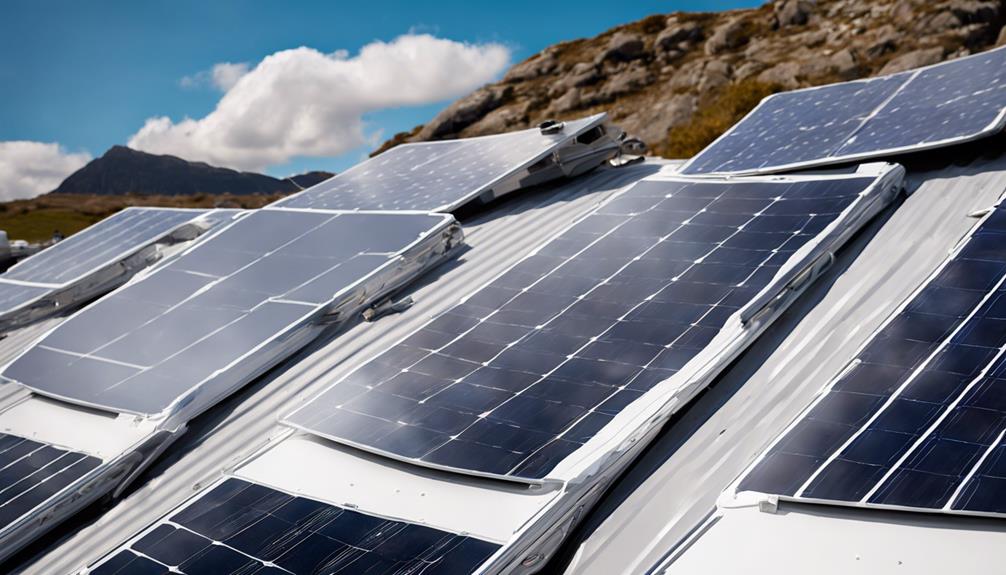
Outfitting an RV with reliable solar power turns long boondocking trips into comfortable, self-contained adventures. Choosing top rated rv solar panels can save you money, reduce generator runtime, and keep essential systems running smoothly. This article reviews leading brands and practical setups, compares portable and fixed systems, and explains what to look for when buying the best solar panels for RV use. Compare RV solar brands to find reliable panel manufacturers and detailed consumer reviews for mobile installations.
Why choose top rated RV solar panels
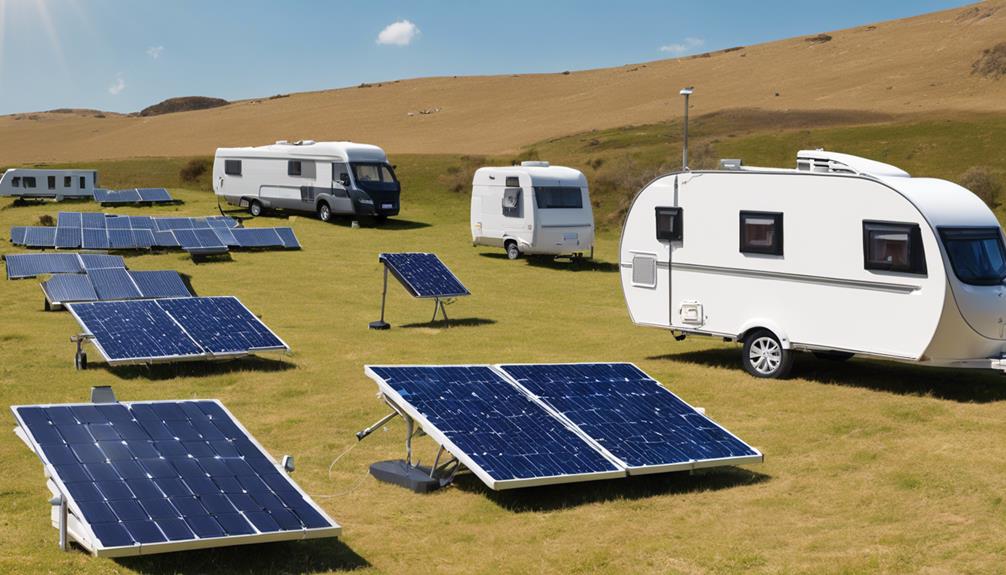
Not all solar panels are created equal, and for RV life you need options that balance weight, efficiency, and durability. Top rated RV solar panels typically offer higher efficiency cells, better frame construction, and warranties that reflect confidence in performance. Quality panels produce more power per square foot, which is crucial when roof space is limited, and they tend to handle vibration, temperature swings, and UV exposure better than cheap alternatives. Investing in respected brands also simplifies support and compatibility with common charge controllers and inverters used in mobile systems.
Top brands and models to consider
When evaluating the best solar panels for RV use, several names consistently appear in brand and review clusters. Renogy is widely known for its accessible monocrystalline panels and complete kits tailored to RVers. Zamp Solar makes durable, RV-focused options often found as factory upgrades. For portable options, Jackery and Goal Zero create foldable panels designed to pair with portable power stations like the Yeti and Explorer series. Higher-end brand options include REC and LG for premium rooftop panels when maximizing efficiency per area is the priority. Each brand has tradeoffs: some prioritize ease of installation, others focus on ruggedness or portability, so pick a model that matches your travel style.
Best RV solar panel kit with battery and inverter: what to look for
For many RV owners a complete kit that combines panels, battery storage, and an inverter simplifies the build and ensures compatibility. The best rv solar panel kit with battery and inverter should include an MPPT charge controller, a battery with enough usable amp hours for your typical nights, and a pure sine wave inverter sized for peak loads like microwaves or air conditioners if you plan to run them. Look for lithium battery options where budget allows, because lithium provides more usable capacity, longer cycle life, and faster charging compared with lead acid. Kits from established manufacturers often include well-matched components and clear installation guides, which reduces the chance of wiring errors and improves overall system reliability.
Portable solar panels for RVs: portability vs permanent installs
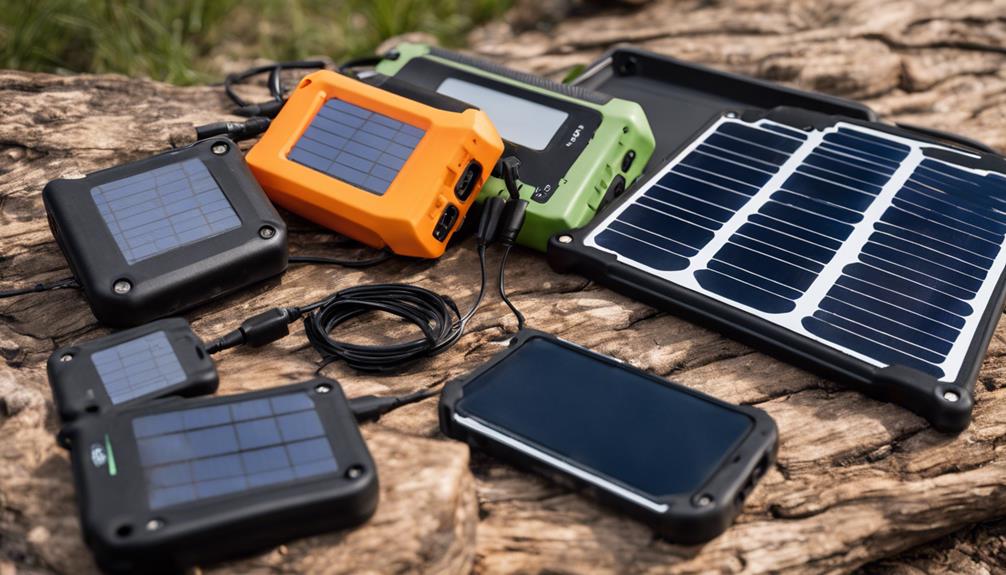
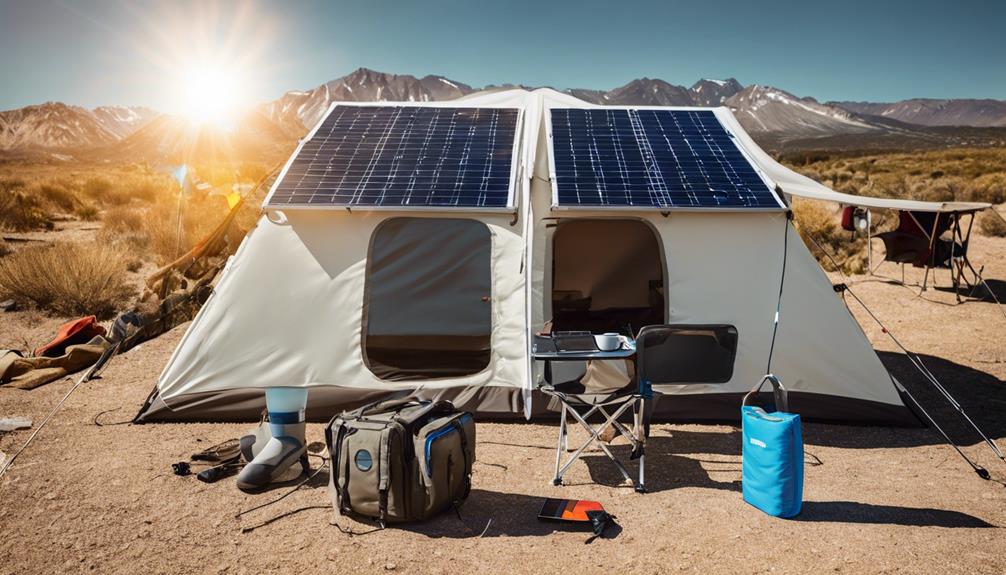
Portable solar panels for RV use offer flexibility. If you park under trees, boondock in different orientations, or use a pop-up camper, portable panels let you place the array in sun rather than mounting everything on the roof. Portable solar panels for RV setups typically come as foldable suitcase units or rollable panels and pair nicely with portable power stations. The tradeoff is that portable systems can be less efficient per pound and require daily setup and tear-down. For weekend campers who want a lightweight, plug-and-play option, the best portable solar panels for RV travel balance weight, durability, and quick connector systems to an inverter or battery bank. For readers comparing RV systems, this panel performance analysis complements coverage from the leading solar publication.
Sizing, installation tips, and practical use cases
Determining how many watts you need starts with your daily energy consumption. List the appliances you plan to run—refrigerator, lights, laptop charging, water pump—and estimate daily amp-hour usage. For conservative boondocking, many RVers start with 200 to 400 watts of rooftop panels paired with a 100 to 200 amp hour battery bank. If you want to run heavy loads or extend off-grid time, scale up or combine portable panels for charging while parked. When installing rooftop panels, pay attention to roof penetrations and use proper seals and mounting hardware. Where possible, choose MPPT charge controllers for better performance in varied light conditions. Practical use cases include weekend dry camping with a small portable kit, cross-country travel with a rooftop array for continuous trickle charging, and full-time off-grid living with a larger kit that includes lithium batteries and a robust inverter.
Maintenance, warranties, and longevity
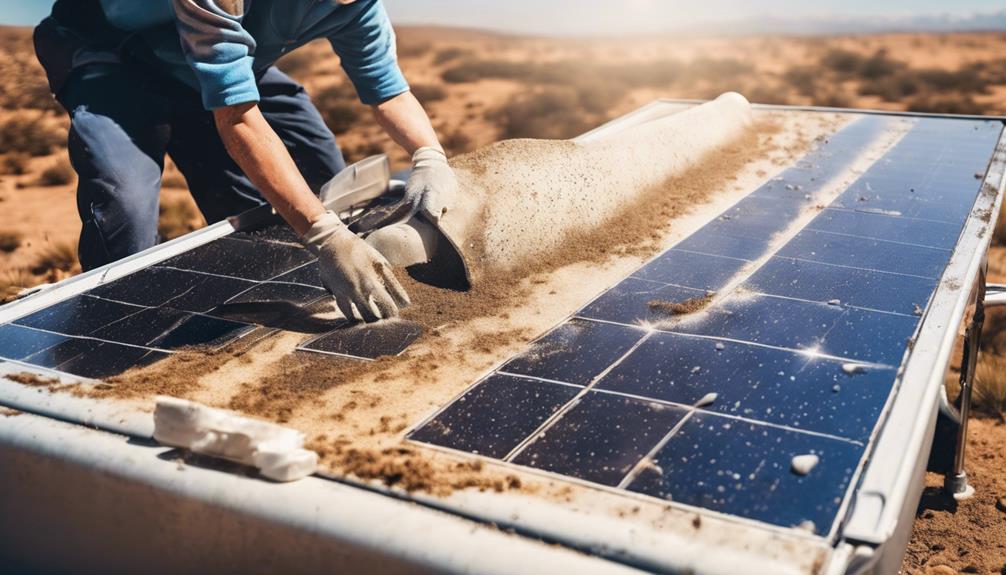
Maintaining solar panels on an RV is straightforward but important. Keep panels clean from dust, bird droppings, and salt when traveling coastal routes; a rinse with fresh water and a soft cloth is usually enough. Inspect cable connections and mounts periodically for corrosion or loosening from vibration. Warranties vary by brand and component: panels often carry 10 to 25 year performance warranties while batteries and inverters have shorter coverage. Selecting top rated rv solar panels from manufacturers with clear warranty terms and responsive customer support adds peace of mind and tends to reflect the overall build quality you will live with on the road.
Choosing the right solar solution for your RV involves balancing space, budget, desired runtime, and how you camp. Whether you opt for a rooftop array built from the best solar panels for RV living, a portable setup for weekend flexibility, or a comprehensive kit with battery and inverter, understanding brand strengths and real world use cases helps you pick a system that keeps the lights on and the adventures going. With well-matched components and reasonable maintenance, top rated rv solar panels can transform how you travel and expand where you can stay powered and self-sufficient.