Choosing the right solar product for your home means balancing performance, aesthetics, cost and long-term support. In the crowded market of solar panel brands and reviews, Tesla stands out for its design-forward approach and tight integration with home battery systems. This article examines Tesla solar panels vs others, compares Tesla solar roof vs panels, and places Tesla solar vs others in the context of real-world use cases so you can decide which option best fits your priorities. For a broader perspective, see our guide comparing solar brands for reviews, performance, and warranties.
How Tesla solar panels differ from traditional solar brands
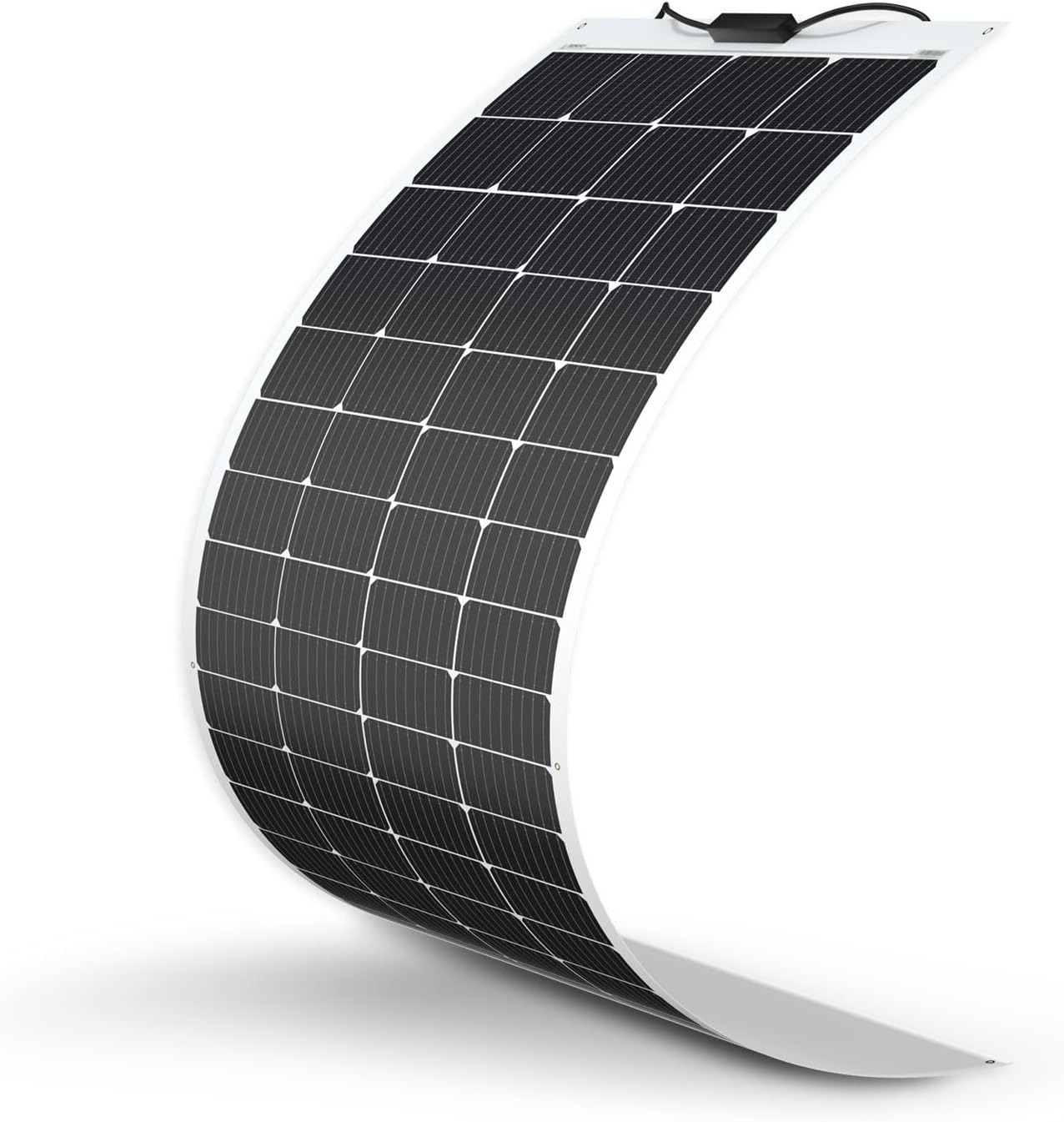
Tesla entered the rooftop market with a focus on streamlined buying and visually appealing panels. Tesla solar panels are designed to sit relatively flat against the roof with a black-on-black aesthetic that many homeowners prefer over the silver frames and visible grids of older panel models. Technically, Tesla’s panels are standard crystalline silicon modules similar to those produced by mainstream manufacturers, but the company emphasizes system design, in-house installation (in many markets), and integration with the Tesla Powerwall for energy storage.
Tesla solar roof vs panels: aesthetics, cost, and practicality
The debate of Tesla solar roof vs panels centers on appearance versus cost-effectiveness. Tesla’s Solar Roof replaces traditional roof tiles with tempered glass tiles that generate electricity, offering a seamless look that appeals to homeowners renovating their roofs or in areas with strict homeowner association rules. However, Solar Roof is typically more expensive per watt than conventional panels and requires roof replacement if your existing roof is in good condition, which raises the upfront investment.
Conventional Tesla solar panels, by contrast, are more straightforward to install and generally deliver a lower cost per watt while still providing that sleek look. For many buyers, panels paired with a Powerwall deliver the best balance of price, performance and energy independence. If aesthetics and duplicating original roofing material are your top priorities and you plan a full roof replacement anyway, a Solar Roof might be worth the premium.
Performance, efficiency and real-world output
When comparing tesla solar panels vs others on efficiency, Tesla’s modules tend to be competitive but not class-leading. Premium brands like SunPower historically push higher module efficiencies, which can yield more energy from the same roof area—an important consideration for smaller roofs. Other reputable manufacturers such as REC, Q CELLS and Panasonic also offer high-efficiency options and strong degradation rates.
That said, real-world energy output depends on system design, orientation, shading, and inverter selection as much as panel nameplate efficiency. Tesla’s design process and compatibility with Powerwall simplify system matching and monitoring, which can improve system performance over time. For homeowners with limited roof space who need maximum output, comparing panel efficiency rankings is essential when evaluating tesla solar vs others.
Warranty, service, and long-term reliability
Warranty and service are critical elements in any evaluation of solar panel brands and reviews. Tesla typically offers a performance warranty covering a defined output percentage over 25 years and a product warranty that varies by product. Many leading manufacturers match this 25-year performance standard and provide longer product warranties for certain components. What differentiates Tesla is the bundled approach: warranty stewardship, monitoring, and Powerwall support under one brand can simplify claims and maintenance. When comparing Tesla solar panels to competitors, check REC panel pricing for clearer cost comparisons.
Availability of local service and certified installers is another factor. Traditional solar brands often have extensive installer networks globally, while Tesla’s installation footprint can be limited in some regions. That means response time for repairs or maintenance may vary depending on where you live, which is a practical consideration when weighing tesla solar vs others.
Cost considerations and incentives
Upfront cost remains a major decision point in tesla solar panels vs others comparisons. Tesla has frequently marketed competitive pricing by bundling panels with energy storage and offering online quotes, but actual costs vary by region, roof complexity and policy incentives. Many third-party brands provide flexible financing options and local installer discounts that can make their systems more affordable in certain markets.
Federal and local incentives, net metering rules and utility rate structures materially affect payback timelines. A system that integrates seamlessly with a battery, such as a Tesla panel plus Powerwall, may offer greater long-term savings in areas with time-of-use rates or unreliable grids. Conversely, if your priority is the lowest cost per watt for straightforward solar generation, comparing competitive bids from multiple brands will help you find the best value.
Practical use cases: who should choose Tesla and when to consider alternatives
Homeowners who value a low-profile look, simplified purchasing and integrated battery options often find Tesla appealing. If you plan to add a battery like the Powerwall and want one vendor to manage the system and warranty, Tesla is a strong candidate. Tesla’s Solar Roof is particularly attractive for those replacing an aging roof and willing to pay a premium for aesthetics and durability.
Alternatively, buyers focused on maximizing energy production per square foot, or who require specific warranty structures or local installer relationships, may prefer other solar panel brands. Commercial projects or homes with complex shading profiles might benefit from high-efficiency modules or microinverter systems offered by other manufacturers. In short, tesla solar panels vs others boils down to priorities: design and integration versus maximum efficiency and installer flexibility.
Deciding between Tesla and other solar brands requires balancing appearance, efficiency, warranty support and total cost of ownership. Tesla shines when integration with battery storage and a sleek aesthetic matter most, while other manufacturers can offer higher module efficiencies, broad installer networks and competitive pricing for pure solar generation. Evaluate multiple quotes, inspect warranties carefully and consider your long-term energy goals before choosing the system that best suits your home.