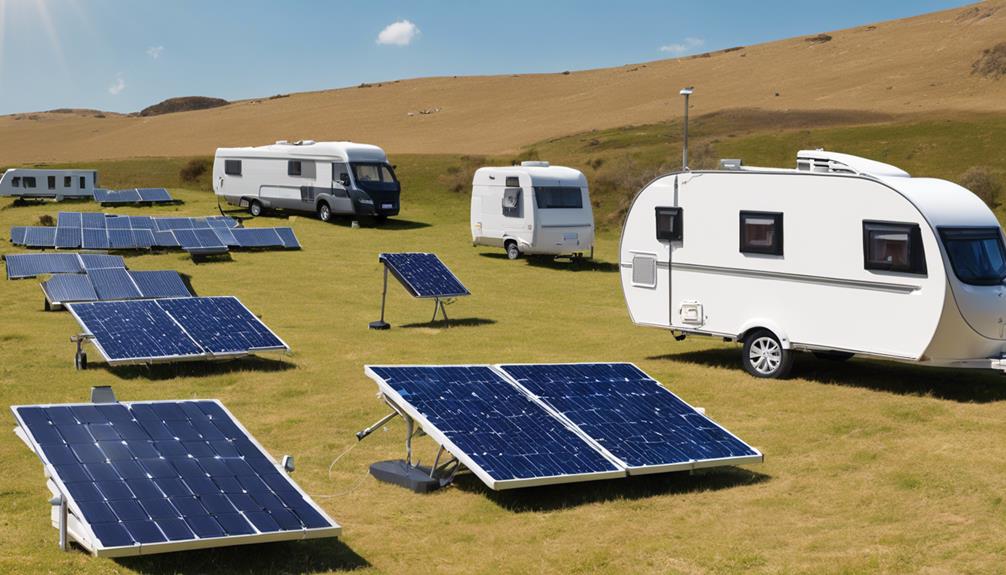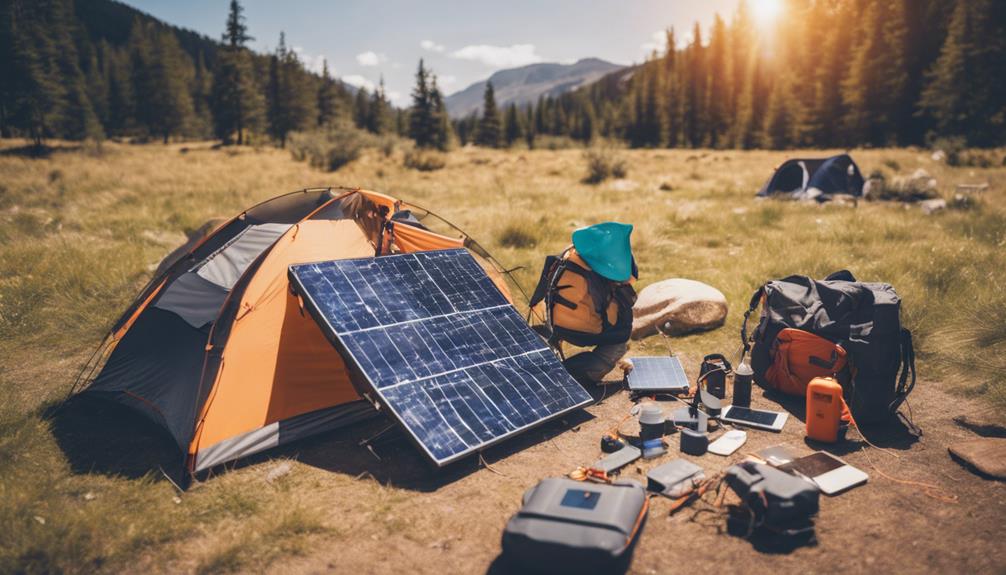
Solar powered RVs are increasingly popular for travelers who want freedom from campgrounds and access to true off-grid living. Whether you are shopping for a camper with solar power for sale, considering a factory model, or planning to retrofit an older rig, understanding off-grid solar systems for motorhomes is essential. This article explains the practical benefits, core components, sizing methods, installation choices, and buying tips to help you evaluate a solar powered motorhome or convert your own rig into a reliable solar powered RV. An off-grid solar setup can convert a solar powered RV into a fully independent, self-sustaining mobile home.
Why choose a solar powered RV?
Choosing a solar powered RV reduces reliance on shore power and noisy generators, lowers ongoing fuel costs, and opens up remote destinations for longer stays. For weekend warriors, a modest system keeps lights, fans, and phone chargers going. For full-time van lifers or those living in a solar powered motorhome, a larger off-grid solar system supports refrigerators, pumps, and even HVAC for limited periods. Beyond convenience, factory-installed systems on an RV with solar panels installed add resale value and appeal to buyers looking for a turnkey off-grid solution.
Core components of an off-grid solar system for RVs
An effective system integrates panels, a charge controller, battery storage, and an inverter. Each part plays a specific role in turning sunlight into usable electricity and protecting components from damage.
Solar panels
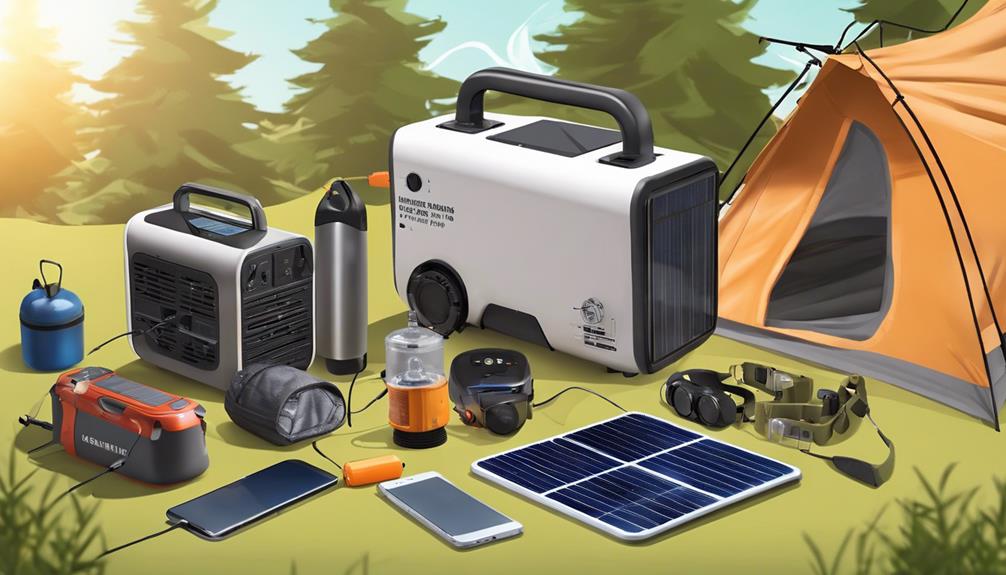
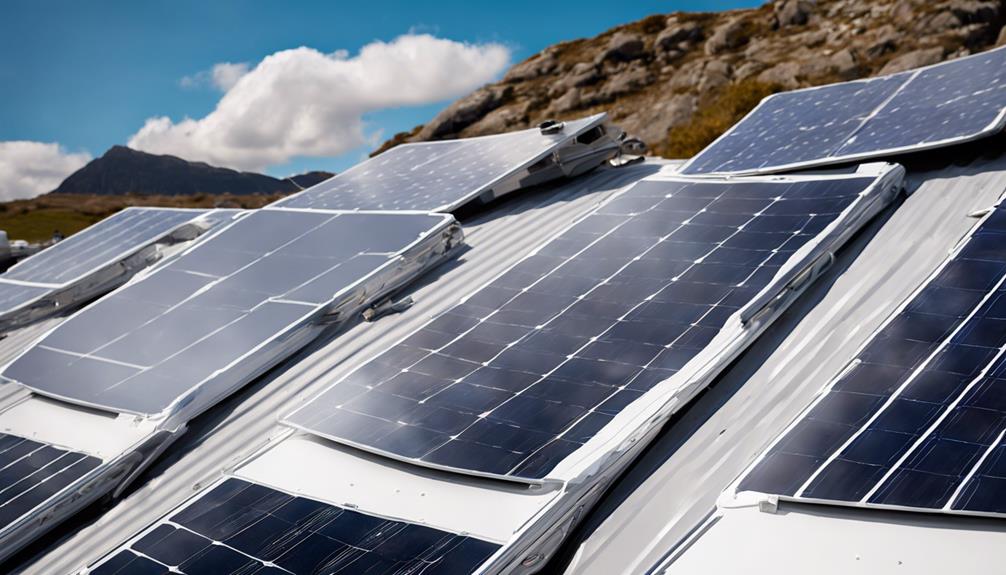
Panels convert sunlight into DC power. Monocrystalline panels are common on a camper with solar power for sale because they offer a good balance of efficiency and size. Roof-mounted panels are the norm for permanent installations, while portable panels provide flexibility and can be positioned for optimal sun exposure.
Charge controller
The charge controller regulates current flowing to the battery. MPPT controllers are more efficient than PWM and are recommended for most systems to maximize energy harvest, especially when panels and battery voltages differ.
Battery bank and inverter
Batteries store energy for night use. Lithium iron phosphate batteries are becoming standard in higher-end solar powered RVs because they provide more usable capacity, longer cycle life, and lower weight compared with lead-acid. The inverter converts DC battery power to AC for household appliances; its size must match your peak power needs.
Sizing your system: how much power do you need?
Sizing a system begins with an honest energy audit. List devices you use—lights, water pump, fridge, microwave, laptop—and estimate daily watt-hours. For example, a small compressor refrigerator might use 800–1,200 watt-hours per day, while LED lights and electronics may add 200–400 watt-hours. Match daily usage to battery capacity: a 200 amp-hour battery at 12 volts stores roughly 2,400 watt-hours, but usable capacity depends on battery chemistry. Then calculate solar generation: in good sun, a 200-watt panel might produce 600–800 watt-hours per day depending on location and season. This math helps you determine how many panels and how much battery storage you need for boondocking, weekend trips, or full-time off-grid living. When outfitting a solar powered RV, check Oregon solar incentives to maximize system rebates and permits.
Installation options and practical tips
There are two common installation approaches: factory-installed systems and aftermarket retrofits. A factory RV with solar panels installed often comes with integrated wiring, warranties, and monitoring, making it attractive when buying a camper with solar power for sale. Retrofits allow customization—adding larger battery banks, upgrading to MPPT controllers, or installing higher-efficiency panels.
When installing, place panels where shading is minimal and use reliable mounting hardware to account for wind and vibration. Keep the charge controller close to the battery to reduce voltage drop, and size wiring correctly for the current to avoid overheating. If you are not comfortable with electrical wiring, hire an experienced technician—proper installation ensures safety and long-term system performance.
Buying versus retrofitting: evaluating a solar powered motorhome
If you are looking at an RV with solar panels installed or a camper with solar power for sale, inspect the system thoroughly. Confirm panel condition, age, and output, and ask for documentation on battery type, cycle history, and warranty. Check whether the system uses MPPT or PWM controllers and whether monitoring displays are included. Verify the inverter capacity and whether it can handle your peak loads. For used rigs, test the system under load and look for evidence of professional installation, such as proper fusing, clean wiring runs, and secure mounts. If the factory system is undersized, retrofitting may be cheaper in the long run than living with persistent power constraints.
Practical real-world use cases include weekend boondocking with basic amenities, extended off-grid travel in remote parks, and full-time living where a larger battery bank and multiple panels support daily household routines. For owners who plan frequent off-grid stays, investing in higher-capacity batteries and MPPT controllers yields the best balance of reliability and flexibility.
Converting or buying a solar powered RV is an investment that pays off in freedom and lower operating costs. By understanding core components, sizing systems to your actual usage, choosing the right installation path, and evaluating used systems carefully, you can confidently select a solar solution that matches your travel style. Whether you prefer a factory-equipped solar powered motorhome, an RV with solar panels installed, or a custom retrofit for an older rig, off-grid solar systems unlock more destinations and a quieter, cleaner way to travel.