Plug in PV panels are changing how homeowners and off grid enthusiasts approach simple, portable solar generation. These panels offer a near plug-and-play option that can be connected quickly to a small inverter, battery system, or an off grid electrical panel with inlet plug, making them attractive for cabins, RVs, emergency backup, and other off-grid solar systems. This article explains what plug in PV panels are, how they integrate with off-grid setups, practical use cases, installation and safety considerations, and guidance on sizing and compatibility so you can decide whether they fit your project. For remote applications, consider integrating plug-in PV panels into an off-grid solar setup for reliable power.
What are plug in PV panels and how do they differ from traditional panels?
Plug in PV panels are solar modules designed with integrated connectors and often included mounting or stand options that simplify connection to the rest of a system. Unlike traditional PV installations that require on-site wire runs, conduit, and custom combiner boxes, these plug-in models typically use weatherproof plugs and cables that connect directly to compatible inlets, charge controllers, or microinverters. This makes the initial setup faster and reduces the need for specialized electrical work for temporary or portable applications. They are available as single panels or kits and can include features such as built-in bypass diodes, pre-wired MC4 leads, or dedicated inlet plugs sized for a specific system voltage.
How plug in PV panels work with off-grid electrical panels
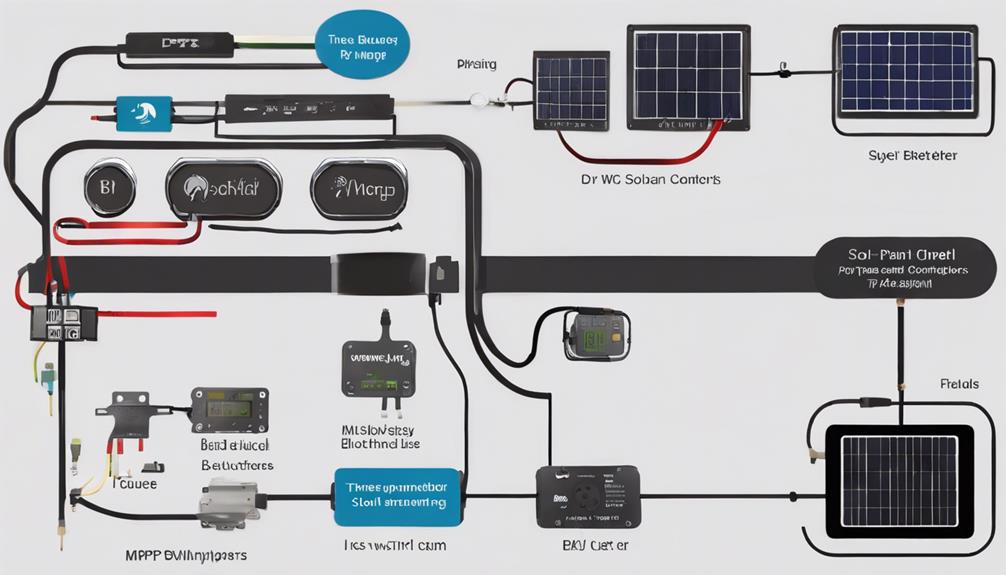
Integration into off grid solar systems usually requires a clear path from the panel’s plug to the system’s charge controller or inverter. In many portable setups, a panel connects to a charge controller which then feeds a battery bank and the off-grid electrical panel. For situations where an off grid electrical panel with inlet plug is used, panels can be routed through a dedicated inlet on the panel that is protected by a breaker and often labeled for solar input. That inlet plug allows quick connection and disconnection without opening the main enclosure, and it is particularly useful for seasonal cabins or temporary sites where the array is frequently moved or adjusted. Properly configuring the inlet, overcurrent protection, and disconnects ensures both safety and code compliance.
Practical use cases for plug in PV panels in off-grid settings
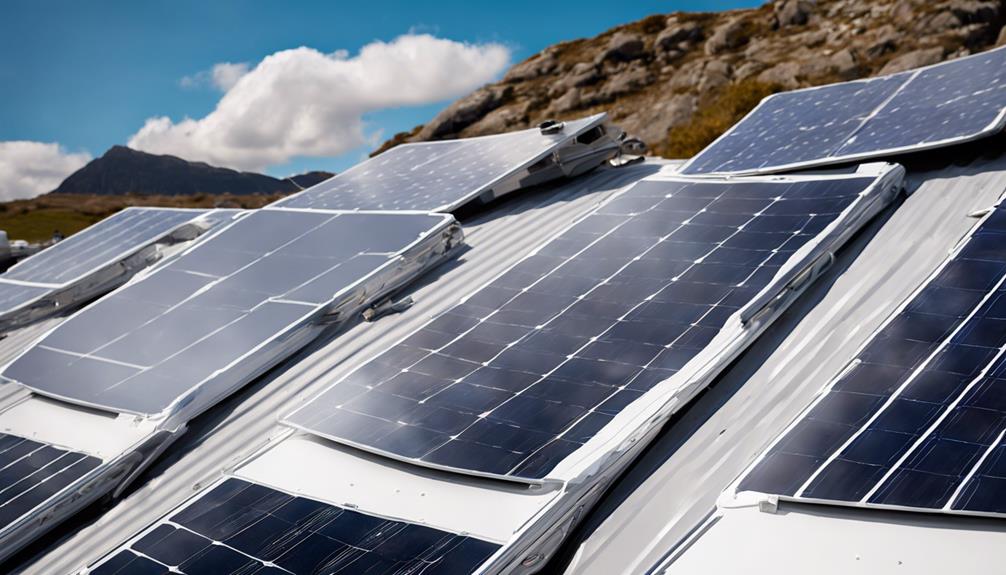
Plug in PV panels are ideal for a range of off-grid applications where convenience and portability matter. Recreational vehicles and campers benefit because panels can be stowed, deployed, and connected without rewiring the RV. Backcountry cabins and tiny houses frequently use plug-and-play panels for seasonal power, allowing the owner to disconnect and take the panels down for storage. Emergency preparedness is another strong use case: a few plug in modules can be hooked to a battery and inverter to power critical loads during outages. Contractors and research projects also use them for temporary job-site power or monitoring equipment, where a permanent installation would be impractical. The simplicity of connection speeds deployment and lowers the barrier to entry for solar adoption in off-grid solar systems. For remote locations, consider standalone pv integration to power appliances without relying on the utility grid.
Installation, safety and regulatory considerations
Despite their convenience, plug in PV panels must be installed with attention to safety and local electrical codes. Ensure plugs and inlets are rated for the system’s voltage and current, and that wiring between the inlet and the charge controller or inverter uses the correct gauge and protection. Grounding is essential; even portable arrays need an effective ground or grounding electrode system in many jurisdictions. When using an off grid electrical panel with inlet plug, include an appropriate DC or AC disconnect and overcurrent protection so the circuit can be safely isolated and protected against faults. Permits may still be required for permanent or semi-permanent installations, and some municipalities have specific requirements for socketed solar connections. Lastly, pay attention to weatherproofing: connectors and inlets should be rated for outdoor exposure to avoid corrosion or water ingress that could lead to failure or hazard.
Sizing, battery integration and inverter compatibility
Choosing the right size and type of plug in PV panels depends on your energy needs, battery capacity, and the inverter or charge controller in your off grid solar system. Start by calculating daily energy consumption and then determine how many peak sun hours your location receives to estimate panel wattage needed. Match the panel output to a charge controller that can handle the voltage and current — MPPT controllers are preferred because they extract more energy in varied conditions. For battery integration, make sure the panels’ voltage and charge controller charging profile match the battery chemistry, whether lead-acid, AGM, or lithium. Inverter compatibility is important if you plan to feed AC loads directly; some plug-in panels are designed to connect to small inverter/charger combos, while larger systems require proper DC input into a battery bank before inversion. Finally, include a margin for cloudy days and battery depth of discharge to maintain reliable off-grid operation.
Plug in PV panels offer an accessible entry point to off-grid solar systems, blending portability with practical power generation. They are especially useful where quick deployment and flexibility are required, but they still demand careful attention to compatibility, safety, and local code requirements. By matching panel output to your battery, charge controller, and inverter, and by using properly rated inlets or an off grid electrical panel with inlet plug, you can harness solar energy in a way that is both convenient and compliant. For homeowners, campers, and small-scale operators, plug in PV panels can be an effective part of a resilient off-grid power strategy.