Installing a backyard solar system is one of the most practical ways to move toward energy independence and reduce utility bills while staying connected to off grid solar systems. Whether you want to run lighting, charge batteries for a workshop, or support a tiny home, a well-planned backyard solar setup can deliver reliable backyard solar power without the expense and complexity of a full rooftop array. This article explains what a backyard solar system includes, how to select backyard solar panels and all in one solar power system options, and real-world use cases to help you decide if a back yard solar panels installation is right for your property. For larger backyard installations consider transitioning to an off-grid solar setup to achieve energy independence.
Why choose a backyard solar system for off-grid living
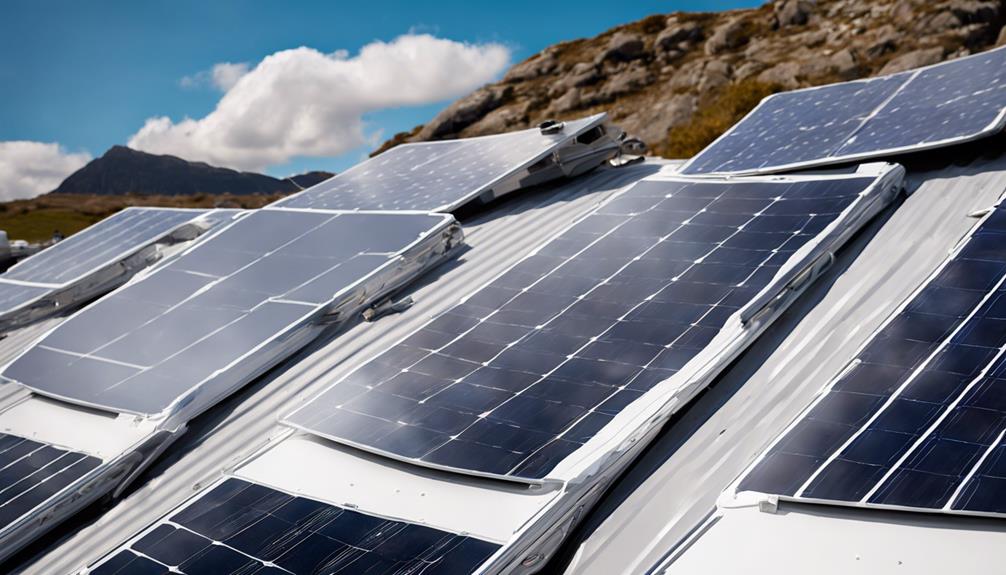
A backyard solar system is an attractive entry point into off grid solar systems because it can be installed with minimal disruption and often without requiring structural changes to your home. Backyard solar allows homeowners to place panels where shading is minimal and orient arrays for optimal sun exposure. For properties with limited roof space or roofs in poor condition, ground-mounted backyard solar panels or portable arrays can be a superior alternative. Beyond installation flexibility, backyard solar power systems can be modular—starting small and expanding as energy needs grow—making them ideal for hobbyists, remote cabins, and homeowners seeking reliable backup power for critical loads like refrigeration and home security.
Components of an all in one solar power system for the backyard
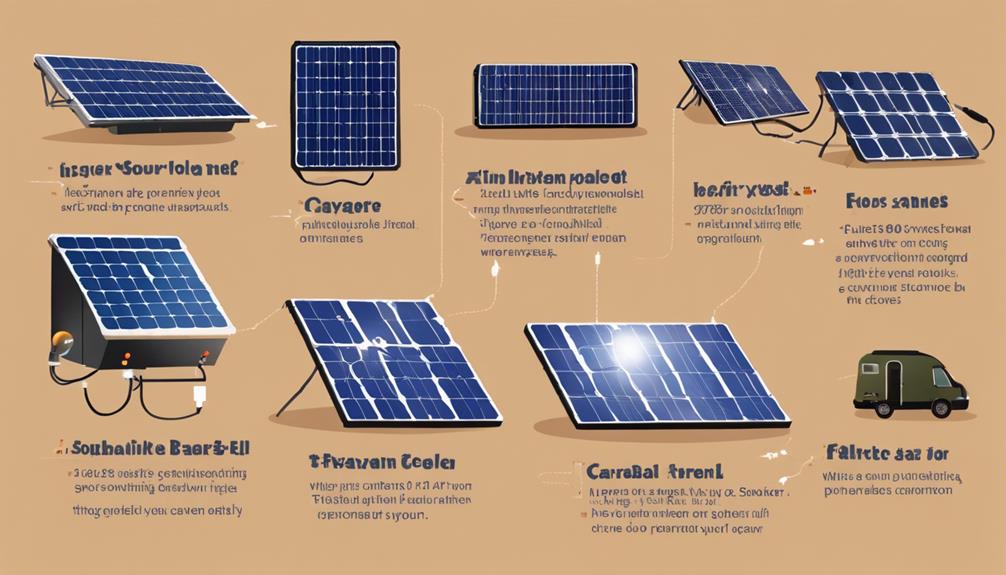
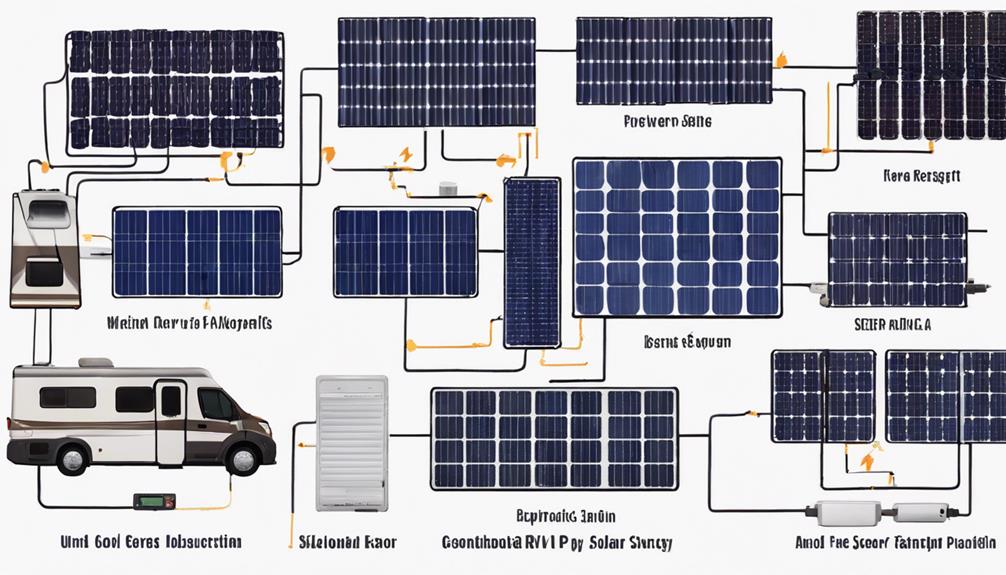
An all in one solar power system typically integrates the major components into a simplified package suitable for backyard installation. These systems combine solar panels, an inverter or inverter/charger, a charge controller, and battery storage in a compact unit or matched kit. For backyard applications, you will still need racking or a mounting platform and appropriate wiring and safety disconnects, but an integrated system reduces compatibility issues and speeds installation. Choosing the right battery chemistry—lithium iron phosphate versus lead acid—affects lifespan and usable capacity, and the inverter’s continuous and surge ratings determine what appliances can be operated. An advantage of all in one solar solutions is streamlined monitoring and management, often through a single app, which is handy for remote monitoring of backyard solar power production and battery state when you are off site.
Design and installation considerations for backyard solar panels
Designing a backyard solar array starts with a site assessment that looks at sunlight availability, shading from trees or buildings, and local zoning or permitting requirements. Ground-mounted arrays can be placed at optimal tilt for year-round production or designed with seasonal adjustment to maximize output. If you are using back yard solar panels to power a workshop or outdoor living space, consider cable routing to minimize voltage drop and the placement of inverters and batteries in ventilated, weather-protected enclosures. For off-grid systems especially, oversizing the battery bank relative to daily consumption provides resilience during prolonged cloudy periods. Professional installers can perform a load analysis and recommend panel capacity and battery storage that match your intended use, but many homeowners successfully install small-scale backyard systems themselves using preconfigured kits that include mounting hardware and simple wiring schematics.
Practical use cases: powering home security, workshops, and tiny homes
Backyard solar systems are versatile and support many practical use cases. For home security, even a modest array with battery storage can keep cameras, sensors, and motion lighting operational during grid outages, ensuring surveillance and peace of mind. Backyard solar power is also well suited for workshops and hobby spaces where running new grid lines would be expensive; a dedicated array and inverter can run power tools, lighting, and charging stations. Tiny homes and accessory dwelling units are another fast-growing application: pairing efficient appliances with a backyard solar setup and battery bank can provide full off-grid living without large infrastructure upgrades. Recreational equipment like EV chargers for golf carts or charging stations for electric bicycles can also be supported by backyard systems, increasing the utility of outdoor spaces while minimizing added grid demand. A backyard solar system can scale down to off-grid needs using small cabin panels for compact reliability.
Maintenance, costs, and scaling your backyard solar power setup
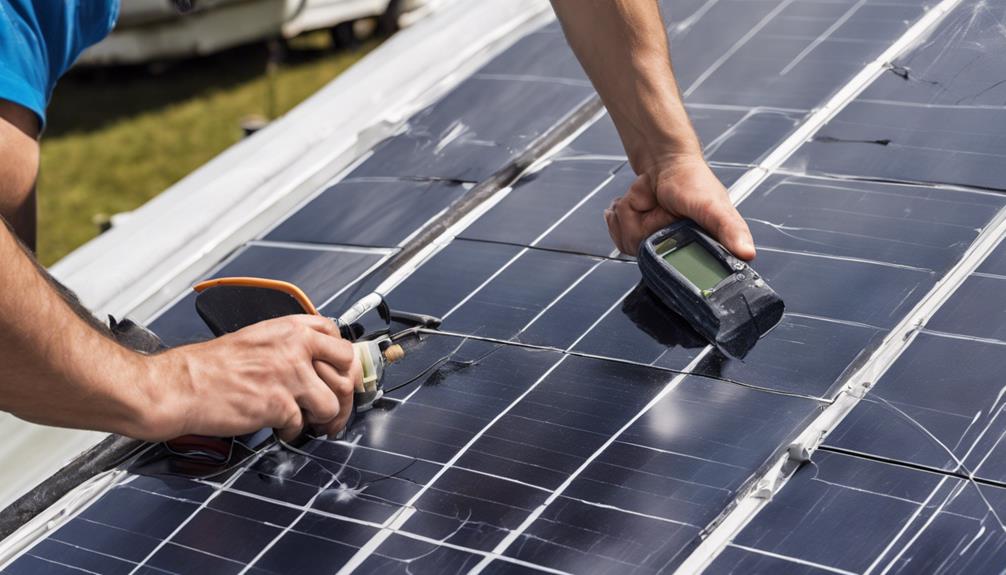
Routine maintenance for backyard solar panels is straightforward and typically involves periodic cleaning, panel inspections for damage, and verifying that mounting hardware remains secure. Battery maintenance varies by chemistry; sealed lithium systems require little attention beyond software monitoring, whereas some lead acid setups may need periodic water topping. Initial costs for a backyard solar system range widely depending on size and component quality, but modular all in one solar power system kits can reduce upfront complexity and often lower labor costs if you opt for a DIY install. Over time, energy savings and avoided utility charges contribute to payback, and many homeowners find the long-term value in resilience and reduced carbon footprint. When energy needs increase, backyard arrays are easy to scale by adding additional panels or expanding battery capacity, which makes them a flexible part of an overall off-grid solar systems plan.
Permitting, safety, and environmental considerations
Before installing a backyard solar system, check local permitting requirements and building codes since regulations differ by municipality. Safety measures such as proper grounding, surge protection, and accessible disconnects are essential to protect equipment and first responders. Consider environmental siting to minimize disruption to native plants and drainage patterns; ground-mounted arrays can be placed in underused areas or even integrated with landscaping. Additionally, proper disposal or recycling plans for batteries and panels at end of life contribute to a sustainable backyard solar power strategy. Engaging a qualified installer for the permitting and inspection process can simplify compliance and ensure that your system meets local safety standards.
Conclusion: A backyard solar system is a practical, scalable way to tap into off grid solar systems and add resilience to your property. Whether you choose a compact all in one solar power system or a larger ground-mounted array with expansive battery storage, backyard solar panels can power security systems, workshops, tiny homes, and recreational equipment while offering the flexibility to grow with your needs. With careful site planning, attention to maintenance, and adherence to local codes, a backyard solar installation can deliver dependable backyard solar power for years to come.