Keeping your home warm without driving up utility bills is a top priority for many homeowners. Low energy heaters offer a practical route to comfortable rooms while conserving electricity and reducing carbon footprint. This article explains the benefits, compares common types, answers common questions like what is the most energy efficient electric heater, and gives actionable advice for choosing and using an energy saving heater in real homes. Explore how low energy heaters can improve home comfort while boosting overall energy efficiency.
Why choose low energy heaters for your home
Low energy heaters are designed to deliver warmth with less electricity, improving comfort and lowering monthly costs. Beyond immediate savings, efficient heater choices help reduce demand on the electrical grid and support long-term sustainability goals. For those retrofitting older systems or looking for an energy saver solution in a single room, options such as efficient room heaters and power efficient heater models provide targeted warmth without heating unused spaces. Choosing an energy efficient heater is a simple home improvement step with measurable returns.
Types of energy efficient heaters and how they compare
There are several categories of energy efficient heaters, each with strengths depending on your living situation. Convection heaters warm air and distribute it throughout a space; they are effective for general use in small to medium rooms. Radiant heaters, including infrared models, directly warm people and objects, which can be more efficient for spot heating. Oil-filled radiators retain heat longer, offering steady warmth with low energy spikes. Ceramic heaters often combine quick heating with thermostatic control for efficient cycles. Heat pumps represent the high end for home-wide solutions, offering an energy efficient central air alternative by moving heat rather than generating it.
What is the most energy efficient electric heater?
When people ask what is the most energy efficient electric heater, the answer depends on the use case. For single-room, intermittent heating, infrared and ceramic heaters with accurate thermostats and timers typically perform best because they provide heat quickly and avoid wasting energy. For whole-home heating, air-source heat pumps are the clear winners, often outperforming traditional electric resistance heaters on energy efficiency because they transfer heat with higher efficiency. Ultimately, the most efficient option aligns with the space you need to heat, insulation quality, and how you use the heater.
Practical use cases: choosing the right efficient heater
For a bedroom or home office where you want warmth for a few hours a day, a compact energy save heater with programmable settings or remote control offers convenience and low running costs. Living rooms benefit from efficient room heaters that combine convection with fan-assisted circulation to evenly distribute warmth while using less power. In older homes with drafty windows, pairing a power saver heater with improved insulation and sealing can provide better comfort using the same or less energy. For homeowners considering whole-house upgrades, integrating energy efficient heaters for home use with a heat pump or improving energy efficient central air systems will reduce overall heating loads. Even low energy heaters can cause wasted power through inefficient heater settings and poor maintenance.
How to maximize efficiency and save energy
Buying an energy saving heater is just the first step. To get the most from a power efficient heater, use the thermostat effectively: lower the setpoint a few degrees and wear warmer clothing to cut consumption significantly. Use timers and occupancy sensors to heat only when rooms are in use, and place heaters near the areas where people spend time rather than attempting to heat the whole house. Regular maintenance, such as cleaning filters on fan-assisted heaters and checking that oil-filled units are functioning properly, keeps devices running efficiently. Combining a good efficient heater with basic home improvements—insulating attics, sealing gaps, and using heavy curtains—magnifies savings.
Eco friendly heaters and long-term considerations
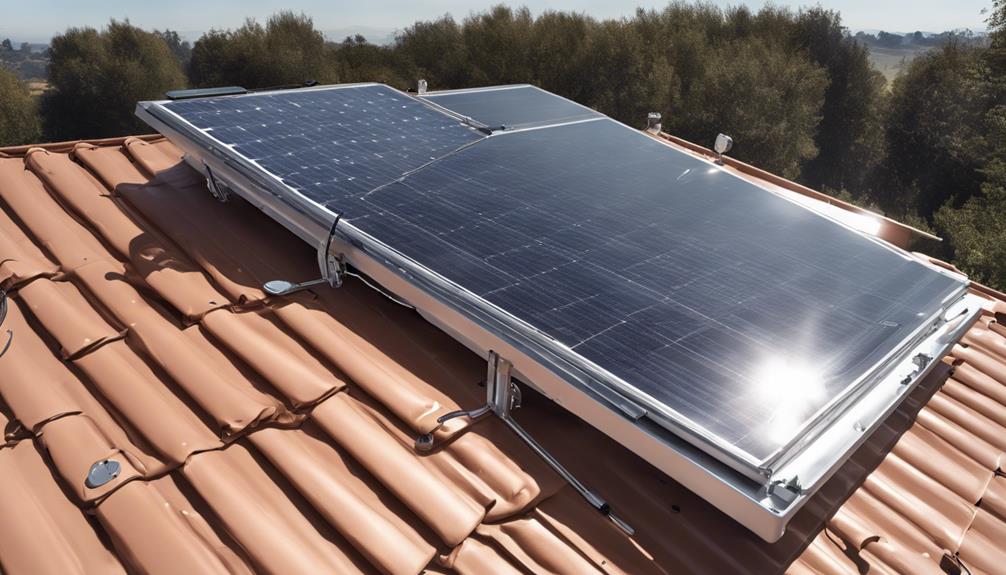
Eco friendly heater choices go beyond immediate efficiency; they consider lifecycle impacts, compatibility with renewable electricity, and the ability to reduce reliance on fossil fuels. Heat pumps and modern electric heaters paired with rooftop solar are among the most sustainable combinations, enabling low-carbon heating even during peak demand. When choosing a new unit, look for reliable energy performance ratings, variable output controls, and durable construction to minimize replacement frequency. For many households, a hybrid approach—using a centralized energy efficient central air solution for baseline comfort while relying on supplemental efficient heaters for specific rooms—offers the best balance of cost, comfort, and environmental impact.