Creating a home eco environment is about more than installing a few energy-efficient bulbs—it’s a holistic approach to making your living space comfortable, affordable, and kinder to the planet. Whether you’re building new or retrofitting an older house, practical choices in insulation, heating and cooling, renewable energy, and daily habits can significantly reduce energy use and costs. This article explores actionable strategies for homeowners who want to prioritize energy efficiency and home improvement while moving toward an environmentally conscious home. Explore home energy upgrades to improve comfort and lower costs, connecting Home Eco concepts to renovation strategies.
Why adopt a home eco approach
Adopting a home eco mindset brings immediate and long-term benefits. In the short term, lowering energy consumption reduces monthly utility bills and often improves indoor comfort through better temperature regulation and air quality. Over the long term, energy-efficient upgrades increase property value, reduce maintenance costs, and shrink your household’s carbon footprint. For many homeowners, the decision to pursue an environmentally conscious home is driven not only by savings but also by the desire to contribute to broader climate goals and to create a healthier living environment for family members.
Insulation and the building envelope: the foundation of efficiency
One of the most impactful steps you can take toward an energy-efficient home is improving the building envelope. This includes wall, attic, and floor insulation, as well as sealing air leaks around windows, doors, and ducts. Proper insulation reduces heat loss in winter and heat gain in summer, which lowers the workload on heating and cooling systems. For older homes, investing in blown-in attic insulation or spray foam around rim joists and gaps often yields quick payback through energy savings. Window upgrades—such as adding double-glazed or low-e glass—also improve comfort and reduce energy use, making them a core element of any home eco plan.
Efficient heating and cooling systems
Heating and cooling typically account for the largest portion of household energy use, so upgrades here deliver substantial gains. Heat pumps—air-source or ground-source—are increasingly popular for their ability to both heat and cool efficiently, often providing two to three times the energy output per unit of electricity compared to conventional resistive heaters. For homes with existing HVAC systems, routine maintenance, proper sizing, and modern programmable thermostats help maintain efficiency. Combining these systems with seasonal strategies, like ceiling fan use and shading, further reduces energy demand while preserving comfort in an environmentally conscious home.
Renewable energy and on-site generation
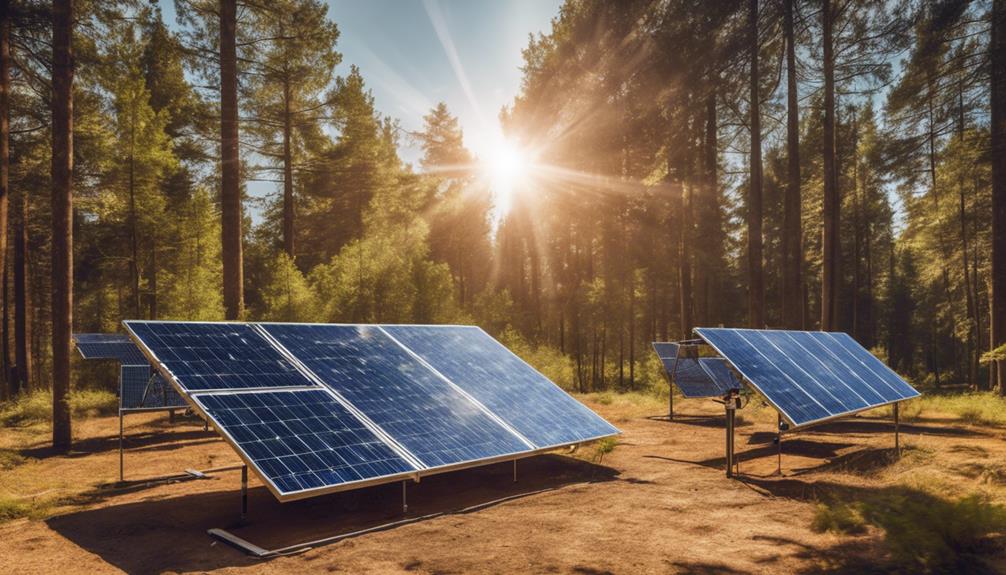
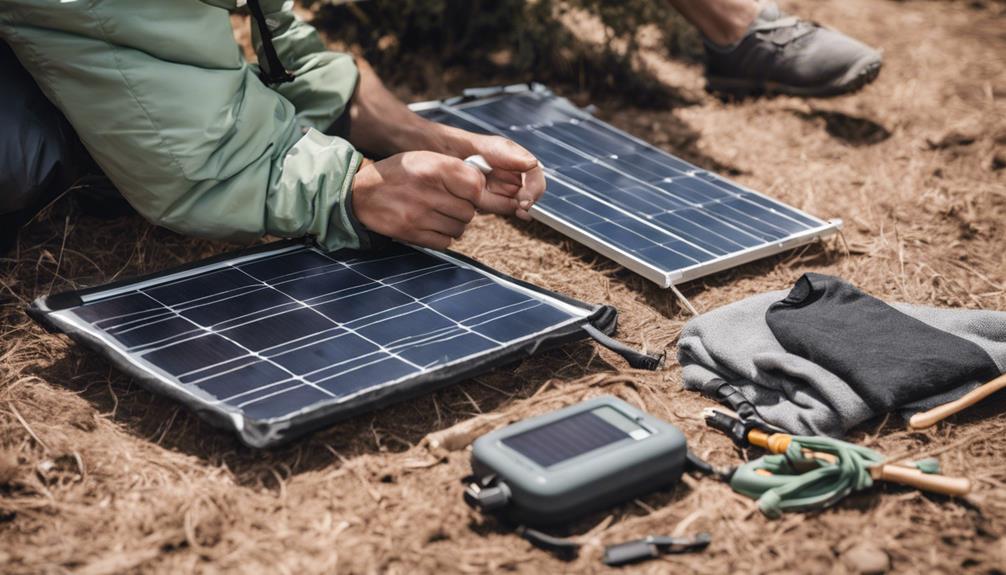
Installing solar panels or a small wind turbine is one of the most visible steps toward a home eco transformation. Solar photovoltaic systems typically offer attractive payback periods, especially when paired with incentive programs or net metering. Adding a battery backup increases resilience and allows you to store excess solar production for use during evening hours or outages. For homeowners considering a complete energy overhaul, pairing rooftop solar with electric vehicle charging and efficient appliances can create an integrated, low-carbon household energy system. Practical considerations include roof orientation, shading, local regulations, and available rebates—working with an experienced installer helps optimize system size and performance. Explore our home energy dashboard to monitor eco-friendly usage and integrate intelligent energy management.
Smart home technology and behavioral changes
Smart home technology makes it easier to manage energy use without sacrificing convenience. Smart thermostats learn occupants’ patterns to reduce heating and cooling when rooms are unoccupied. Connected lighting systems can dim or turn off lights automatically, and smart plugs track power draw from devices that might otherwise stay on standby. But technology is only part of the equation. Simple behavioral changes—like washing clothes in cold water, air-drying when possible, and using energy-efficient cooking practices—compound the gains from hardware upgrades. An environmentally conscious home depends on both smart systems and mindful habits to achieve the best results.
Practical steps to start your home eco project today
Begin with an energy audit to identify the most effective improvements for your property. A professional audit pinpoints air leaks, insulation shortfalls, and inefficient appliances, while also estimating potential savings. From there, prioritize low-cost, high-impact actions such as sealing drafts, swapping to LED bulbs, and installing a programmable thermostat. Plan larger investments—like insulation upgrades, heat pump installation, or solar panels—based on audit recommendations and available incentives. Financing options, including energy-efficient mortgages and government rebates, can make larger projects more manageable. Track performance after upgrades to ensure systems operate as expected and to quantify returns on investment.
Making a home eco transformation is a multi-step process that blends technical upgrades with everyday choices. Whether your goal is to cut bills, reduce emissions, or create a healthier living space, focusing on insulation, efficient heating and cooling, renewable energy, and smart behavior yields measurable results. With an emphasis on practical use cases and attainable improvements, any homeowner can take meaningful steps toward an environmentally conscious home.