Choosing the right energy efficient building materials is one of the most effective ways to lower utility bills, improve comfort, and reduce a home’s environmental footprint. Whether you are planning a new build or retrofitting an older property, materials that enhance the thermal envelope and reduce energy loss deliver long-term value. This article explains the leading material options, practical use cases, and selection tips for homeowners and builders focused on energy efficient construction and home improvement projects.
Why prioritize energy efficient building materials?
Energy efficient building materials reduce the amount of energy needed for heating, cooling, and lighting. For homeowners, this translates into lower monthly heating and cooling costs, fewer greenhouse gas emissions, and more consistent indoor temperatures. For builders, these materials can improve a property’s marketability and compliance with stricter building codes. Beyond immediate savings, choosing durable, high-performance materials often reduces maintenance and replacement costs over the building life cycle, making energy efficient construction a sensible financial decision as well as an environmental one.
Insulation and the thermal envelope: foundations of efficiency
Effective insulation is central to any energy efficient construction strategy. Closed-cell and open-cell spray foam create an air barrier and add R-value, helping to prevent thermal bridging in hard-to-reach cavities. Blown-in cellulose and mineral wool are economical choices for retrofits, offering sound dampening as well as thermal performance. Rigid foam boards and insulated structural panels work well in new construction where continuous insulation helps minimize heat loss through walls and roofs. In addition to traditional R-value considerations, pay attention to air sealing, proper installation, and vapor management to ensure materials perform as intended.
Windows, doors, and glazing for better performance
Windows and doors are common weak points in a home’s thermal envelope, but modern options can dramatically reduce energy loss. High-performance windows feature low-emissivity coatings, inert gas fills between panes, and thermally broken frames to improve insulation without sacrificing daylight. Triple-glazed units are becoming more accessible and are ideal in cold climates. Energy efficient doors use insulated cores and tight weatherstripping to minimize drafts. When selecting products, consider whole-unit U-factor and solar heat gain coefficient, and have them installed by skilled professionals to avoid installation-related performance gaps.
Exterior materials and roofing that reflect and protect
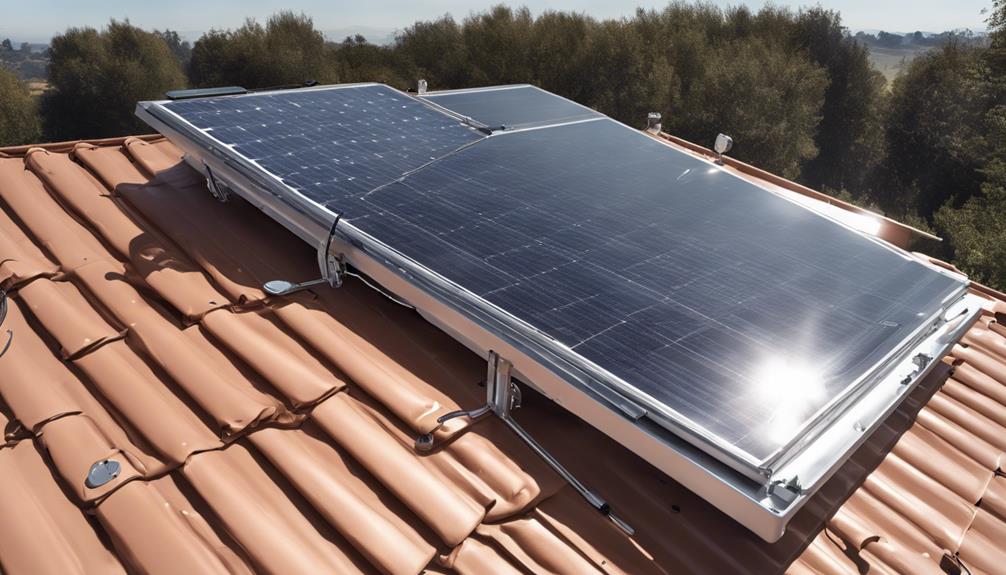
Exterior cladding and roofing choices affect not only the durability and aesthetics of a house but also its thermal behavior. Light-colored or reflective roofing materials, including cool roof coatings and metal systems, reduce heat absorption in hot climates and can lower cooling loads substantially. Green roofs with vegetation provide insulation and evapotranspiration benefits, though they require structural planning and water management. Durable siding options such as fiber cement, engineered wood, or insulated vinyl can improve wall assembly performance when combined with proper sheathing and air barriers. In many energy efficient construction projects, integrating roofing and wall strategies provides compounded benefits.
Innovative interior materials and integrated systems
Beyond traditional products, several innovative materials and systems support energy efficiency inside the home. Phase change materials incorporated into wallboards or flooring can store and release thermal energy, smoothing temperature swings and reducing HVAC cycling. High-performance vapor and air barrier membranes improve airtightness while managing moisture, which is critical for durability in many climates. Radiant floor systems and ductless mini-split heat pumps enable more efficient distribution of heating and cooling when paired with well-insulated assemblies. When considering interior finishes, prioritize materials that enhance the overall system performance rather than focusing on individual R-values alone.
Practical tips for choosing and installing materials
Selecting the right energy efficient construction materials requires balancing upfront cost, long-term savings, and local climate needs. Start by identifying the most cost-effective upgrades: in many homes, improving attic insulation and sealing air leaks yields faster returns than replacing windows. Look for third-party certifications such as ENERGY STAR for windows or industry-specific labels that indicate verified performance. Work with contractors experienced in energy efficient construction to ensure proper installation—poor installation can negate the benefits of premium materials. Finally, consider lifecycle impacts, maintenance requirements, and warranty coverage when making decisions to ensure that choices align with your long-term home improvement goals.
Energy efficient building materials are not a one-size-fits-all solution; successful projects integrate materials into a holistic design that considers climate, orientation, occupancy patterns, and mechanical systems. By prioritizing insulation, airtightness, high-performance glazing, and appropriate exterior choices, homeowners and builders can create comfortable, durable, and low-energy buildings. Thoughtful selection and professional installation help maximize the return on investment in energy efficient construction materials, supporting both immediate savings and broader sustainability goals.