The question why is the sun considered a renewable resource is central to understanding the growth of solar energy and its role in long-term energy planning. Unlike fossil fuels that form over millions of years, sunlight is continuously produced by the sun’s nuclear processes and reaches Earth every day. This steady, abundant flow of energy makes solar power a cornerstone of modern efforts to reduce greenhouse gas emissions, lower energy bills, and increase resilience for homes and communities. Because the sun is continuously replenished, homeowners can explore solar savings benefits for long-term energy costs.
What defines a renewable resource and where the sun fits
Renewable resources are those that are naturally replenished on a human timescale. Water, wind, and biomass are common examples, and the sun belongs in the same category because it produces a virtually inexhaustible supply of energy for billions of years. Many people also ask is the sun a natural resource; the answer is yes. The sun is a fundamental natural asset that drives weather systems, supports plant growth through photosynthesis, and provides the raw energy harnessed by solar technologies.
How solar energy is captured and converted for practical use
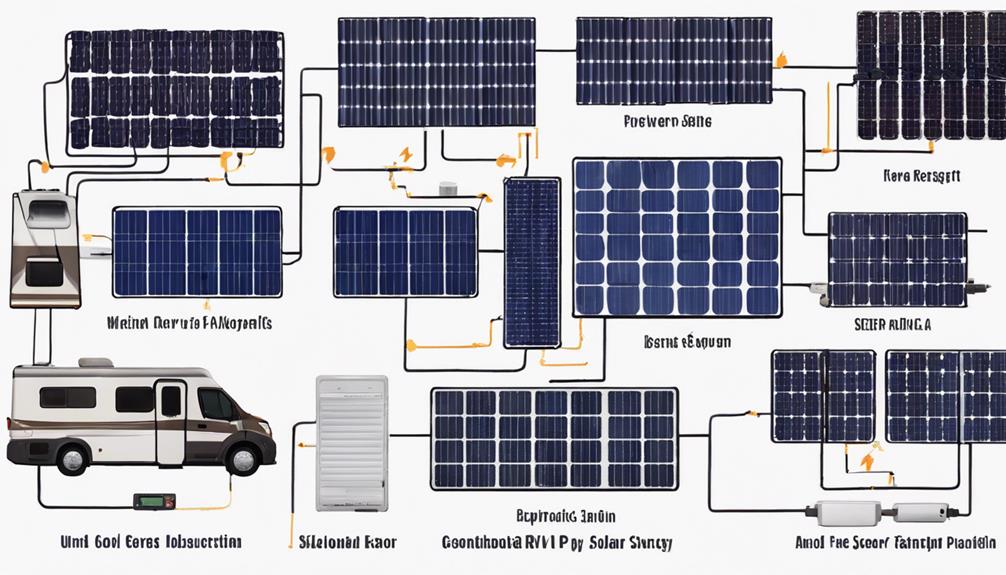
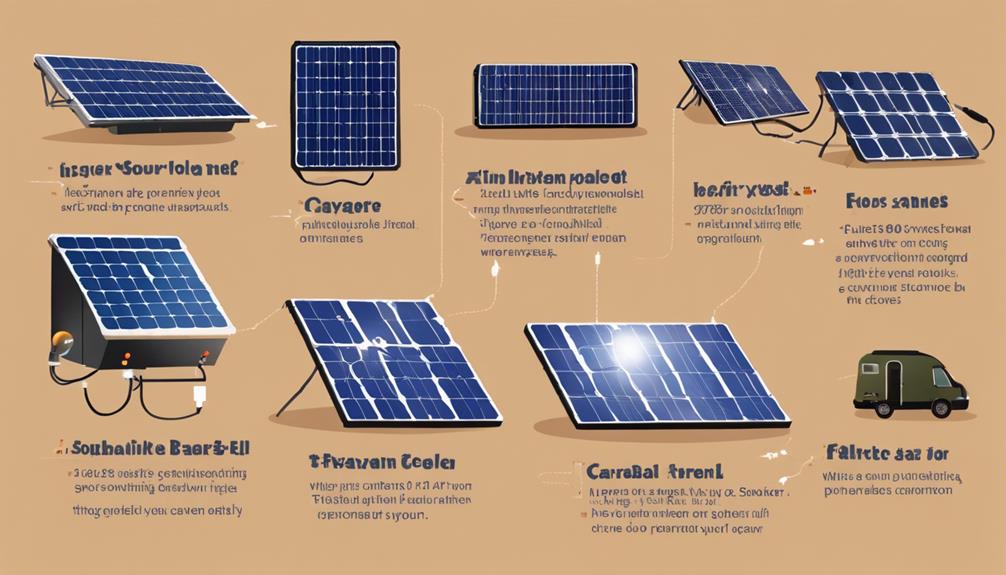
Solar energy is converted into usable power primarily through photovoltaic (PV) panels and solar thermal systems. PV panels turn sunlight directly into electricity using semiconductor materials, while solar thermal collectors concentrate and use sunlight to heat water or air. These technologies make the sun’s continuous output accessible for a wide range of applications, from powering rooftop lighting to supporting entire buildings and microgrids.
Residential and commercial installations
On homes and businesses, rooftop solar arrays supply electricity for appliances, heating and cooling systems, and electric vehicle charging. Grid-tied systems can reduce monthly utility bills through net metering or feed-in tariffs that credit excess generation. For off-grid properties or during outages, battery-backed solar systems provide backup power, enhancing home security and comfort.
Agriculture and industrial use cases
In agriculture, solar pumps and greenhouse heating systems lower operational costs and reduce reliance on diesel generators. Industrial facilities use large-scale solar arrays and concentrated solar power to offset significant energy demands, decreasing operational expenses and carbon footprints.
Environmental and economic benefits that drive savings
One of the strongest reasons why is the sun considered a renewable resource is its direct impact on sustainability and cost savings. Solar systems produce electricity with no on-site greenhouse gas emissions and minimal water use compared with traditional power plants. Over their lifetimes, solar installations typically offset the emissions associated with manufacturing, installation, and maintenance many times over.
Economically, solar reduces utility bills and can stabilize energy costs because sunlight is free once the system is installed. Incentives such as tax credits, rebates, and performance-based incentives further improve the return on investment. For homeowners, adding solar often increases property value; for businesses, it can reduce operating costs and improve predictability in energy budgeting. Understanding the Sun as a renewable resource explains the basics of solar energy conversion for power production.
Limitations, variability, and how they are managed
Although sunlight is renewable, solar power is variable—dependent on time of day, weather, and seasons. This variability raises questions about reliability for continuous power needs. Advances in grid management, energy storage, and distributed generation strategies help manage intermittency. Batteries store excess solar energy for use at night or during cloudy periods, while hybrid systems combine solar with other renewables or gas peaker plants for continuous supply.
Another consideration is the environmental and social footprint of manufacturing PV panels and batteries. Responsible sourcing of raw materials, improvements in recycling, and longer-lasting components are addressing these concerns. Proper siting and design also minimize land use conflicts and protect sensitive habitats.
Why this matters for homeowners, communities, and long-term planning
Understanding why is the sun considered a renewable resource helps households and policymakers make smarter choices. For homeowners, solar offers a route to lower bills, energy independence, and increased resiliency during outages. Communities benefit when local solar reduces demand on centralized grids, lowers emissions, and creates jobs in installation and maintenance.
At a planning level, integrating solar into energy portfolios supports climate goals and makes energy systems more diverse and secure. As technologies improve and costs continue to fall, solar becomes an increasingly practical and cost-effective choice for a wider range of applications, from small residential systems to utility-scale projects.
Practical steps to tap into solar benefits and savings
For those considering solar, the first step is an energy audit to identify consumption patterns and opportunities for efficiency. Pairing efficiency upgrades with a right-sized solar system improves payback and comfort. Explore available incentives in your region and compare financing options such as cash purchase, loans, leases, or power purchase agreements. Working with reputable installers ensures correct system design, permitting, and connection to the grid.
Ultimately, the reason why is the sun considered a renewable resource is as much practical as it is scientific: the sun supplies a persistent, naturally replenished flow of energy that can be harnessed with mature technologies to deliver environmental benefits and long-term savings. As storage and grid integration advance, solar’s role in a clean, resilient energy system will only grow.