The transition to cleaner power sources is accelerating as households and businesses seek ways to cut costs, reduce emissions, and build resilience. Understanding renewable resources and renewable energy is essential for making smart choices about investments like rooftop solar, community projects, and storage systems. This article explains what these terms mean, offers renewable resource examples, evaluates whether renewable energy is sustainable, and highlights practical ways to capture the financial and environmental benefits of solar energy. Exploring renewable resources reveals how solar cost savings and environmental benefits can reduce household energy expenses.
What “renewable resources and renewable energy” really mean
Renewable resources and renewable energy refer to natural inputs and energy flows that are replenished on human timescales. Unlike finite fossil fuels, renewable resources such as sunlight, wind, and flowing water are continuously available. Renewable energy systems convert these resources into usable electricity, heat, or motion. The distinction matters because resource availability influences system design: solar panels harvest photons, wind turbines capture kinetic energy, and hydroelectric dams leverage water flow. Together these systems form a diversified energy portfolio that can reduce dependence on imported fuels and lower greenhouse gas emissions.
Common renewable resource examples and how solar compares
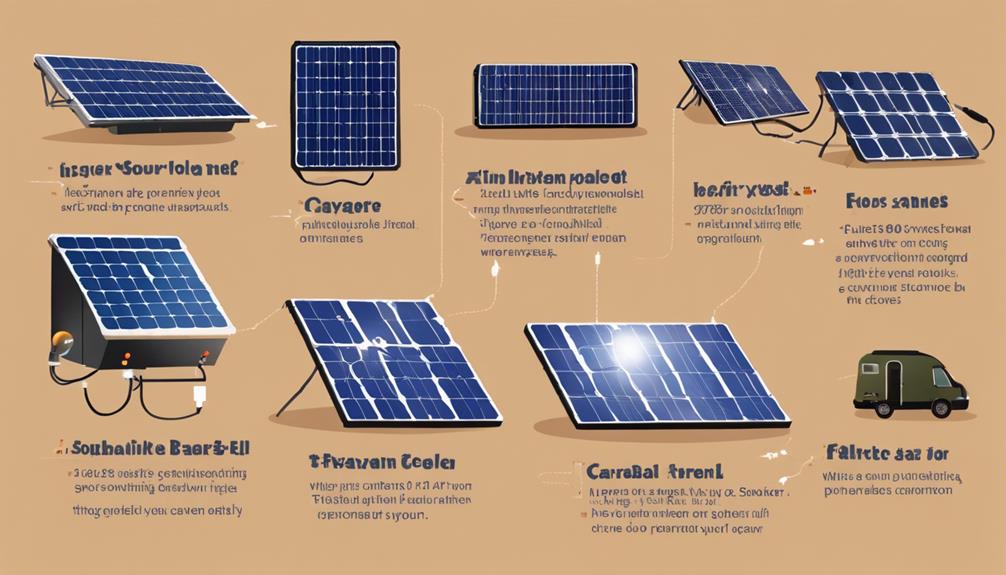
When people ask for renewable resource examples, the usual list includes solar, wind, hydroelectric, geothermal, and biomass. Each has strengths and limitations depending on geography, scale, and environmental impact. Solar energy stands out for its modularity: small rooftop arrays can serve a single home, while large solar farms contribute utility-scale power. Wind is very effective in open plains and offshore, hydro provides steady baseload in suitable river valleys, geothermal offers constant heat where geological conditions permit, and biomass can repurpose organic waste streams. Compared to many alternatives, solar systems can be deployed rapidly with relatively low local environmental disruption and offer predictable savings for property owners.
Solar energy benefits for homeowners and businesses
Solar energy benefits and savings translate into lower utility bills, increased property values, and predictable long-term energy costs. Homeowners who install photovoltaic panels often see dramatic reductions in monthly electricity expenses, especially in regions with high solar irradiance and favorable net metering policies. Businesses can offset operating costs and improve sustainability profiles, which appeals to customers and investors. Solar paired with battery storage enhances resilience against grid outages, enabling critical loads to remain powered. In many jurisdictions, incentives such as tax credits, rebates, and accelerated depreciation further improve the economics, shortening the payback period and increasing return on investment.
Is renewable energy sustainable — lifecycle and environmental considerations
People commonly ask, is renewable energy sustainable? The short answer is yes, but with important caveats. Renewable energy systems dramatically lower lifecycle greenhouse gas emissions compared with fossil fuels. However, sustainability also depends on raw material sourcing, manufacturing impacts, land use, and end-of-life handling. Solar panels require materials and energy to produce, and responsible recycling programs are essential to minimize waste and recover valuable materials. Advances in manufacturing efficiency, stricter environmental standards, and circular-economy practices are improving the sustainability profile of renewable deployments. When planned thoughtfully—avoiding sensitive habitats, prioritizing brownfield sites, and integrating storage to manage intermittency—renewable energy offers a sustainable path for long-term power needs. Use a solar investment returns calculator to estimate how quickly photovoltaic systems recover installation costs and savings.
Practical steps to maximize solar benefits and savings
Capturing the full range of solar energy benefits and savings requires a combination of planning, technology choices, and financial strategy. Start with a professional site assessment to estimate solar potential and system sizing. Pair photovoltaics with energy efficiency upgrades—such as LED lighting, better insulation, and smart thermostats—to reduce the system size needed to reach energy independence. Consider battery systems to store excess daytime generation for evening use or to participate in demand response programs. Explore financing options like power purchase agreements, leases, or loans that fit your cash flow and ownership goals, and research local incentives and net metering rules to optimize returns. For businesses, on-site solar can be combined with sustainability reporting and community programs to enhance brand value and stakeholder engagement.
Use cases: where solar makes the most sense
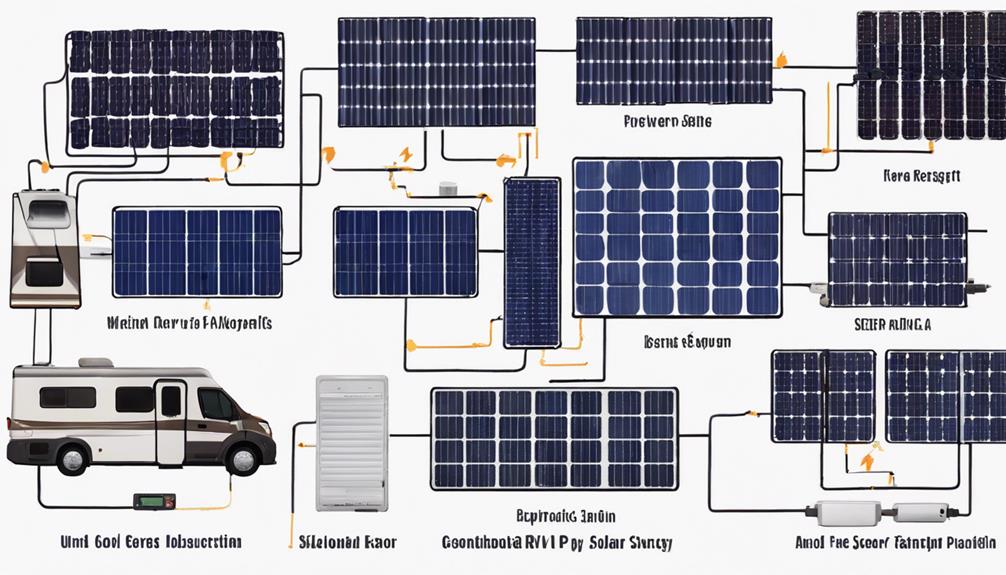
Practical use cases show why solar is a versatile renewable solution. Residential rooftop systems benefit suburban and rural homes with good sun exposure, delivering consistent bill reductions. Commercial rooftops and parking canopies turn underused spaces into energy assets while providing shade and reducing heat island effects. Off-grid and remote installations using solar plus storage are ideal for agricultural operations, telecommunications towers, and emergency shelters where extending the grid is costly. Community solar projects allow renters and apartment dwellers to participate in the benefits by subscribing to shared arrays. Municipalities and institutions can combine solar with efficiency retrofits to lower operating budgets and demonstrate leadership in sustainability.
Overall, renewable resources and renewable energy—especially solar—offer a pragmatic route to lower emissions, greater energy independence, and real economic savings. By understanding examples, evaluating sustainability questions, and following practical installation and financing steps, homeowners and organizations can make informed decisions that deliver both environmental and financial returns. Solar remains a cornerstone of modern renewable strategies, delivering measurable benefits now while supporting the transition to a cleaner energy future.