When people search for “solar def” they are often looking for a clear explanation of what solar means and how solar energy can change household and business finances. Understanding the solar meaning is the first step toward recognizing the practical benefits and long-term savings of switching to solar power. This article explains the definition, financial advantages, environmental impact, practical use cases, and steps you can take to maximize savings from solar energy. Explore how Solar Def solutions reduce bills and emissions in our solar savings guide for homeowners.
What solar def means: a simple definition
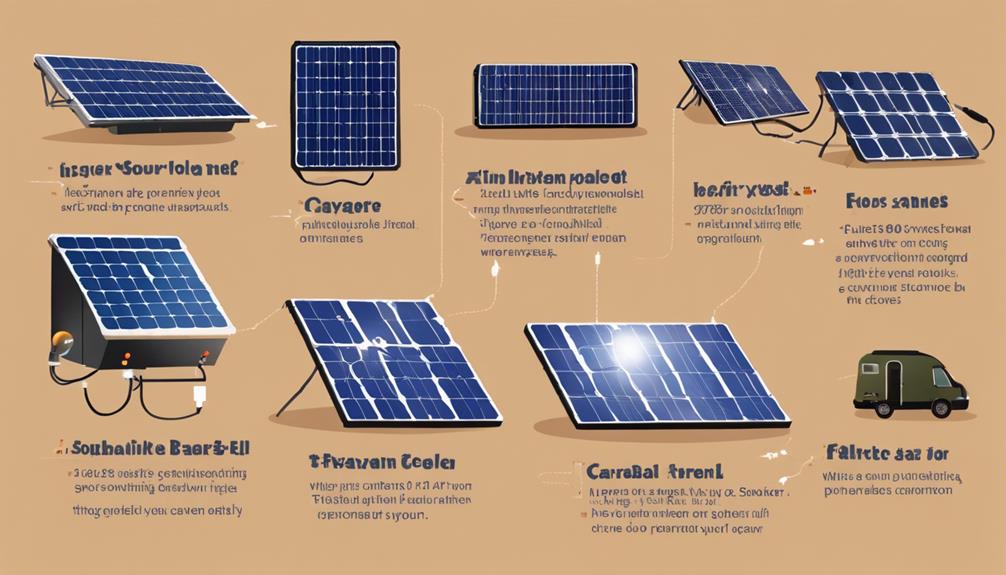
The phrase “solar def” is shorthand many use to request a solar definition: solar refers to anything related to the Sun. In the context of energy, solar means converting sunlight into usable electricity or heat using technologies like photovoltaic panels or solar thermal systems. Photovoltaic panels transform sunlight directly into electrical current, while solar thermal systems capture sunlight to heat water or air. Understanding this basic solar meaning helps homeowners and businesses evaluate options that match their energy needs and savings goals.
Financial benefits and savings from solar energy
One of the strongest incentives for installing solar is the potential for significant financial savings. Solar systems reduce or even eliminate monthly electricity bills by generating on-site power from sunlight. Over time, the cost savings accumulate and can offset the initial investment in equipment and installation. Many regions also offer incentives such as tax credits, rebates, and performance-based incentives that lower upfront costs. Additionally, net metering policies allow owners to sell excess electricity back to the grid, turning surplus production into credits that reduce future bills. When evaluating potential savings, consider system size, local electricity rates, available incentives, and expected energy consumption patterns.
Environmental advantages that add value
Beyond direct savings, solar energy delivers environmental benefits that increasingly factor into buying decisions. By producing electricity without burning fossil fuels, solar systems reduce greenhouse gas emissions and air pollution. This lowers a household or business’s carbon footprint and contributes to broader climate goals. The environmental value can also translate into financial terms: energy-efficient homes with solar installations may command higher resale values, and companies that adopt clean energy often gain reputational advantages that attract customers and investors. These indirect benefits reinforce why many people consider the solar meaning in both economic and ecological contexts.
Practical use cases for homes and businesses
Solar systems are versatile and can be tailored to many practical situations. For homeowners in sunny regions, rooftop photovoltaic panels can supply most of a household’s electricity needs, powering lighting, appliances, heating and cooling systems, and electric vehicles. Off-grid cabins and rural properties benefit from stand-alone solar arrays paired with battery storage to ensure reliable power. Businesses, from small shops to large warehouses, use solar installations to lower operating costs and hedge against rising utility rates. Solar water heating is popular in both residential and commercial settings for reducing energy used by water heaters. Each use case relies on assessing local solar resources, available roof or land area, and energy demand to design an efficient system that maximizes benefits. For readers of Solar Def, our post on different solar technologies explains common photovoltaic and thermal approaches.
How to maximize savings and return on investment
To get the most from a solar investment, take a strategic approach from planning through operation. Start with an energy audit to identify consumption patterns and prioritize efficiency upgrades like LED lighting, improved insulation, and efficient appliances. Reducing overall demand allows a smaller, less expensive solar system to meet a larger share of needs. Next, choose the right system size and components, including inverters and, if needed, batteries to store excess energy. Consider financing options such as purchase, loan, lease, or power purchase agreements; ownership typically offers the highest long-term savings, while leases may lower upfront costs. Finally, stay informed about local incentives and net metering rules, since policy changes can affect payback timelines. Regular maintenance, such as keeping panels clean and monitoring system performance, helps sustain production and long-term value.
Emerging trends and future prospects
Technological advances and declining equipment costs continue to expand the appeal of solar. Improvements in panel efficiency and battery storage are making solar viable in more climates and use cases. Smart home integration allows homeowners to schedule energy-intensive tasks during peak solar production, maximizing self-consumption and savings. Community solar projects are opening access to people who cannot install panels on their own property, broadening participation and reinforcing local resilience. As these trends evolve, the solar meaning expands from a simple definition to a dynamic category of solutions that deliver financial, environmental, and operational benefits.
In summary, understanding the solar def and solar meaning lays the foundation for evaluating how solar energy fits into your life or business. Solar systems offer compelling financial benefits, reduced environmental impact, and a variety of practical applications. With careful planning, efficiency upgrades, and attention to incentives and policies, switching to solar can provide durable savings and help meet broader sustainability goals. Whether you are exploring solar for the first time or refining an existing system, the advantages of solar energy continue to grow as technology and market conditions improve.