The development of renewable energy is reshaping how communities, businesses, and governments plan for a cleaner, more resilient energy future. Within this shift, solar energy stands out not only for its environmental benefits but also for measurable cost savings that accelerate adoption across the renewable energy sector. This article explores how solar contributes to renewable energy growth, how renewable energy infrastructure supports savings, and what the future of renewable energy technologies means for homeowners, manufacturers, and policymakers.
How solar drives the development of renewable energy
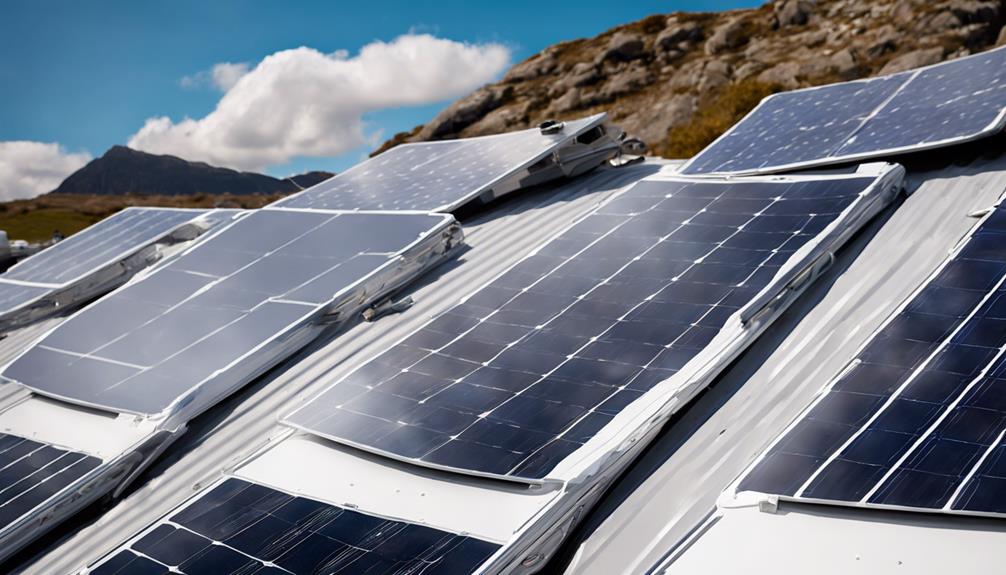
Solar energy has become a central pillar in the broader development of renewable energy because it is scalable, increasingly affordable, and compatible with a range of installations from rooftop residential systems to utility-scale solar farms. Advances in renewable energy tech have lowered the cost per watt of solar panels, while improvements in energy storage and grid integration make solar a more reliable contributor to the clean energy industry. As a result, the renewable energy sector has seen rapid growth, with solar often leading new renewable energy sources entering the market. This momentum has a compounding effect: as more solar capacity is installed, manufacturing volumes rise, driving down costs further and prompting investment in renewable energy infrastructure.
Renewable energy infrastructure and the economics of savings
Investment in green energy infrastructure—from transmission upgrades to smart inverters and batteries—directly affects the economics of solar adoption. When renewable energy infrastructure is modernized to handle distributed generation, homeowners and businesses can capture greater savings by exporting excess power or by shifting consumption to periods of peak solar generation. For the clean energy industry, these infrastructure upgrades also reduce curtailment and improve the return on investment for large-scale renewable development. In regions where policy and market structures support net metering or time-of-use pricing, solar owners enjoy clearer pathways to recover installation costs, further incentivizing renewables growth and reinforcing the clean energy future.
Renewable energy technology advances and industry growth
The future of renewable energy technologies is being shaped by innovation across multiple fronts: higher-efficiency photovoltaic cells, improved energy storage solutions, and smarter grid controls. These advancements contribute to renewable energy industry growth by making solar and other alternative energy industry offerings more competitive against conventional generation. In the United States and beyond, renewable energy manufacturing has expanded to meet demand for panels, inverters, and batteries, supporting job creation and strengthening domestic supply chains. As manufacturing scales and costs fall, new renewable energy sources become more accessible to a broader range of consumers, accelerating the transition to a green energy industry.
Policy, market trends, and the future of renewables
Policy frameworks and market trends play a decisive role in the future of renewable energy. National and local renewable energy strategies, incentives, and regulations can speed up or slow down the renewables growth trajectory. In the US renewable energy market, for example, federal incentives and state-level renewable portfolio standards have driven significant deployment of solar and wind. Globally, the clean energy future depends on continued investment in renewable development, supportive policy, and private sector engagement. Trends such as corporate renewable procurement, community solar programs, and the integration of electric vehicles into grid planning point to a diversified and resilient future for the renewable energy industry.
Practical use cases: how solar delivers savings for households and businesses
For homeowners, the most immediate benefit of solar is reduced electricity bills. By generating a portion of household electricity needs, solar systems lower monthly costs and hedge against future utility rate increases. Beyond direct savings, solar installations can increase property values and offer protection during power outages when paired with battery systems, contributing to home security and energy resilience. For businesses, solar delivers predictable operating costs, demonstrates corporate responsibility within the clean energy industry, and often yields attractive payback periods. Industrial-scale solar and hybrid systems also enable manufacturing facilities to reduce reliance on the grid, lower carbon footprints, and stabilize energy budgets—factors that are increasingly important in competitive markets.
Looking ahead: the future of renewable energy and new opportunities
The future of renewable energy is likely to be characterized by a diversified mix of technologies and deployment models. As the green energy industry evolves, new energy sources and improvements in existing renewables will create opportunities in both urban and rural settings. Continued declines in cost, enhancements in renewable energy tech, and strategic investments in green energy infrastructure will support sustained growth. For communities planning long-term energy strategies, integrating solar with storage, demand management, and supportive policies will be key to realizing the full benefits of clean energy. Moreover, renewable energy articles and research increasingly highlight the socio-economic advantages of renewables, such as job creation and improved public health, further bolstering the case for continued investment.
In conclusion, the development of renewable energy—especially solar—offers a pathway toward significant environmental benefits and concrete savings for consumers and businesses. By investing in renewable energy infrastructure, advancing renewable energy technology, and aligning policy with market incentives, governments and private actors can ensure that the renewable energy sector delivers both immediate cost advantages and long-term resilience. As the renewable energy industry continues to mature, the combined momentum of technological innovation, manufacturing growth, and strategic deployment will shape a cleaner, more affordable future of energy production.