Electronic solar technology has become a central part of residential energy planning. As homeowners look for cleaner, more reliable ways to power their lives, understanding electronic solar options and how solar electric systems function is essential. This article explains what electronic solar means in practical terms, how residential solar panels operate, what to expect visually from an installation, and how to choose the right energy panel setup for your home.
What is electronic solar and why it matters for homes
The term electronic solar generally refers to the electronic systems and components that convert sunlight into usable electricity for homes. While many people think primarily of the panels on the roof, electronic solar encompasses photovoltaic cells, inverters, wiring, monitoring systems, and sometimes energy storage like batteries. Together these elements form solar electric systems that transform solar energy into the alternating current used by household appliances. For residential solar panels, this integration of electronics ensures reliable performance, system safety, and the ability to optimize energy use through smart monitoring and controls.
How residential solar panels and solar electric systems work
Residential solar panels are made up of photovoltaic cells that absorb sunlight and create a flow of electrons, producing direct current electricity. Because most homes use alternating current, an inverter is required to convert DC to AC; this is one of the key electronic components in any solar electric system. Modern inverters often include smart features for performance tracking and grid interaction. When panels produce more electricity than the household needs, excess power can be exported to the grid or stored in batteries for later use. Net metering arrangements allow homeowners to receive credit for power sent back to the grid, while battery-backed systems provide backup power during outages and greater energy independence.
What do solar panels look like and how they fit into a property
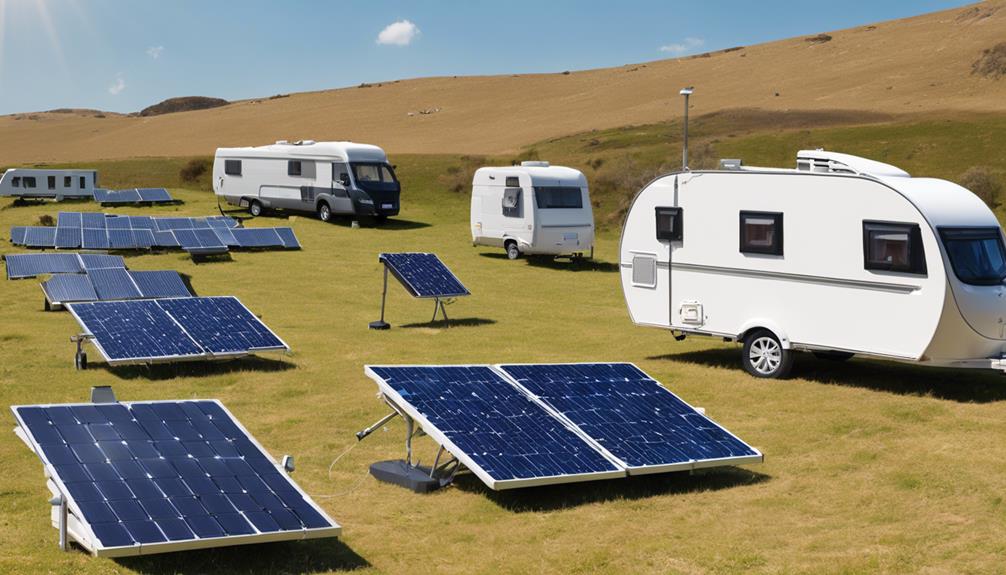
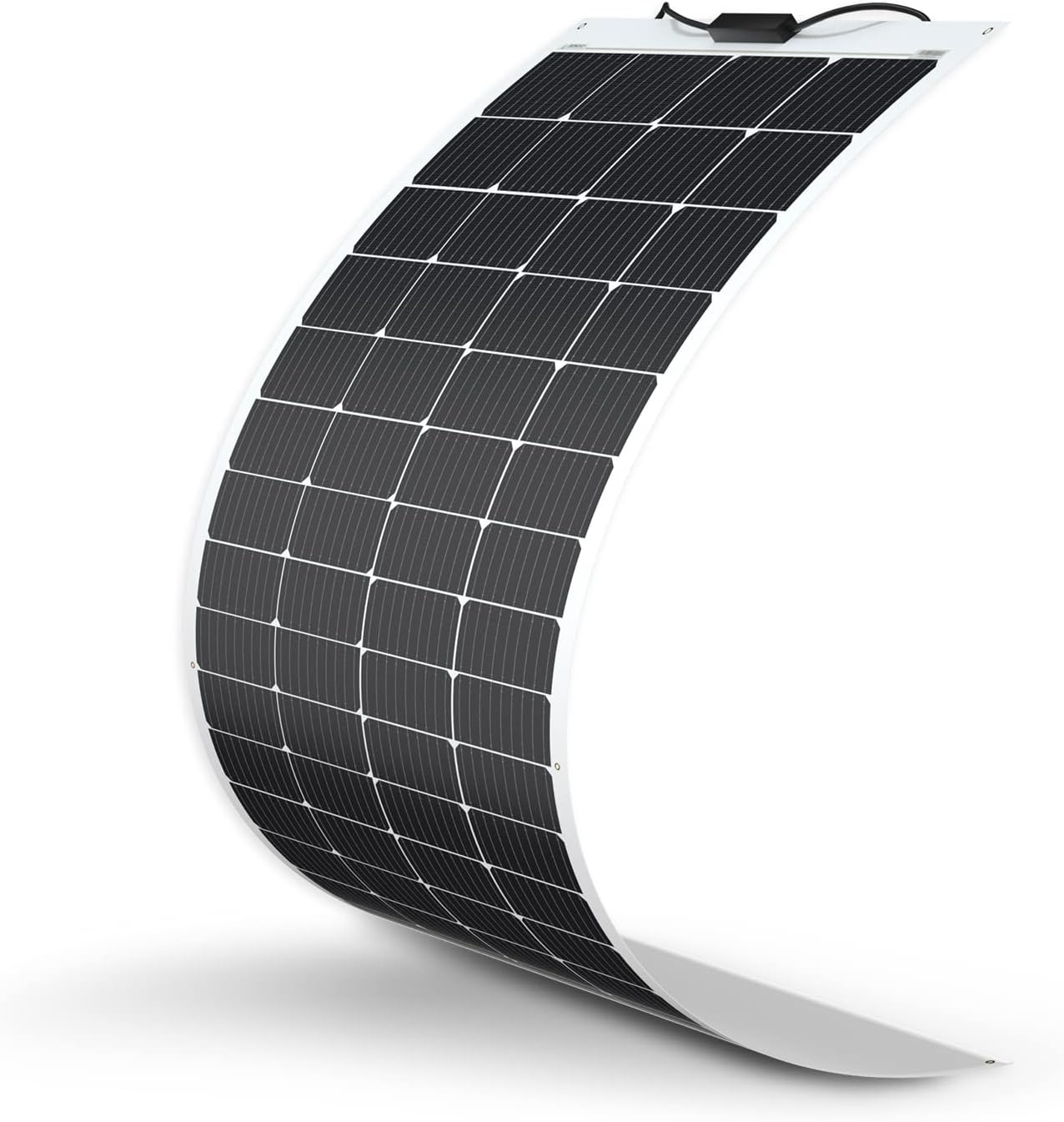
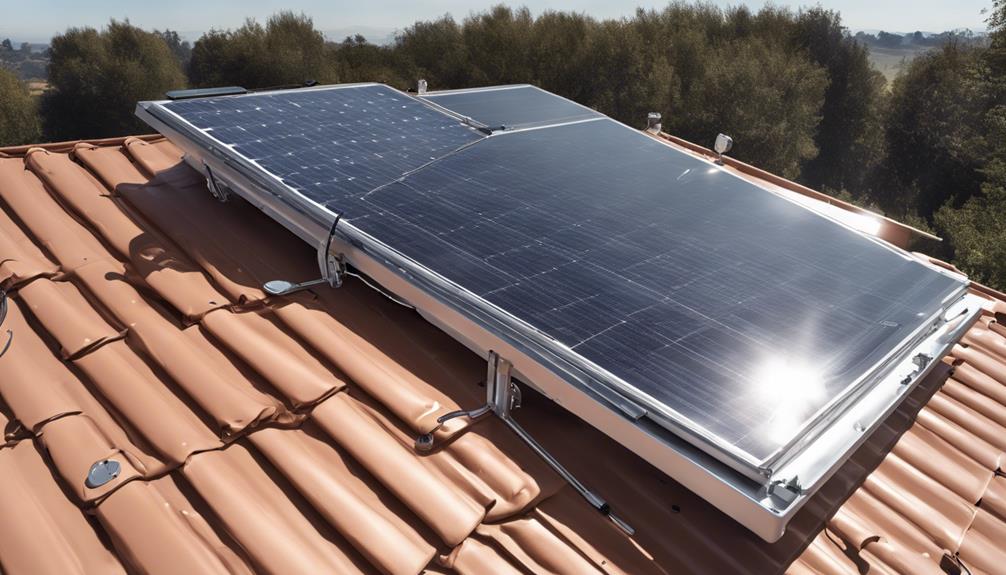
Many homeowners ask, what do solar panels look like and how will they affect the appearance of their home? Typical residential panels are rectangular, flat, and dark blue or black, sized to fit standard roof spaces. They have a framed edge and tempered glass surface that gives them a sleek, reflective finish. While rooftop installations remain the most common, ground-mounted systems are an option for homes with limited roof space or shading issues. There are also low-profile and integrated roofing products designed to blend with shingles or tiles for a less obtrusive look. Modern energy panel designs have become more streamlined over time, and installers can often present visual mockups so homeowners can see how an array will look on their property before committing to a purchase.
Practical use cases for solar electric in residential settings
Solar electric technology supports many practical residential applications beyond simply lowering monthly electric bills. For households focused on resilience, a solar-plus-storage setup can power essential circuits during grid outages, keeping refrigeration, medical devices, and communications active. Families with electric vehicles can charge at home using solar power, reducing fuel costs and greenhouse gas emissions. People focused on energy efficiency can pair panels with smart thermostats and home energy management systems to shift consumption to times when solar generation is highest. Additionally, adopting residential solar panels can increase property value and appeal to buyers who prioritize lower operating costs and sustainability.
How to choose the right electronic solar system for your home
Selecting the appropriate electronic solar equipment involves several considerations. Begin by assessing your household’s energy use to determine the necessary system size. Roof orientation, shading, and available space influence how many panels you can install and how much power they will generate. Compare the efficiency and warranties of different energy panel models, paying attention to performance guarantees and degradation rates. When evaluating inverters and battery options, consider compatibility, expected lifespan, and the ease of future expansion. Work with certified installers who can provide a site assessment, accurate production estimates, and assistance with permits and local regulations. Financing alternatives such as purchases, loans, leases, and power purchase agreements affect long-term savings, so review costs and incentives carefully to find the most economical path to installation.
Maintenance and long-term performance of solar electric systems
Residential solar panels require relatively little maintenance, but periodic care helps maximize output and longevity. Basic tasks include keeping panels free of debris, checking for shading from new tree growth, and ensuring that mounting hardware and wiring remain intact. Many systems come with remote monitoring that alerts homeowners to drops in performance or faults in the inverter or panels. Manufacturers typically offer warranties covering product defects and energy production for 10 to 25 years, and reputable installers provide workmanship guarantees. Understanding expected degradation rates and monitoring long-term performance will help you determine when upgrades or expansions may be beneficial.
Electronic solar technology has matured into a reliable, practical choice for homeowners interested in lower energy costs, greater resilience, and a smaller carbon footprint. By understanding how solar electric systems work, what do solar panels look like on your roof, and how to choose the right energy panel and supporting electronics, you can make informed decisions that fit your household’s needs. Whether you aim to reduce monthly bills, support electric vehicle charging, or secure backup power, residential solar panels offer a flexible, scalable path to clean energy at home.