Homeowners increasingly look beyond off-the-shelf solutions to meet unique energy needs, and custom solar modules are becoming a go-to option for residential solar panels. Tailored arrays let you optimize energy production, match architectural aesthetics, and integrate with storage or electric vehicle charging in ways that standard panels cannot. This article explains what custom solar modules offer, when to choose them, key technical considerations, practical use cases, and what to expect regarding installation, maintenance, and cost. Learn how custom rooftop modules integrate with home electrical systems to optimize residential solar installations.
Benefits of custom solar modules for residential installations
Custom solar modules provide homeowners the flexibility to design a system that fits their roof geometry, shading patterns, and aesthetic preferences. Rather than rearranging household energy use to match a preconfigured array, homeowners can work with designers to maximize kilowatt output from limited or irregular roof space. Custom modules can also be made in different sizes, shapes, or colors to blend with roof lines and preserve curb appeal, which matters in historic neighborhoods or for homeowners with strict homeowners association guidelines. Performance benefits include tailored string lengths and optimized panel orientation to reduce mismatch losses, which increases annual energy yield compared with a one-size-fits-all system.
When to choose custom solar panels over standard systems
Choosing custom solar panels is often worthwhile when a standard system would leave significant untapped capacity or create installation challenges. For example, if your roof has multiple dormers, skylights, or a non-standard pitch, custom-cut modules can make use of awkward spaces that standard panels cannot cover efficiently. Custom arrays are also advantageous for properties with partial shading from trees or neighboring buildings; panels can be arranged with microinverters or power optimizers to maintain production on shaded strings. Homeowners planning to add battery backup, off-grid capability, or dedicated EV charging circuits may benefit from a tailored design that prioritizes energy flows, ensures compatibility with storage inverters, and supports future expansion.
Technical considerations and components
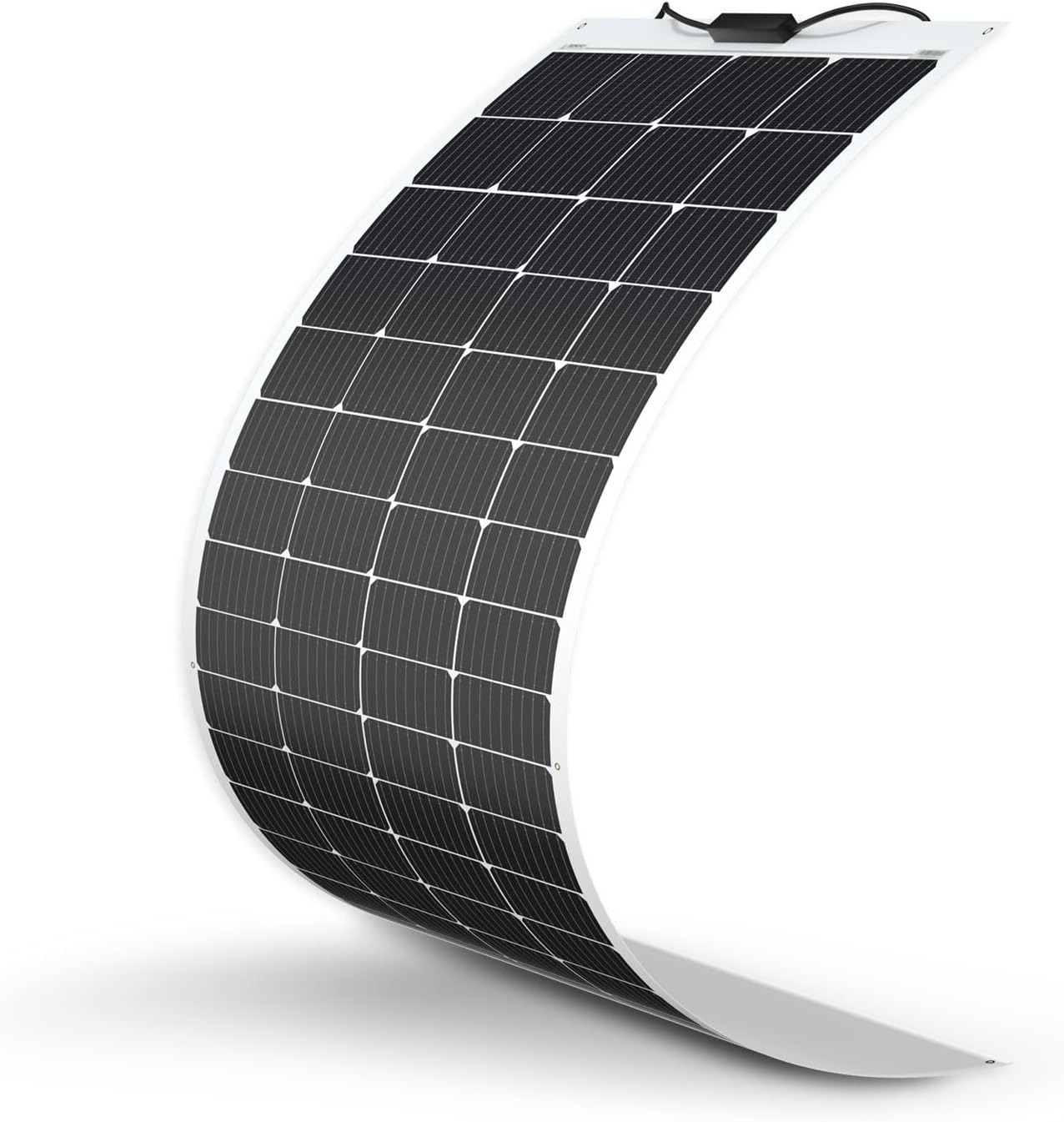
When considering custom solar modules for residential use, several technical factors determine long-term performance. Module type remains important: monocrystalline panels offer higher efficiency and a smaller footprint, while thin film can be more flexible for curved or nonstandard surfaces. Power rating per module, temperature coefficient, and degradation rate affect how much usable energy you will get over the system’s lifetime. Electrical design elements, such as choosing between central inverters, microinverters, or DC optimizers, influence system resilience to partial shading and ease of monitoring. Proper mounting hardware and flashing details are critical for roof integrity, and local building codes often require specific wind- and snow-load ratings. Finally, ensure modules carry recognized certifications and warranties that cover both product defects and performance over time.
Practical use cases for homeowners
Custom solar modules unlock solutions that standard panels cannot. In urban areas with small roof areas, a tailored high-efficiency array can meet a large portion of household demand by making use of every viable square foot. For homeowners with a detached garage or carport, custom panels can be designed to form an integrated carport canopy, protecting vehicles while generating power. Rural properties often require off-grid or hybrid setups; custom modules sized to match battery bank capacity and morning versus evening usage patterns enable reliable backup power for critical loads like home security systems, refrigeration, and heating. Landscaped homes with many trees can use a combination of smaller custom modules and microinverters to reduce the impact of shade and keep energy production steady throughout the day. Custom designs influence ideal siting, so review our module placement tips for maximizing energy yield.
Installation, permits, maintenance, and cost considerations
The custom approach adds steps to the typical residential solar process but provides tailored outcomes. A custom installation begins with a detailed site assessment, roof survey, and electrical load analysis. Engineers produce drawings and calculations for structural loading and fire setbacks that are submitted with permit applications. Because each module may differ in size or orientation, installers must carefully plan wiring, roof penetrations, and access for maintenance. Maintenance needs for custom modules are similar to standard systems—periodic cleaning, inverter checks, and monitoring for performance drops—but the unique layout may require specialized replacement parts in the future. Cost is generally higher than standardized systems due to bespoke manufacturing, additional design time, and more complex installation labor. However, increased energy yield, better aesthetics, and the ability to meet specific needs often improve return on investment when compared over the life of the system, especially when combined with available tax credits or local incentives.
Maximizing long-term value and performance
To maximize the value of custom solar modules, start with a clear plan for energy goals and future changes. If you anticipate adding batteries or expanding capacity, design the electrical layout and roof space allocation with expansion in mind. Choose modules and inverters with strong warranties and consider monitoring systems that provide panel-level performance data so you can detect and address issues quickly. Engage installers and suppliers with experience in bespoke residential projects, and request references or examples of completed installations. Properly designed and maintained custom solar panels can increase property value, reduce reliance on the grid, and provide predictable energy savings for decades.
Custom solar modules offer residential homeowners a powerful way to tailor solar installations to complex roofs, shading challenges, aesthetic goals, and future energy needs. While the upfront cost and design complexity are higher than for standard systems, the benefits—improved energy generation, seamless integration with storage or EV charging, and better visual fit—often justify the investment. By evaluating technical parameters, planning for permits and maintenance, and partnering with experienced professionals, homeowners can achieve a high-performance, long-lasting solar solution that meets their unique requirements.