As more homeowners add electric vehicles to their garages, a growing question is how to charge them sustainably and affordably. A solar car charger can be an elegant solution that pairs rooftop solar panels, a home solar battery storage system, and an EV charger to deliver low‑cost, low‑carbon miles. This article explains how solar car chargers work, how they integrate with home battery systems, practical use cases including portable options and off grid setups, and what to consider when planning a solar powered EV charging solution at home.
How a solar car charger works
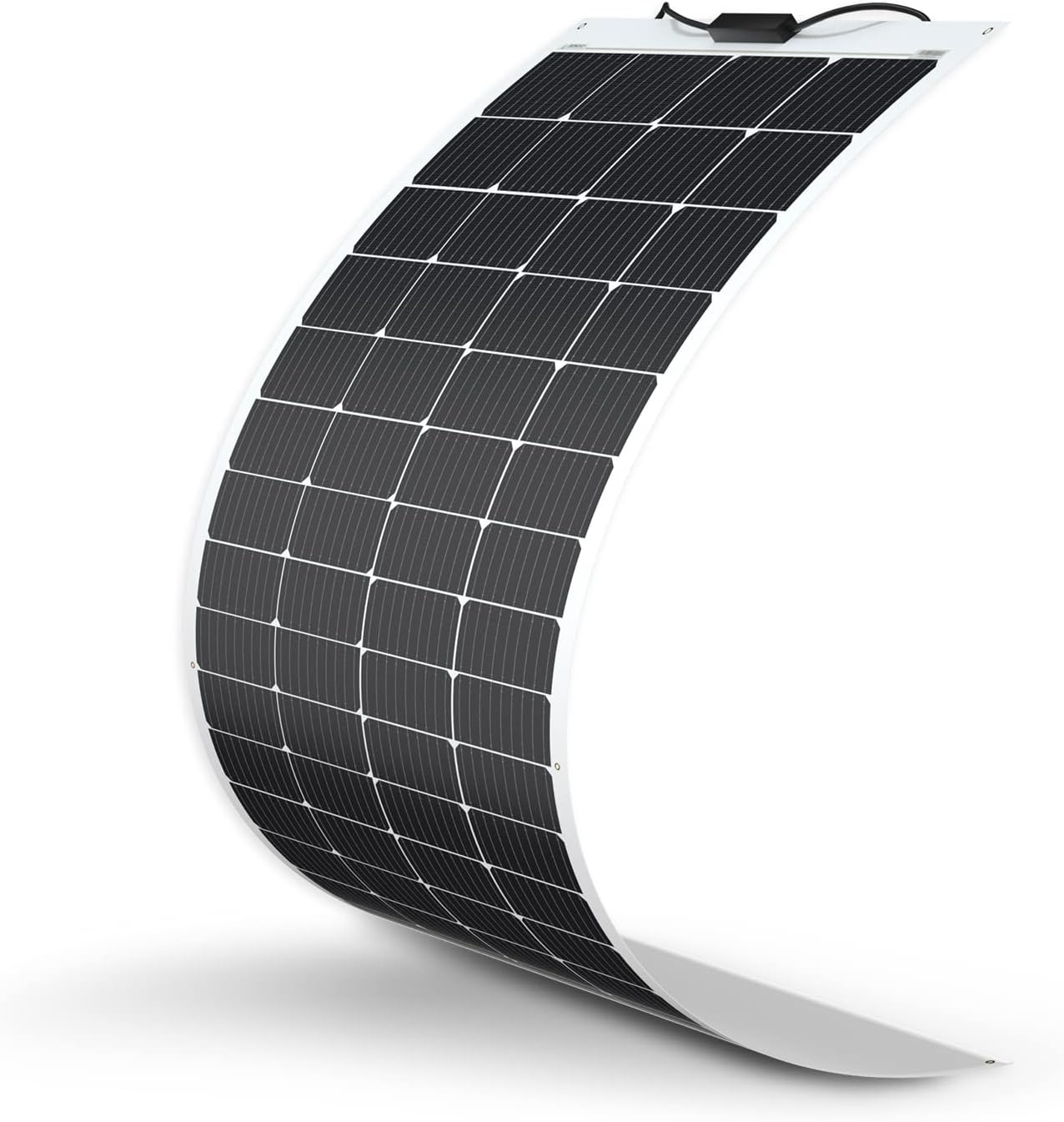
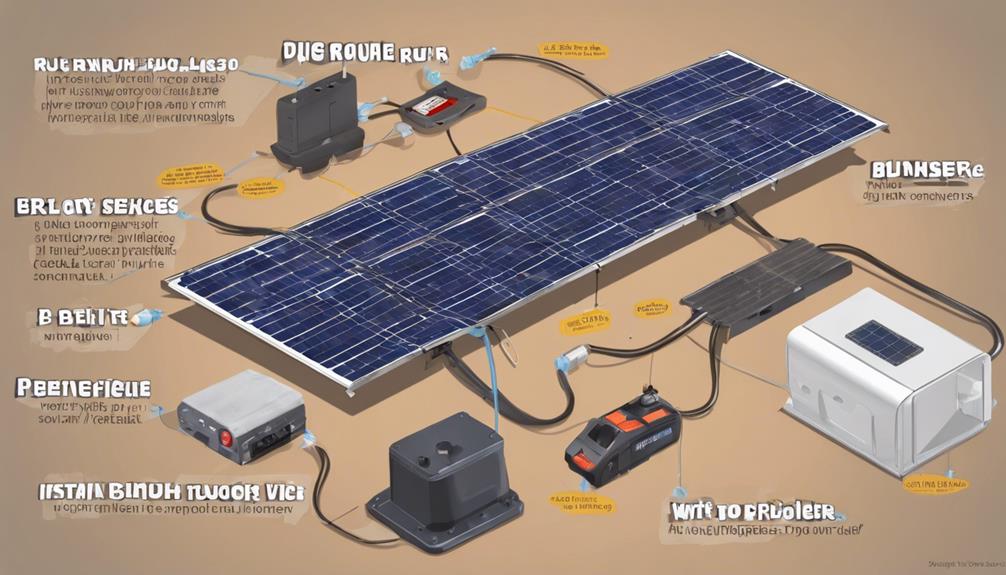
A solar car charger turns DC power from photovoltaic panels into usable electricity for an electric vehicle. In a typical setup, solar panels for EV charging generate DC power that flows through an inverter and charge controller or through a charging station compatible with AC input. When a home solar battery storage system is included, excess solar energy can be stored and released later to charge the car during evenings or cloudy days. This combination creates a solar power EV car charger system that reduces reliance on the grid and can provide cleaner charging.
Integrating solar EV charging with home solar battery storage
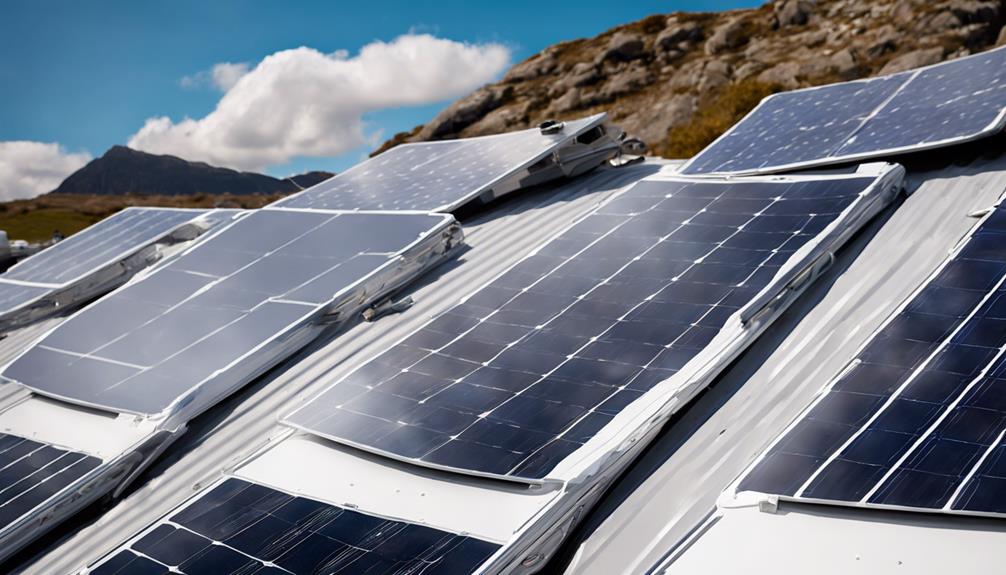
Integrating a solar electric car charger with home battery storage improves reliability and flexibility. Batteries allow you to shift solar generation to times when the car is plugged in, enable smart charging to avoid peak electricity rates, and provide backup power in outages. For many homeowners, the most practical configuration is rooftop solar panels feeding both the home and a battery, with an EV charger wired to draw from either the grid or the battery pack under automated control. This arrangement—often called a solar car charging station for home—lets you prioritize charging with stored solar energy while still having grid power as a fallback.
Practical use cases: home charging, portable solutions, and off grid charging
Homeowners who commute modest distances can often meet most of their daily driving needs with a solar powered electric car charger tied to a modest PV system and battery. For example, if your EV consumes roughly 0.3 kWh per mile and you drive 30 miles per day, you need about 9 kWh daily. A well‑sized solar array combined with home solar battery storage can easily cover that in many climates.
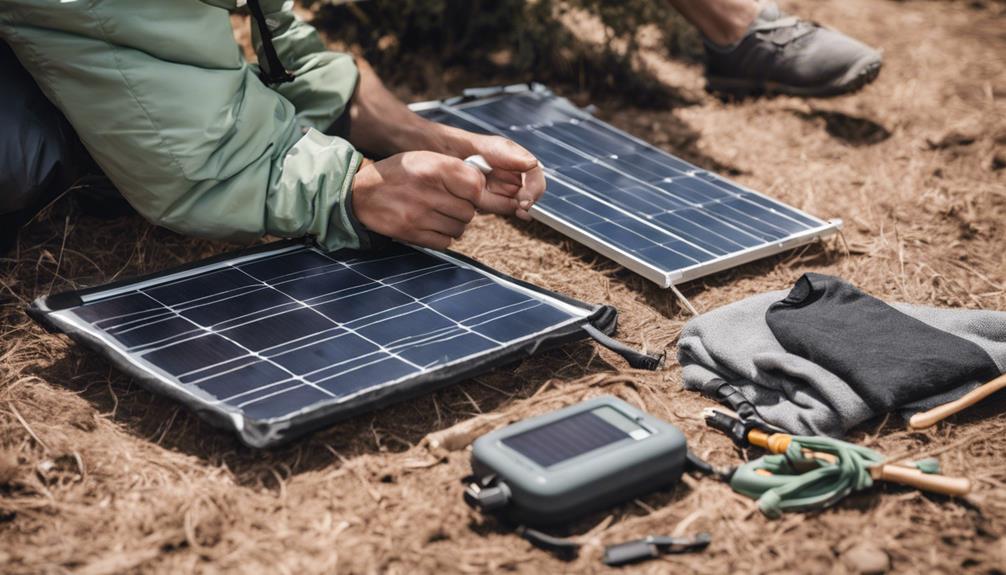
Portable solar EV chargers and portable solar panels for EV charging are useful for travelers and remote use. These kits typically include foldable panels, an MPPT charge controller, and an inverter to provide Level 1 charging to an EV using the vehicle’s onboard charger. Portable solar EV charger rigs are slower than dedicated home stations but can be invaluable for camping, road trips, or work sites without grid access.
For off grid solar EV charger scenarios—such as cabins or remote properties—a more robust system is required. Off grid setups usually combine a larger battery bank, a reliable inverter, and sufficient solar panels to cover both vehicle charging and household loads. These systems must be designed carefully to avoid depleting batteries unnecessarily and to ensure the EV can charge at a useful rate.
Choosing the right hardware and sizing your system
When planning a solar electric vehicle charger, decide first whether you want permanent home installation or a portable option. A dedicated wall mounted charge point (Level 2) will charge much faster than a portable panel kit and typically requires a hardwired connection to your home electrical system. Look for chargers that support smart charging features so they can accept solar or battery input when available and pause or slow charging when grid power is preferable.
Sizing the solar array and battery depends on daily driving distance, panel production in your area, and whether you want to cover all charging needs from solar. Work with an installer or use online tools to estimate panel output and battery capacity. Remember that a solar panel charger for electric car use will rarely match the instantaneous power of DC fast charging; most residential solar powered EV chargers will be optimized for overnight or daytime Level 2 charging.
Installation, costs, incentives, and compatibility
Installing a solar EV charging station for home typically involves roof‑mounted PV panels, inverters, a battery system if desired, and a compatible EV charger. Costs vary widely by system size and local labor rates. Fortunately, federal, state, and local incentives often reduce upfront costs for residential solar and battery systems, and some utilities offer rebates for smart EV chargers or time‑of‑use programs. Check with local authorities and installers for permits and interconnection requirements.
Compatibility is another important point. Make sure your chosen charger matches your vehicle’s inlet and supports the charging levels you expect. Most EVs in North America and Europe work with standard AC Level 1 and Level 2 chargers; smart chargers can communicate with home energy management systems to prioritize solar power or battery draws. For those pursuing a solar powered EV charger setup, confirming inverter and charger specifications ensures efficient conversion and minimizes losses.
Maintenance, limitations, and realistic expectations
Solar car chargers and the associated PV arrays require routine maintenance—mainly keeping panels free of heavy debris and ensuring wiring and connections remain intact. Batteries have finite lifespans and may need replacement or capacity management over time. It is important to set realistic expectations: solar powered ev chargers are excellent at reducing lifetime fuel costs and emissions, but they are typically not a direct substitute for public fast charging when rapid fill‑ups are needed.
Environmental factors, roof orientation, and local sunlight levels affect how much of your EV charging can realistically come from solar. Portable solar powered ev chargers offer flexibility but limited power. For full home integration and maximum benefit, pairing solar panels for EV charging with home solar battery storage and a smart charging station yields the most reliable and cost‑effective results.
In conclusion, a solar car charger integrated with home solar battery storage can dramatically lower the environmental impact and operating cost of driving an electric vehicle. Whether you choose a permanent solar ev charging station at home, a portable solar ev charger for travel, or an off grid solar EV charger for remote locations, understanding system sizing, compatibility, and the role of battery storage will help you design a solution that meets your daily needs while maximizing solar utilization.