Quick summary
Solar energy solutions range from rooftop photovoltaic (PV) panels and solar water heating to large concentrated solar power (CSP) plants and community solar projects. Solar PV is currently the main driver of renewable growth worldwide, and pairing PV with storage or grid programs makes solar useful beyond daylight hours. Costs have fallen substantially, and U.S. federal incentives (Inflation Reduction Act-era) can significantly lower upfront costs—confirm current details with IRS/DOE guidance. (IRENA 2025; IEA 2026; IRS 2025)
How solar converts sunlight into usable energy
Photovoltaics (PV) — basics and applications
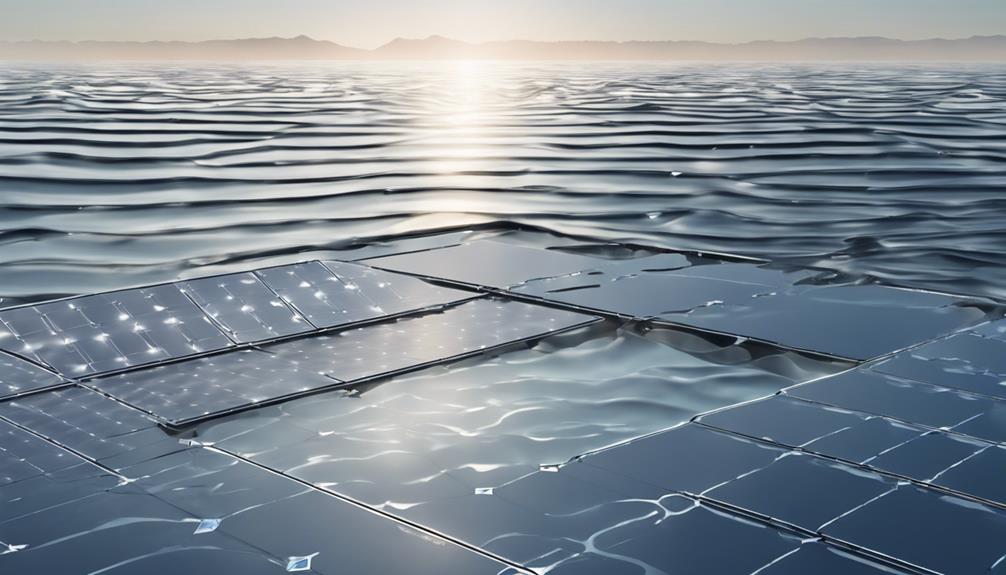
Photovoltaic modules turn sunlight directly into electricity using semiconductor cells (typically silicon). PV is scalable: small residential rooftop arrays, commercial flat-roof systems, distributed/behind-the-meter installations, and utility-scale PV farms. PV can be mounted on roofs, integrated into building materials (BIPV), placed on water (floating PV), or combined with agriculture (agrivoltaics).
Solar thermal / CSP — heat, steam, and thermal storage
Solar thermal includes solar water heating (SWH) for homes and concentrating solar power (CSP) for utility-scale heat-to-electricity conversion. CSP systems use mirrors to concentrate sunlight to produce heat and can store thermal energy (molten salt, for example) to generate power after sunset—helping address the traditional daytime-only critique of solar. (NREL 2025)
Where solar is used
Common deployment types:
- Residential rooftop PV: Typical homeowner option for reducing electricity bills and emissions.
- Commercial / industrial PV: Larger rooftops and carports often host bigger systems with faster payback.
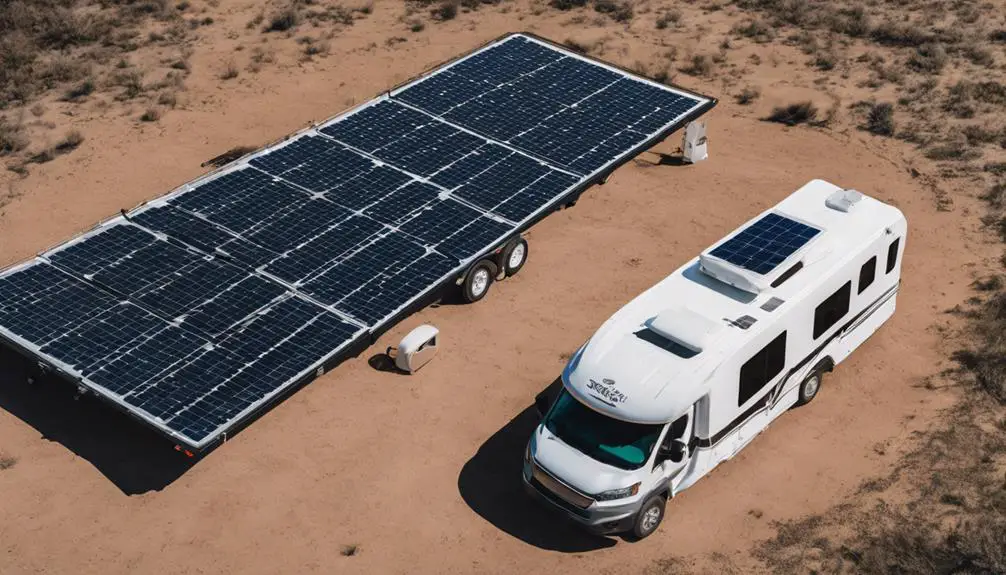
- Utility-scale PV: Large ground-mounted arrays are a dominant source of new generation additions globally. (IRENA 2025)
- Community solar / shared solar: Subscribers share output from a common array—useful when rooftop installation isn’t possible.
- BIPV, floating PV, agrivoltaics: Emerging siting and design approaches that add functionality or save land.
Costs, incentives, and finance
Module and system costs have declined significantly over the past decade; utility PV Levelized Cost of Energy (LCOE) is competitive with many fossil alternatives in many regions. Consult recent LCOE reports for local values (Lazard 2025; IRENA 2025).
In the U.S., Inflation Reduction Act-era incentives provide tax credits and bonuses for residential and commercial solar and solar water heating. Eligibility and bonus conditions (for example, apprenticeship and prevailing wage requirements) are set by IRS and DOE guidance—verify current percentages and requirements before committing. (IRS 2025)
Financing options include cash purchase, loans, leases, and power purchase agreements (PPAs). PPAs and community solar can let customers access solar without upfront installation. Rebates and state incentives vary by location; check your state energy office or database for current programs.
Savings & performance
Performance depends on system size, orientation, shading, climate, and electricity prices. Capacity factors for PV vary widely by location and system type; expect significantly more generation in high‑insolation regions. Solar water heating systems often offset 50–85% of domestic water‑heating energy depending on system size and climate. (DOE / peer-reviewed summaries)
Systems degrade over time (typical PV warranties guarantee ~80–90% of original output after 25 years). Regular maintenance—cleaning, inverter checks—keeps performance high. Use provider quotes and production estimates as site-specific guides.
Grid integration & storage
“Solar PV is the largest single source of new electricity generation growth in recent years.” (IEA 2026) Paired storage and smart-grid practices let solar contribute to reliable supply beyond daylight hours. Residential and commercial battery energy storage systems (BESS) store daytime generation for evening use, reduce peak demand charges, and provide backup power. At utility scale, thermal storage (CSP) or large battery projects support dispatchability.
Policy mechanisms—net metering, successor compensation schemes, virtual net metering, and community solar models—determine how exported energy is credited. Grid-forming inverters and demand-response programs help integrate high shares of PV while maintaining grid stability (NREL 2025).
Environmental & lifecycle considerations
PV and SWH produce near‑zero operational CO2; lifecycle emissions (manufacturing, transport, end‑of‑life) are markedly lower than fossil alternatives but are not zero. Recycling and responsible disposal for modules and batteries are important as capacity scales—industry and regulators are improving reuse and recycling pathways.
Emerging technologies & trends
- Perovskite/silicon tandems: Higher efficiencies in development and moving toward commercialization, though reliability testing continues. (NREL 2025)
- Bifacial modules: Capture reflected light from both sides, increasing yield in suitable installations.
- Floating PV and agrivoltaics: New siting options that save land or combine land uses.
- Inverter advances & recycling: Grid-forming inverters and better recycling/second-life battery markets are maturing.
Common myths to avoid
- “Solar produces no energy at night.” — Misleading: storage, CSP thermal storage, grid supply, and market arrangements enable night‑time use. (NREL 2025)
- “Solar has zero environmental impact.” — Reframe: very low operational emissions but lifecycle impacts exist.
- “Solar is brand‑new technology.” — Modern PV and CSP evolved over decades; passive solar use predates modern panels.
Practical next steps
- Check local and federal incentives (IRS/DOE) and state rebate programs.
- Get multiple quotes and site-specific production estimates from certified installers.
- Verify installer credentials, warranties, and recycling/end‑of‑life policies.
- Consider battery sizing if you need evening backup or want to maximize self‑consumption.
- Explore community solar if rooftop installation isn’t feasible.
Further reading & authoritative sources
- IRENA, Renewable Capacity Statistics 2025 (global additions data) — IRENA 2025
- IEA, Global Energy Review 2026 and Renewables analyses — IEA 2026
- Lazard LCOE+ 2025 (cost comparisons) — Lazard 2025
- NREL reports on PV, storage, and community solar (technical guidance) — NREL 2025
- IRS and DOE guidance on tax credits and IRA provisions (confirm current rules) — IRS 2025 / DOE
For site-specific decisions, update national and state figures (IRENA/IEA/Lazard) and confirm current IRS/DOE guidance before signing contracts.