Can solar power a cabin?
Yes—solar PV can work very well for cabins, but the right approach depends on whether the property is off‑grid, seasonally used, or connected to the utility. Systems range from small portable kits for weekend use to fully engineered off‑grid solar systems with a battery energy storage system (BESS), hybrid inverter/charger, and generator backup for year‑round living.
How a cabin solar system works
- PV panels convert sunlight to DC electricity.
- An MPPT charge controller (in many off‑grid setups) or inverter/charger manages charging into batteries.
- Batteries store energy for nighttime and cloudy days (solar‑plus‑storage).
- An inverter supplies AC power to household loads; hybrid inverters can combine solar, battery, generator, and sometimes grid input.
Off‑grid vs. grid‑tied vs. hybrid
Off‑grid solar systems operate independently from the utility and require careful design for batteries and autonomy. Grid‑tied arrays can reduce utility bills but typically shut down in an outage unless paired with battery storage and islanding equipment. Hybrid systems (PV + battery storage + generator or grid tie) give the most resilience and flexibility for cabins with variable use.
Sizing a cabin solar system: a practical sequence
Never rely on a generic panel count. Size a system around actual loads and site conditions through these steps:
- Load audit: List each appliance, wattage, hours of use, seasonal use, and surge requirements (well pumps, refrigerators, induction cooktops, power tools).
- Daily energy: Convert to kWh/day to set PV and battery targets.
- Inverter sizing: Size for continuous and peak/surge wattage.
- Battery capacity: Choose usable capacity based on desired autonomy (how long the battery must power critical loads without PV input), accounting for depth‑of‑discharge limits and temperature effects.
- PV array: Estimate required array size using local solar resource and a tool like NREL’s PVWatts, then add a seasonal safety margin (important for winter or shaded sites).
- Backup generator: Strongly consider a generator where winter loads are high, trees create long shading periods, or extended cloudy weather is common.
Disclaimer: system sizing is site‑specific. Verify any design with a qualified solar installer or licensed electrician.
Choosing PV panels
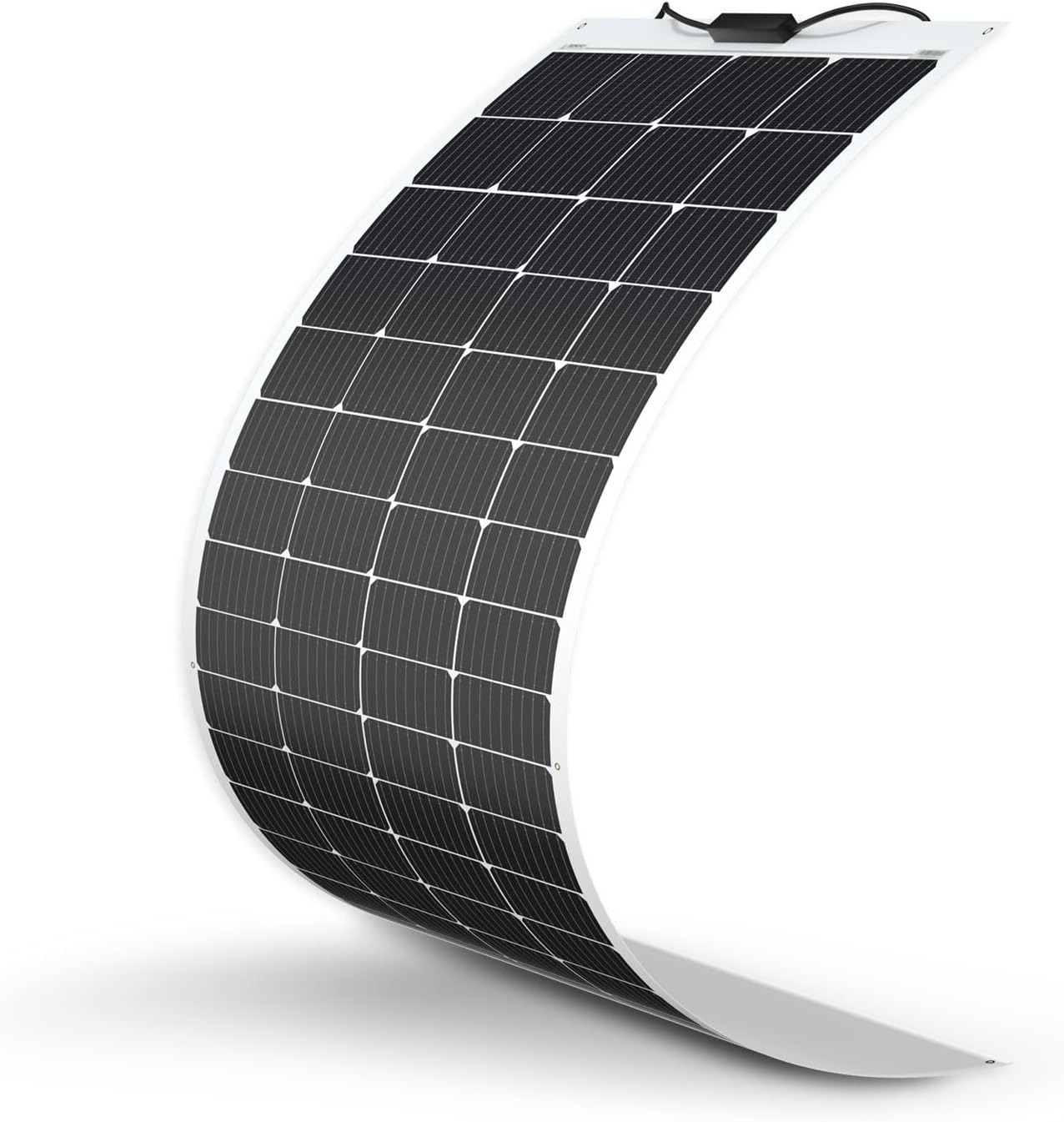
Crystalline silicon modules—especially modern monocrystalline (n‑type) panels—are the standard choice for most cabins because of efficiency and availability. Polycrystalline panels are less common today; thin‑film or flexible modules are niche options for lightweight or unusual mounting needs. Look at efficiency, durability, warranty, temperature coefficients, and compatibility with your mounting plan (roof mount or ground mount).
Batteries, inverters, and controllers
- Use usable battery capacity for sizing, not just nameplate amp‑hours. LiFePO4 (lithium iron phosphate) chemistry is widely used for off‑grid cabins today, but lead‑acid still appears in some installs.
- MPPT charge controllers maximize battery charging from PV under varying conditions.
- Inverter surge ratings matter for appliances with high startup currents.
- For larger installations or code‑required setups consider a listed BESS and a professional design.
Placement: roof mount vs. ground mount
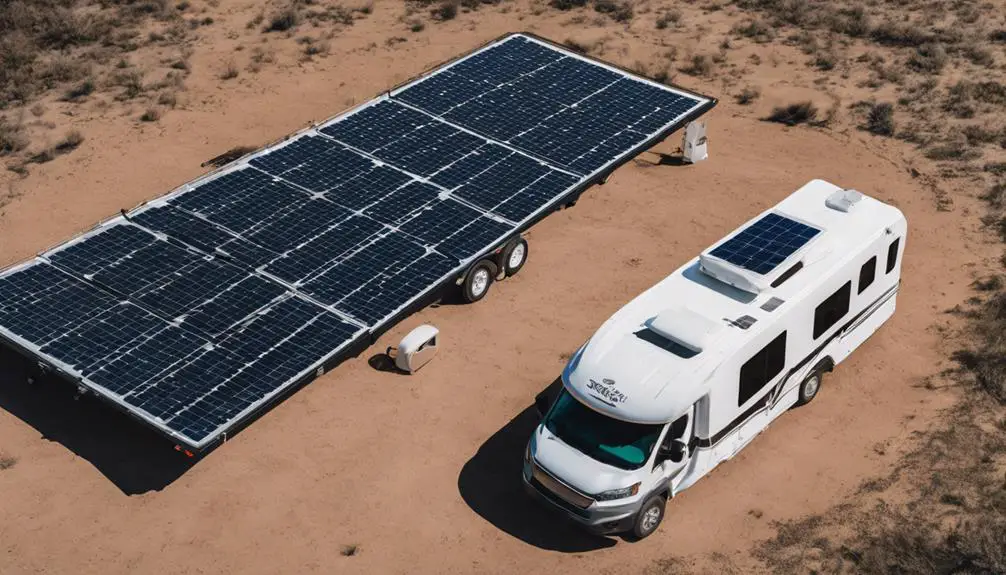
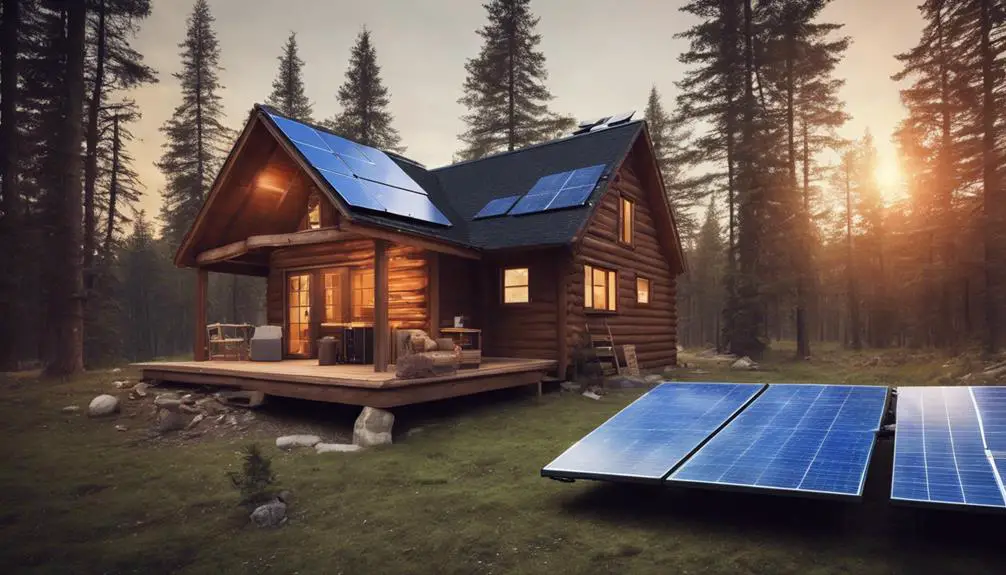
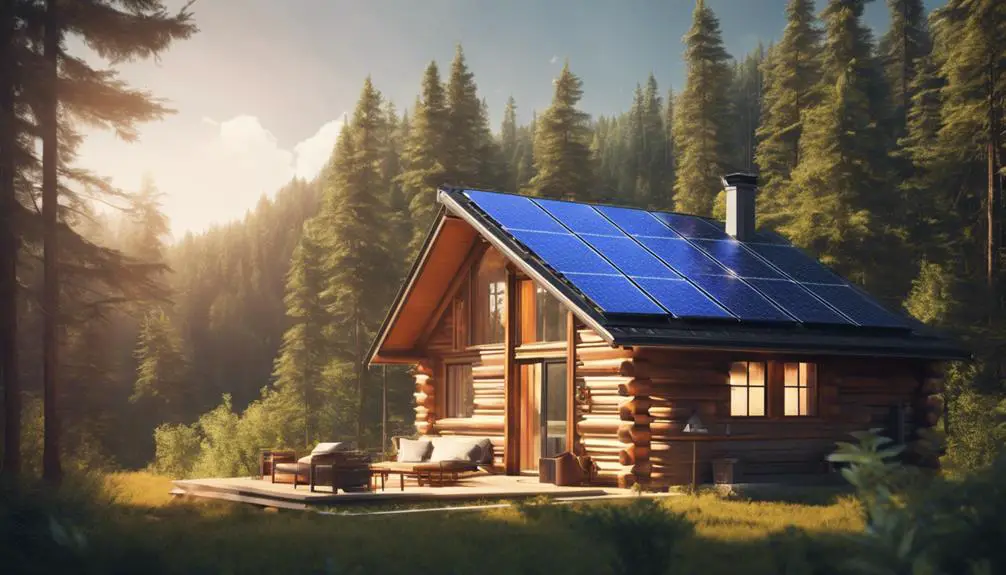
Roof mounts save ground space and are less intrusive; ground mounts offer easier orientation, snow shedding, cleaning, and expandability. Choose ground mounts when the roof is shaded, small, steep, old, or difficult to access. In snowy regions, design for winter tilt and safe snow clearing.
Permits, safety, and code
Comply with local building, fire, and electrical codes. The NEC includes provisions for PV and energy storage; many jurisdictions require permits and inspections even for off‑grid systems. Use a licensed electrician or qualified solar installer for permanent wiring, roof work, battery placement, transfer switches, and generator integration. Do not interpret this article as wiring or permitting guidance.
Maintenance and lifespan
PV systems are low‑maintenance but not maintenance‑free. Monitor production, inspect racking and wiring, trim vegetation, and clean panels only when soiling reduces output noticeably. Avoid walking on modules or scraping them with metal tools. Expect panels to perform for 25–35 years on average; inverters and batteries will often need replacement sooner. Plan for end‑of‑life recycling or disposal.
Costs and incentives
Costs vary greatly depending on remote access, battery capacity, ground‑mounting, trenching, and professional labor. Note: the federal Residential Clean Energy Credit (Section 25D) is not available for expenditures made after December 31, 2025. Check state, local, and utility incentives and consult a tax professional for current rules.
Bottom line
Solar PV can reliably power cabins when systems are sized around real loads, local solar resource, and desired autonomy. Small DIY kits may work for weekend cabins; full off‑grid systems with PV + battery storage and generator backup are best for year‑round remote homes. Always verify designs and permitting requirements with a qualified installer or licensed electrician before purchasing or installing equipment.