Thinking about installing solar photovoltaic (PV) yourself to lower your electric bill? DIY solar can reduce project labor costs and give you control over equipment selection, but whether it saves significant money depends on your location, utility rules, roof and electrical conditions, and the limits your local authority places on homeowner work. This guide outlines what DIY can mean, what tasks homeowners commonly handle, safety and permitting realities, and how to estimate savings realistically.
What “DIY solar” actually means
“DIY solar” ranges from doing the research, selecting equipment, and managing contractors, to building and installing a small off-grid kit. It does not mean bypassing permits, code requirements, or recommended safety practices. For grid-connected rooftop PV, many jurisdictions require licensed professionals for electrical connections, and utilities require documented interconnection agreements.
Choose the right system type for your goals
- Grid-tied PV: Most cost-effective for lowering bills. Exports to the grid stop during outages unless you have approved backup hardware.
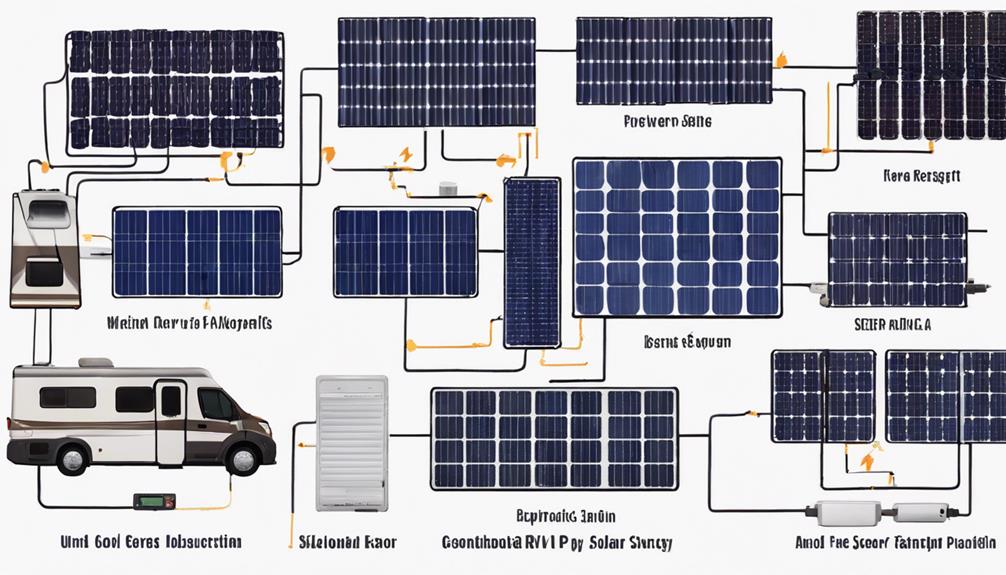
- Hybrid solar-plus-storage: Adds a home battery (BESS) for shifting daytime generation to evening or for backup. Batteries increase cost and complexity and introduce fire-code considerations.
- Off-grid systems: Require large storage and backup planning; they are usually more expensive and are not necessary just to reduce bills.
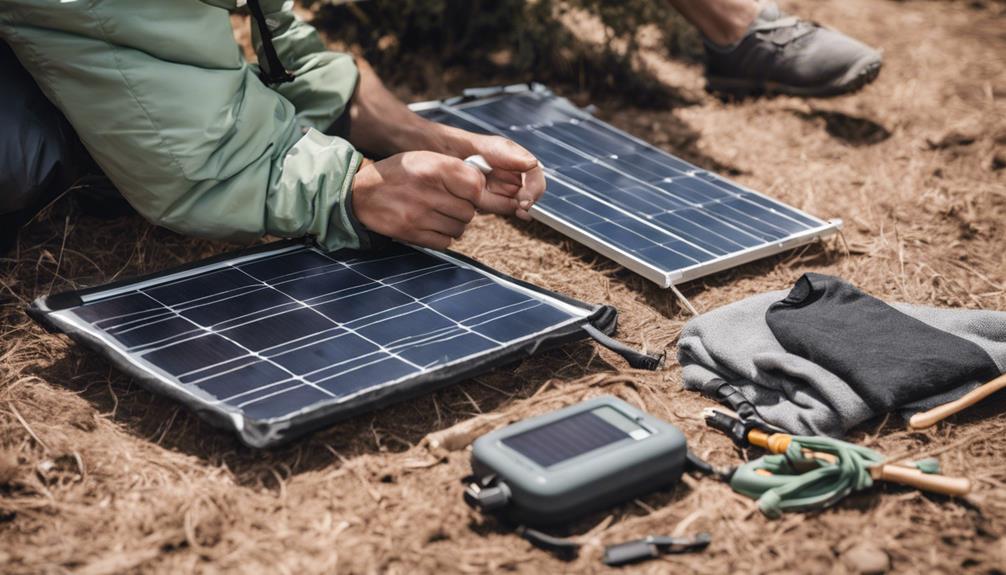
- Portable/plug-in solar: Useful for small loads or temporary use but not a substitute for whole-house PV if your goal is major bill reduction.
Is your home suitable?
- Roof condition and remaining life — replacing a roof after panels are installed adds cost.
- Orientation, tilt, and shading — partial shade can drastically reduce production.
- Available area and structural capacity for racking and wind loads.
- Electrical-service capacity — some homes need panel upgrades to host significant PV.
- Local weather and severe-event risks.
- Use a solar production estimator such as NREL’s PVWatts for an initial output estimate, then seek a site-specific assessment.
True project costs to include
Hardware is only part of the bill. Account for:
- Modules, inverters (string or microinverters), racking, wiring, and rapid-shutdown devices
- Permits, inspections, engineering, and interconnection fees
- Electric-service or roof upgrades
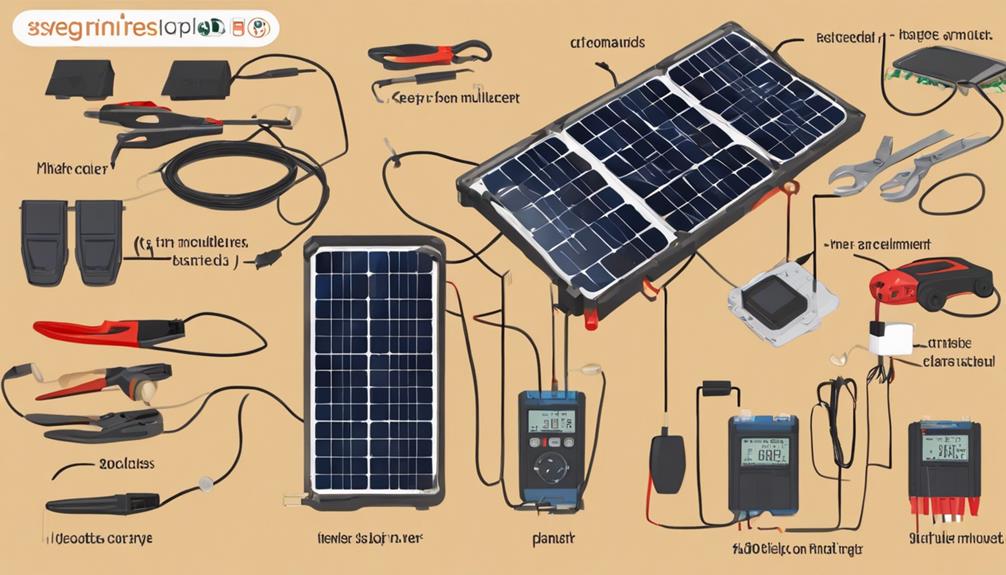
- Labor, safety equipment, and any subcontracted professional work
- Batteries, if included, plus fire-safety equipment and likely replacement costs
- Monitoring, insurance, maintenance, and reserve for inverter or battery replacement
DIY savings typically come from reduced installer labor and markup. Soft costs (permits, interconnection, inspections, and necessary professional sign-offs) still apply.
Which tasks homeowners commonly do vs. outsource
- Good for homeowner: Utility-bill analysis, researching equipment, comparing quotes, coordinating the project, basic monitoring and visual checks.
- Often requires professionals: Structural roof attachments and penetrations, service-panel connections, detailed electrical design, battery installations, and final commissioning or code sign-off.
Permits, utility approval, and safety
Check your authority having jurisdiction (AHJ), local building and electrical departments, your utility’s interconnection rules, and any homeowner association restrictions before buying equipment. Never energize a grid-connected system without utility approval and completed inspections. Rooftop work has serious fall and electrical hazards — OSHA guidance and local codes typically require fall protection and trained installers. Solar modules can produce voltage in daylight, so avoid attempting live electrical connections unless allowed and you are qualified under local law.
Estimating savings and payback conservatively
Estimate a range, not a single number. Use:
- Annual solar production estimate (PVWatts or equivalent)
- How much of that electricity you can self-consume versus export
- Export compensation method (net metering, net billing, or other export rates) — these are utility-specific
- Remaining fixed utility charges and any demand charges
- Upfront installed cost, financing costs, incentives that are actually available, annual maintenance, and likely component replacement timing
Calculate a simple payback (installed cost ÷ annual savings) as an initial screen, and consider levelized cost of energy (LCOE) for a fuller perspective. As of July 2026, the federal Residential Clean Energy Credit rules changed; do not assume a 30% federal credit automatically applies. Verify current IRS and state incentive guidance before finalizing finances.
Batteries: when they help and when they may not
Batteries provide backup and can capture excess daytime production for evening use, which matters most where time-of-use rates or low export credits make export uneconomic. But batteries add cost, require fire-code compliance, periodic maintenance, and eventual replacement. For many homeowners focused strictly on bill reduction, a grid-tied system without batteries is the most cost-effective starting point.
Maintenance and environmental notes
PV panels have no moving parts but inverters, racking, and batteries need occasional service. Expect gradual degradation (commonly ~0.5–0.75% per year) and typical panel service lives around 25–35 years, with variation. Solar electricity reduces operational emissions compared with combustion, but lifecycle manufacturing, recycling, and disposal impacts remain and should be planned for.
Final decision checklist
- Is your roof suitable and in good condition for the expected system life?
- Have you estimated annual production (PVWatts or professional model)?
- Do you understand your utility’s export compensation and interconnection process?
- Are permits, inspections, and AHJ requirements clear, and is homeowner installation legal locally?
- Have you included all hard and soft costs, financing, maintenance, and replacement reserves?
- Are incentives and tax rules verified with current IRS and local sources (as of July 2026)?
- Is a battery actually necessary for your goals?
- Do you need professional help for structural, electrical, or final commissioning work?
DIY solar can pay off for homeowners who do careful planning, verify local requirements, and know which high-risk tasks to outsource. Use conservative financial assumptions, prioritize safety and code compliance, and verify incentives and utility rules before investing.