Start with the bill: understand kWh and your rate
Before buying equipment, open your last 12 months of electric bills and compare both the monthly kWh used and the dollar amount. Utilities bill energy in kWh and may add fixed charges, delivery fees, taxes, time-of-use (TOU) pricing, or other components—so a high dollar bill can mean high usage, a high local rate, or both. Nationally, the EIA reported a 2025 average residential price around 17.30 cents per kWh and forecasted roughly 18.2 cents per kWh for 2026; your local rate may be very different.
Quick, low-cost changes you can do now
- Adjust thermostat schedules: Turning your thermostat back (or up in summer) for 7–10°F for about eight hours a day can often save roughly 10% on heating and cooling—results vary by climate and equipment. For homes with heat pumps, avoid aggressive setbacks that trigger expensive resistance heat; follow the manufacturer or an HVAC pro.
- Use shades and fans strategically: Close blinds on hot afternoons; open them on sunny winter days for free solar gain. Ceiling or box fans let you feel comfortable at higher thermostat settings.
- Switch frequently used bulbs to LEDs: ENERGY STAR LEDs use far less energy and last much longer. Replacing the five most-used fixtures or bulbs can save about $40 a year in many homes.
- Unplug or power off electronics: Use smart power strips or unplug chargers and entertainment gear when not in use to avoid standby draw.
- Run flexible loads off-peak: If your utility offers TOU rates, run laundry, dishwashers, and EV charging during cheaper periods.
- Check cheap maintenance items: Change HVAC filters per the manufacturer, sweep lint from dryer vents, and repair obvious water leaks.
Focus on the biggest energy users
Heating, cooling, and water heating typically account for the largest shares of home energy use. Target these before smaller appliances.
- Heating and cooling: Seal obvious drafts with caulk and weatherstripping, clean or replace filters, and consider a smart thermostat if you’re away during the day. Smart thermostats average more than an 8% reduction in heating and cooling costs in many studies—actual savings depend on household patterns.
- Water heating: Lower the tank temperature slightly, insulate accessible hot-water pipes where safe, fix drips, and consider a heat-pump water heater if a replacement is already planned.
- Refrigeration and laundry: Replace worn refrigerator door seals, keep coils clean, and run full loads at lower temperatures or eco settings when feasible.
Seal and insulate before replacing windows
Start with a simple home energy assessment to identify cost-effective fixes. Air sealing (caulking, weatherstripping) and attic insulation are relatively inexpensive and often produce quick returns. Typical duct systems can lose about 20%–30% of moving air to leaks—sealing ducts can improve comfort and equipment efficiency. Window replacement may make sense in some homes, but consider sealing and insulation first; window upgrades can reduce energy use but are often a later, larger investment.
When to upgrade equipment
- Appliances: Base replacements on the appliance’s remaining life, purchase cost, expected energy savings, and any available rebates. ENERGY STAR models are usually more efficient but weigh upfront cost and rebates.
- HVAC: If your system is old or inefficient, a high-efficiency heat pump can cut electric heating in many climates—get professional sizing and estimates.
- Smart thermostats: They can help but remember heat-pump systems may need specific settings to avoid backup heat; consult an HVAC pro for guidance.
Consider solar only after you reduce waste
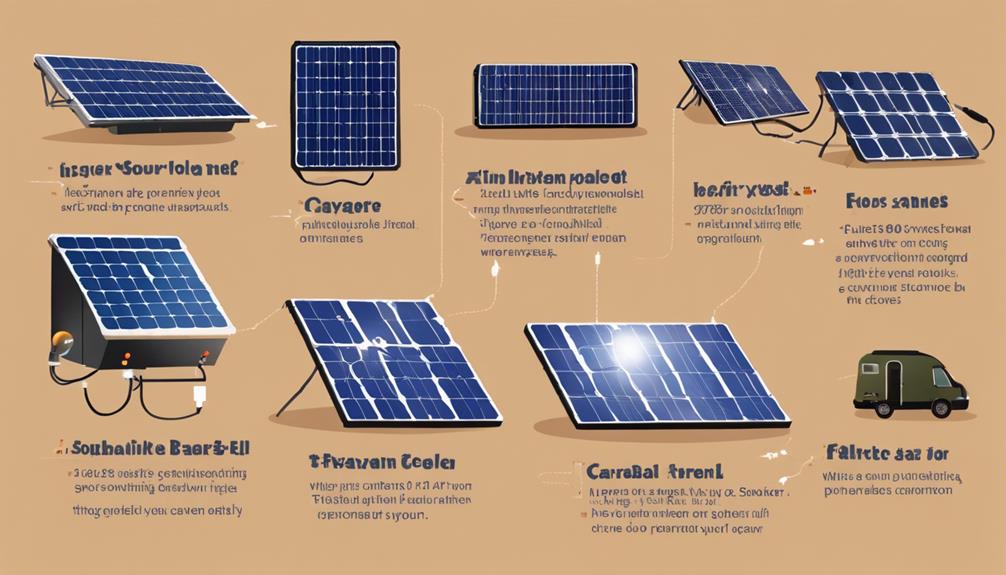
Solar PV can reduce grid electricity use, but its value depends on your roof, shading, local sunlight, system size, financing, and how your utility credits exported power. Batteries are optional—useful for shifting solar generation or backup, but they add cost and complexity. Net-metering and export compensation vary widely by state and utility; don’t assume surplus power will be bought at the full retail rate. Note: the federal Residential Clean Energy Credit applied to qualifying installations placed in service through December 31, 2025; incentives and rules change, so verify current offers before deciding.
Check current incentives and get help
Federal, state, utility, and income-qualified programs may offer rebates or assistance for insulation, HVAC, appliances, and lighting. Program availability and eligibility vary—check your utility and state energy office or official program portals. Some states and utilities also offer free or discounted home energy audits.
Safety and professional help
Be cautious with electrical work, attic insulation near recessed lights, combustion appliances, refrigerant-containing systems, and battery installations. For major HVAC, electrical-panel, roof, insulation, or solar work, get written quotes and consider professional evaluations.
Simple action checklist
- Review the last 12 months of kWh usage and your rate plan.
- Ask your utility about audits, TOU rates, rebates, and demand-response programs.
- Seal obvious air leaks (caulk, weatherstrip) and add attic insulation if needed.
- Lower or raise thermostat on a schedule; use fans and shades.
- Replace frequently used bulbs with LEDs and clean HVAC filters.
- Schedule major upgrades (new HVAC, windows, solar) only after audits and multiple quotes; homeowners only for roof or solar work.
Small actions often pay off fastest. Use inexpensive fixes and a diagnostic audit to prioritize larger investments so your money goes toward changes that will actually reduce your electric bills in your location.