Solar panels—more precisely, a residential solar photovoltaic (PV) system—convert sunlight to electricity for use in your home or for export to the grid. Whether rooftop solar makes sense for you depends on your roof, local sunlight, utility rules, financing choices, and your household’s goals. This guide explains how systems work, what affects costs and savings, options for batteries and ownership, permitting and interconnection, and the practical questions to ask before you sign a contract.
How home solar panels work
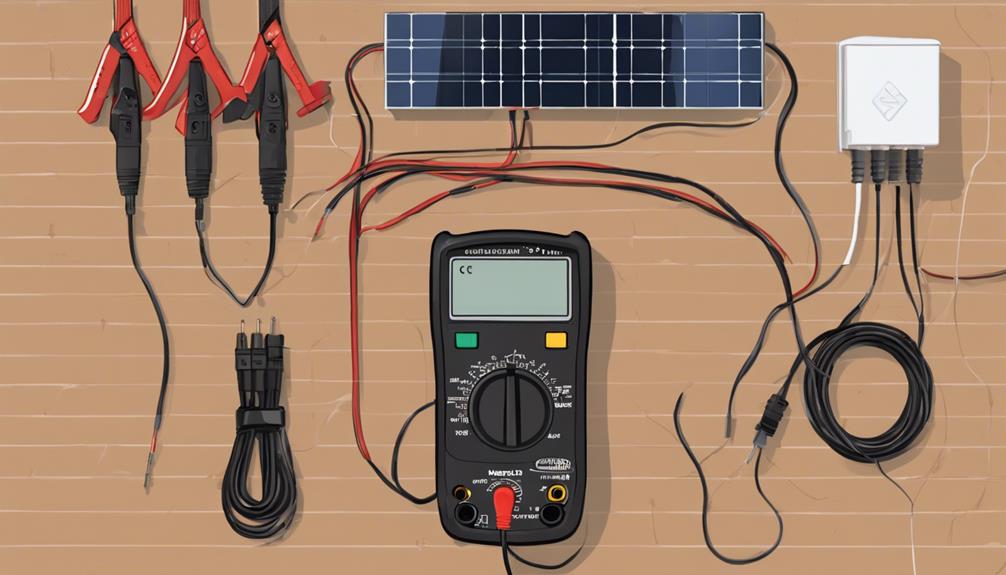
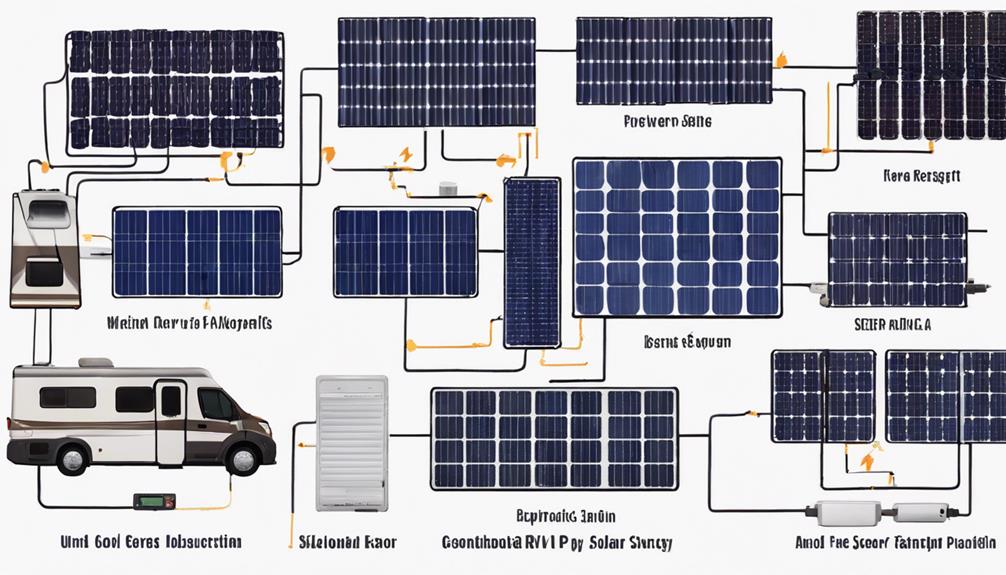
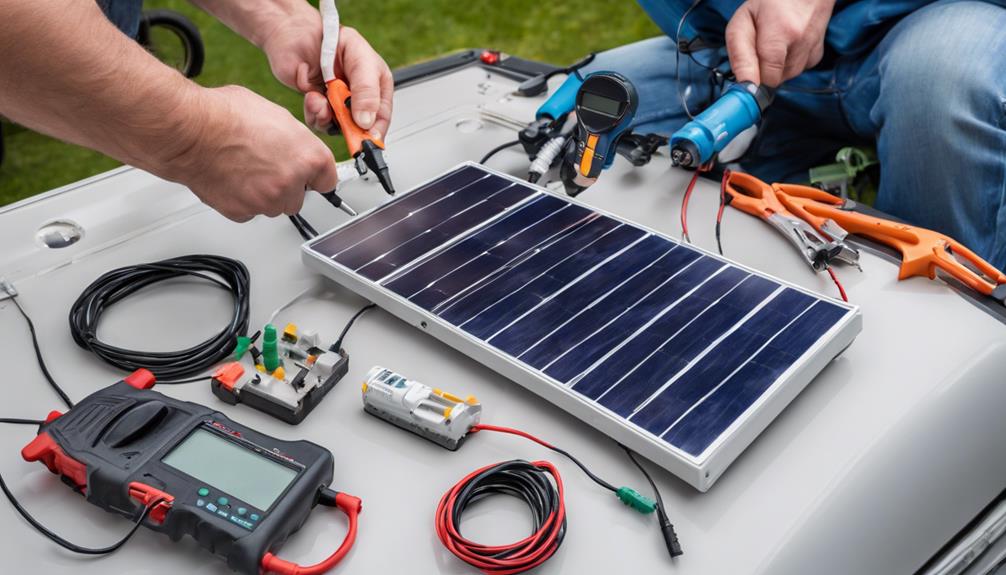
A complete residential PV system includes PV modules (the panels), racking, an inverter (or microinverters), wiring and disconnects, monitoring, and the utility meter/interconnection equipment. PV cells produce direct current (DC); the inverter converts DC to the alternating current (AC) used by appliances and the grid. A typical grid-tied system supplies your loads first, exports surplus to the grid, and draws from the grid when solar isn’t producing. Optional battery storage can store excess generation for later use or for backup when designed for that purpose.
Is your home suitable for solar?
- Roof condition and age: If your roof needs replacement in the next several years, replace it before installing panels or plan for removal/reinstallation costs.
- Orientation and usable area: South-facing slopes are often best in the U.S., but east/west arrays can work; available unshaded area matters more than a single ideal orientation.
- Shade: Trees, chimneys, and neighboring buildings can significantly reduce production; shading patterns through the year should be evaluated.
- Structural capacity and local code: Roof framing, local wind or snow loads, and permit rules influence design and cost.
- Household electric needs: Current usage, plus planned electrification (EVs, heat pumps), affects the optimal system size.
What affects solar production and savings?
Key drivers are local sunlight, system size, panel and inverter technology, shading, and your household’s timing of electricity use. Financially important factors include your utility’s electricity rates, how exported power is credited (net metering, net billing, or other export-compensation rules), fixed monthly utility charges, available incentives, and financing costs.
Do not expect the same savings everywhere. A simple payback framework is useful:
Estimated payback period = net installed cost ÷ expected annual bill savings
Calculate scenarios that include degradation, potential inverter replacement, financing interest, export-credit rules, and any battery costs.
Solar panels vs. solar-plus-storage (batteries)
Batteries let you use more self-generated energy after sunset, reduce grid purchases during high-price periods, and—if the system is configured for it—provide backup during outages. Most standard grid-tied solar systems shut down during a grid outage for safety; providing outage power requires appropriately configured storage, transfer equipment, and sometimes a critical-load panel or whole-home transfer switch. Batteries add cost and maintenance considerations; decide based on outage risk, resilience goals, and time-of-use rates.
Cost categories and what to compare
Installed cost includes equipment (panels, inverters, racking, battery if included), labor, permits and inspections, electrical upgrades or service changes, roof work, and any design or interconnection fees. Financing adds interest and fees. When comparing proposals, review:
- Total installed price and what it covers
- Projected annual production and assumptions
- Export compensation and applicable utility rules
- Warranties (product, performance, inverter, workmanship)
- Service, maintenance, and removal terms
Ownership and payment options
- Cash purchase: Highest upfront cost, full ownership, and eligibility for applicable incentives; lowest lifetime cost if financed inefficiently is avoided.
- Solar loan: Spreads payments; compare interest, fees, and total repayment.
- Lease or PPA: Third-party owns equipment; you pay fixed or per-kWh charges. Carefully review escalation clauses, transfer rules when selling the home, and performance guarantees.
Watch for hidden markups, exaggerated savings claims, and contract provisions that affect resale or early termination.
Permits, interconnection, and utility rules
Expect building and electrical permits, plan review, inspections, and a utility interconnection application. Utilities set export-credit rules and permission-to-operate requirements. These processes and fees vary by jurisdiction—check with your local building department and utility and confirm what the installer will handle.
Choosing an installer and consumer protections
Get multiple written proposals. Look for licensing and insurance, manufacturer and installer warranties, monitoring options, references, and a clear explanation of production assumptions. Certifications such as NABCEP are one useful signal but not the only measure of competence. Verify complaint history and read contracts carefully.
Lifespan, maintenance, and end-of-life
Panels often produce for 25+ years with gradual degradation. Inverters and batteries may need replacement earlier. Monitor system performance, follow warranty steps for failures, and plan for eventual removal or recycling. Recycling availability and rules vary by state; contact the manufacturer, installer, or local environmental agency when panels reach end-of-life.
Home solar decision checklist
- Will the roof need replacement soon?
- What is my annual and time-of-day electricity use?
- What export-credit and interconnection rules does my utility apply?
- Do I want outage backup or just bill savings?
- What is the total installed price, and what does financing add?
- Who owns the equipment and what happens on a home sale?
- What warranties and service commitments are included?
Conclusion and important verification
Solar panels can be a good fit for many homes, but outcomes vary widely. Compare multiple proposals, model financial scenarios for your property, and prioritize clear contracts and qualified installation. Be mindful that environmental benefits come with manufacturing, transport, and end-of-life impacts that should be managed responsibly.
Verify before signing: As of August 15, 2026, the IRS states that the Residential Clean Energy Credit applied to eligible property installed from 2022 through December 31, 2025, and is not available for property placed in service after December 31, 2025. Confirm current federal, state, utility incentives, interconnection rules, permit requirements, and contract terms with your installer, utility, and local authorities before you commit.