Introduction: what “going solar” really means
When homeowners talk about “going solar,” they usually mean installing a residential solar photovoltaic (PV) system on a roof or nearby structure so sunlight is converted into electricity for the home. Whether solar is a practical choice depends on site conditions, household electricity use, utility rules, and your goals—reducing grid purchases, using cleaner electricity, or improving resilience when paired with storage.
How a home solar PV system works
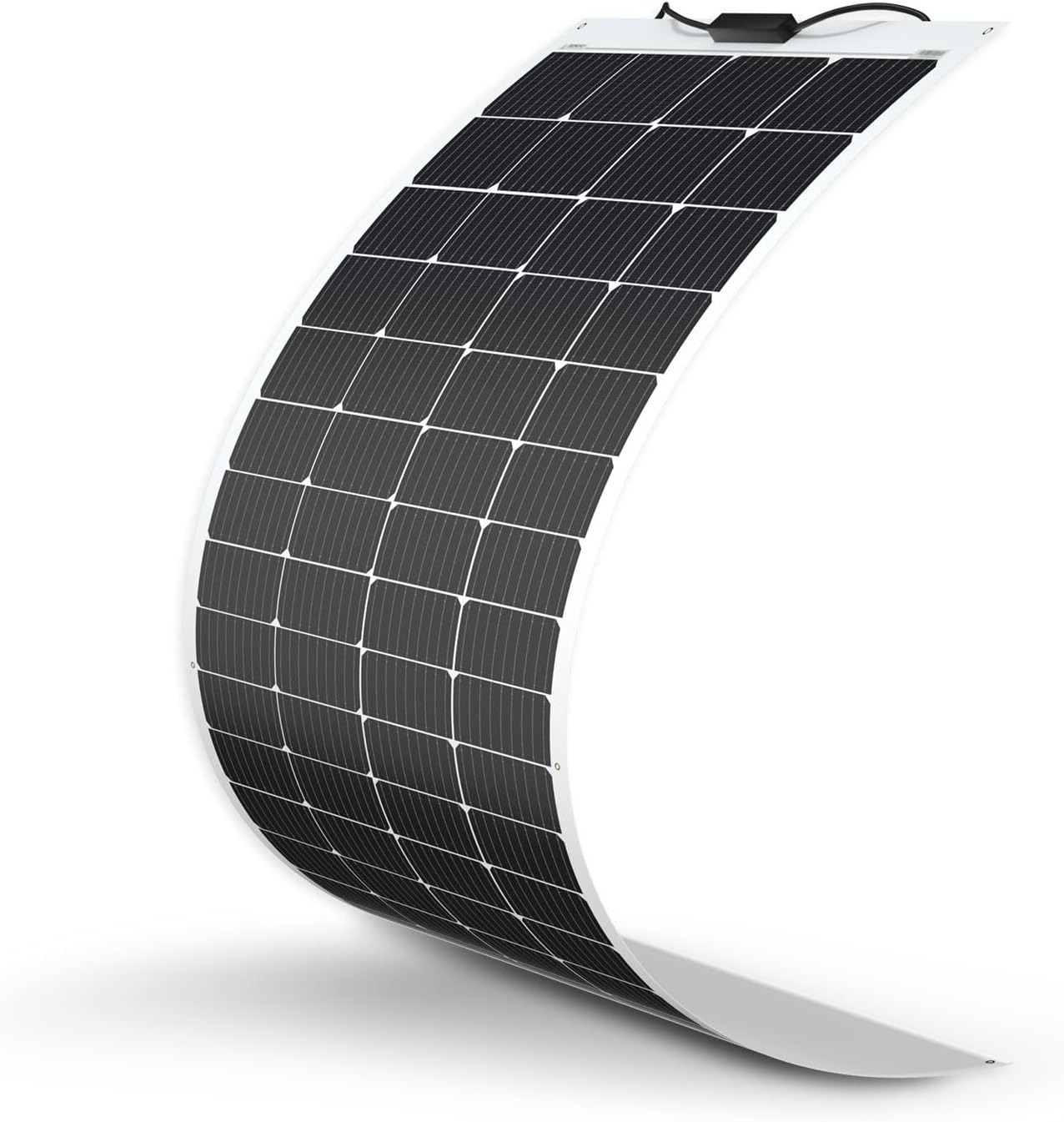
PV cells inside solar modules absorb sunlight and produce direct-current (DC) electricity. An inverter converts DC into alternating-current (AC) power that your home uses. That electricity can power loads immediately, charge a battery if you have one, or be exported to the grid. Multiple modules installed together form an array; a complete system also includes racking, wiring, disconnects, monitoring equipment, permits, and often one or more inverters.
Potential benefits
- Reduced purchases from your utility when the system produces electricity.
- On-site renewable electricity generation that can lower the household’s carbon intensity compared with some grid power sources.
- Protection from future electricity price increases to the extent your on-site generation offsets grid consumption.
- Improved resilience when the PV system is paired with battery storage and a properly configured backup inverter.
These benefits are site- and policy-dependent; they are not guaranteed.
Limitations and trade‑offs
- Upfront cost or multi-year contract obligations; leasing/PPA models differ from owning with a loan or cash purchase.
- Roof condition, age, orientation, and shading affect what you can install and how much energy you’ll get.
- Production varies by season, weather, and panel orientation—panels don’t produce constant power all day.
- Most grid-tied systems will shut down in a utility outage for safety unless the system includes battery storage and is designed to provide backup.
- Export compensation, net metering, interconnection rules, and fixed utility charges can materially affect bill outcomes and payback timing.
Is your home a good candidate?
Key site factors to evaluate:
- Roof age and condition—if a roof needs replacement soon, do that before installing panels.
- Shade from trees or nearby buildings—shading reduces energy yield and may require different module layouts or microinverters/optimizers.
- Available unshaded area and roof orientation—south-facing slopes often perform best in the U.S., but east/west can work depending on goals.
- Electrical-panel capacity and whether upgrades are required for a safe interconnection.
- Household electricity use patterns—higher daytime usage often improves on-site self-consumption; otherwise exported energy depends on utility rules.
- How long you plan to stay in the home—ownership and financing choices affect transferability and resale considerations.
Solar panels, batteries, or both?
A grid-tied solar PV system without storage reduces grid purchases when panels are producing but typically cannot power the home during an outage. Solar-plus-storage pairs battery storage with PV and a backup-capable inverter to store surplus energy and supply selected circuits during outages. Batteries add cost and maintenance considerations but offer resilience and time-shifting benefits. Decide what matters more: cost reduction, environmental benefit, or backup capability.
Choosing an installer and evaluating equipment
- Obtain multiple written bids that list system size (kW), expected annual energy yield (kWh), major equipment (modules, inverter, battery), warranties, timeline, permits, and total installed price.
- Verify contractor licensing, insurance, and certifications—industry-recognized credentials such as NABCEP are a helpful signal, though licensing and requirements vary by state.
- Ask about product, performance, and workmanship warranties, expected inverter lifetime, and who will service the system if problems arise or if the installer goes out of business.
- Confirm who handles permitting and interconnection paperwork with the utility and whether any electrical-panel upgrades are included.
Payment and ownership options
Typical options include:
- Cash purchase—highest up-front cost, full ownership of incentives where eligible.
- Solar loan—ownership with financed payments; incentives (if available) generally go to the owner.
- Lease or power purchase agreement (PPA)—a third party owns the equipment; monthly payments or per-kWh charges apply and incentives typically go to the owner (not the homeowner).
Ownership affects who receives incentives, who maintains the system, and what happens at sale or refinance.
Incentives, net metering, and taxes
Incentives and net-metering rules are location-specific and change frequently. As of July 26, 2026, IRS guidance states the Residential Clean Energy Credit is not available for qualifying property placed in service after December 31, 2025; check current IRS guidance or consult a tax professional for your situation. Also confirm utility export compensation, state programs, and local incentives with program administrators or an up-to-date incentives database.
Questions to ask before signing
- Who will own the system? What exactly is included in the price and what will cost extra?
- What assumptions underlie the production estimate (panel orientation, shading, degradation)? What is the expected yearly kWh?
- What warranties cover panels, inverter(s), battery, and workmanship? How long and who services them?
- Will my electrical panel need upgrades? Who pays for that work?
- How does the contract handle cancellation, transfer on sale, or installer closure?
- Is backup power included and which circuits will it support during an outage?
Conclusion
Residential solar PV can reduce grid electricity purchases and supply cleaner on-site electricity, but it isn’t a one-size-fits-all solution. Site conditions, utility rules, equipment choices, warranties, financing, and installer reliability all matter. Get multiple written quotes, verify credentials and warranties, and consult local permitting and utility rules before committing. For backup power or greater resilience, plan for properly specified battery storage and backup-capable equipment rather than expecting panels alone to supply power during outages.