As homeowners look to increase energy independence and reduce electricity bills, a 48V lithium ion battery 200Ah has become a popular choice for residential solar storage. Combining a practical voltage for off-grid and hybrid inverter compatibility with a substantial 9.6 kilowatt hour nominal capacity, this battery size fits many whole-home and backup power scenarios. This article explains how a 48V 200Ah lithium battery works in a home solar system, practical installation considerations, safety and maintenance tips, and how to evaluate cost and return on investment.
What a 48V lithium ion battery 200Ah actually provides
A 48V 200Ah battery delivers 48 volts times 200 amp hours, equal to 9.6 kilowatt hours (kWh) of nominal energy. Usable energy depends on the battery chemistry and recommended depth of discharge (DoD). For example, LiFePO4 lithium iron phosphate chemistry typically supports 80 to 90 percent DoD, which yields roughly 7.7 to 8.6 kWh usable per cycle. Other lithium ion chemistries may recommend more conservative DoD limits. The battery management system controls charging, cell balancing, and safety, so the real-world usable energy and power output are shaped by the BMS settings and the inverter or charger you pair it with.
Why a 48v 200ah lithium battery is a good fit for home solar
Many residential solar inverters and hybrid systems natively support a 48 volt battery bank, which simplifies wiring and reduces the need for additional DC-DC conversion. A 200Ah capacity offers a middle ground between small starter batteries and large commercial banks: it can power essential household loads through the night, provide reliable backup for power outages, and store midday solar generation to increase self-consumption. For a typical energy-efficient home, a single 48V 200Ah unit can cover several hours of critical loads such as refrigeration, lighting, internet, and selected circuits, or it can be paralleled with additional units for whole-house backup.
Sizing, inverter compatibility, and practical installation considerations
Choosing the right battery goes beyond raw capacity. Check inverter compatibility for nominal voltage, maximum charge and discharge current, and communication protocols such as CAN bus or RS485. Continuous discharge rates determine how much power the battery can deliver at once; many 48V 200Ah units can supply several kilowatts continuously, but exact figures vary by model. If you plan to run high-demand appliances like air conditioning or electric vehicle chargers, confirm the battery and inverter can handle peak loads or consider load management strategies.
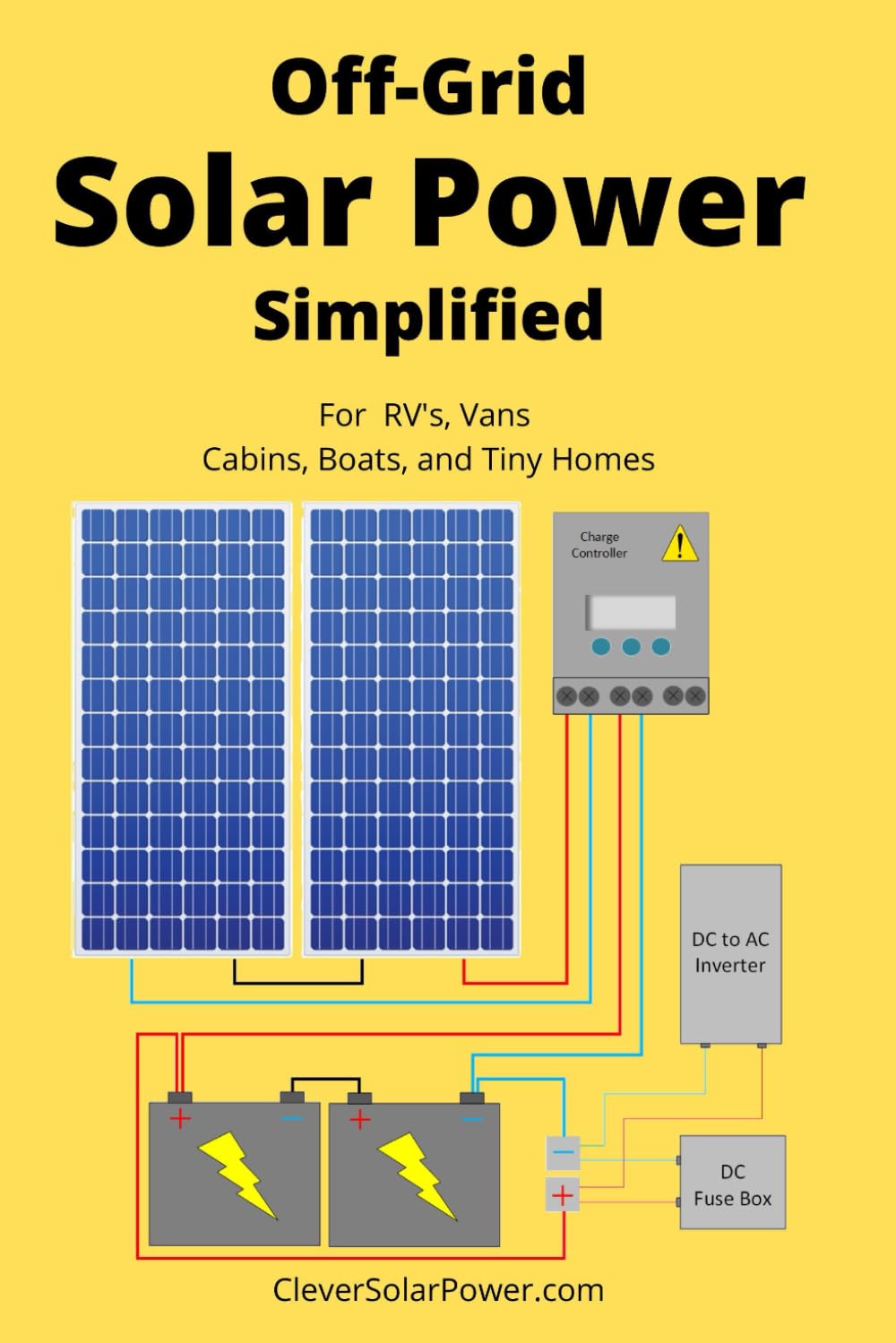
Physical installation matters too. Lithium ion batteries should be mounted in a dry, ventilated area within the temperature range specified by the manufacturer. Install a dedicated DC isolator, proper fusing, and a qualified electrician to handle DC cabling and grounding. For larger systems, batteries of the same make and age should be paralleled to maintain balanced performance; mixing different chemistries or capacities can shorten life and complicate battery management.
Safety, maintenance, and expected lifecycle
Lithium ion batteries rely on an internal battery management system to prevent overcharge, over-discharge, and thermal events. Regular maintenance is minimal compared with lead acid alternatives: keep terminals clean, ensure ventilation, and monitor state of charge through the inverter or battery monitoring app. Temperature has a strong influence on performance and lifespan; prolonged exposure to high heat accelerates degradation, while charging in very cold conditions might be restricted by the BMS.
Cycle life depends on chemistry, DoD, and operating conditions. LiFePO4 options often advertise several thousand cycles at moderate DoD, translating to many years of daily cycling in real-world home solar use. Warranties typically range from five to ten years and may guarantee a minimum capacity percentage at the end of the warranty period. For safety, always follow manufacturer instructions for charging parameters, ventilation, and emergency procedures.
Cost, incentives, and return on investment for home solar battery storage
Upfront cost for a 48V lithium ion battery 200Ah varies with chemistry, brand, and included features such as integrated BMS and communication ports. When evaluating cost, calculate the effective cost per usable kilowatt hour by dividing the installed price by expected usable kWh and factoring in warranty-supported cycle life. Solar incentives, net metering policies, and time-of-use electricity rates significantly affect payback. In regions with high electricity prices or where demand charges apply, storing solar energy for self-consumption or time-shifting usage often yields the fastest return.
Beyond pure economics, non-monetary benefits like reliable backup power, reduced carbon footprint, and improved grid resilience are important. A 48V 200Ah lithium battery can be the core of a system that provides automatic backup during outages, supports smart home energy management, and integrates with EV charging to maximize use of rooftop solar generation.
Choosing the right 48V 200Ah system for your home
Select a battery with the right chemistry and duty cycle for your needs, verify that your inverter supports the battery’s voltage and communication protocol, and consider future expandability if you anticipate increasing storage. Ask for full specification sheets that list continuous and peak discharge rates, recommended temperatures, BMS protections, and recommended installation practices. Professional design and installation ensure safety, compliance with local codes, and optimized performance for your household load profile.
Ultimately, a 48V lithium ion battery 200Ah is a versatile building block in home solar battery storage. It balances capacity, compatibility, and scalability for homeowners seeking dependable backup and greater solar self-consumption. With proper system design and attention to installation and maintenance, this battery size can help households reduce bills, improve energy security, and move toward a cleaner energy future.